
The 86 eighty six anime themes of war and humanity aren't interested in making combat look cool. Most mecha shows want you to cheer when the giant robot swings its sword. This one wants you to feel sick when the cockpit crumples. It's a raw look at how governments manufacture disposable people to maintain comfortable lies.
The Republic of San Magnolia claims they're fighting a bloodless war. They tell their silver-haired Alba citizens that autonomous drones handle all the fighting. Zero casualties. Clean hands. No messy politics. The reality is that ethnic minorities called the Eighty-Six, stripped of their rights and citizenship, pilot those "drones" from concentration camps. They're children. They die by the thousands. And the Republic pretends they don't exist because acknowledging them would mean admitting that comfort requires sacrifice from someone deemed subhuman.
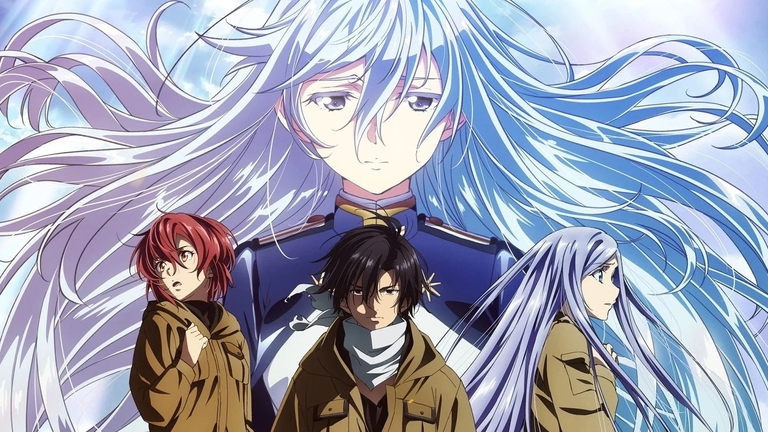
This setup isn't subtle. It doesn't need to be. The show hits you with the brutality of its world immediately and never lets up. It uses the trappings of science fiction to ask questions about drone warfare and systemic racism that most military stories avoid because the answers are too uncomfortable.
The Bloodless War Lie
Governments love to sell the idea of clean warfare. Remote drones. Surgical strikes. No boots on the ground means no flag-draped coffins coming home. 86 Eighty-Six takes this marketing pitch and shows you the blood splattered behind the green screen. The Republic's Juggernauts are spider-like mecha that look like automated killing machines from the outside. Inside, they're piloted by teenagers who have been told they're not human. The Alba majority drinks their tea and attends their parties while the Eighty-Six rot in camps, fighting an endless war against the Legion.
The propaganda claims the enemy uses autonomous drones too, but the twist is that the Legion are actually using harvested human brains as processors. Everyone is lying about who is dying and who is doing the killing. This mirrors real discussions about drone warfare and autonomous weapons. When you remove the human cost from view, war becomes palatable. The anime argues that this distance is a moral poison. It allows the Alba to maintain their illusion of ethical superiority while benefitting from genocide. One review notes how the series avoids glorifying action to focus on this systemic rot.
The Republic maintains the fiction of eighty-five sectors. The Eighty-Sixth Sector doesn't exist on paper. This legal erasure allows the military to operate concentration camps without technically breaking domestic laws. The pilots are called Processors, not soldiers. Their deaths aren't counted. Their names aren't recorded. It's paperwork genocide, tidy and efficient.
The Machinery of Racism
The discrimination in 86 isn't background noise. It's the engine that powers the entire plot. The Colorata minorities have different hair colors and features, and the Republic has decided this makes them subhuman. They call them pigs and strip them of names, replacing them with numbers like Undertaker or Gunslinger. The wiki details how the Republic refused to admit military defeats and used the Colorata as scapegoats to maintain public morale.
What's terrifying is how casual the Alba are about it. It's not just evil generals cackling in dark rooms. It's ordinary people accepting that some humans are disposable because it keeps their grocery stores stocked. The anime shows dinner parties happening while children die miles away. The system doesn't require active hatred to function. It just requires indifference and the willingness to look away.
The Juggernaut mecha themselves are designed to reinforce this hierarchy. They're ugly, functional, spider-like things. Not heroic humanoid robots. They're coffins on legs, explicitly built to be disposable just like their pilots. The design makes it clear that the Republic sees these kids as insects, not people worth armor plating or escape hatches.
Children in Coffins
The Spearhead Squadron consists of veteran child soldiers who know they're going to die. Shin, Raiden, Theo, Anju, and Kurena aren't chosen because they're special. They're chosen because they've survived longer than expected, and the Republic wants them dead before they can legally demand citizenship after five years of service. The military designates them a "suicide unit" and sends them on impossible missions to dispose of the evidence.
The show spends time showing these kids being kids. They cook terrible food in their makeshift camp. They tease each other about crushes and bad haircuts. They find a stray cat and argue over names before settling on something stupid. Then they climb into their mecha and die. The emotional impact comes from this contrast. You see them laughing about dumb jokes, sharing rations, and complaining about the heat, and then you see the opening credits updating to grey out their faces when they don't come back.
Daiya's death hits particularly hard. He dies saving Anju, and the show doesn't give him a heroic send-off with music swelling. He just dies messy and scared. The mecha explodes and his blood splatters across Anju's cockpit window. The war doesn't care about his crush on Anju or his kindness. It just grinds him up like everything else. Anju carries that bloodstain on her uniform for episodes afterward because she can't wash away the reality of his absence.
Even the robot Fido gets a heartbreaking flashback sequence. This scavenger bot follows the squadron around like a loyal dog, and we see through its recorded memories all the moments of warmth and friendship that the Republic wants to erase. It's a machine preserving humanity that humans tried to destroy.
Voices From the Dead
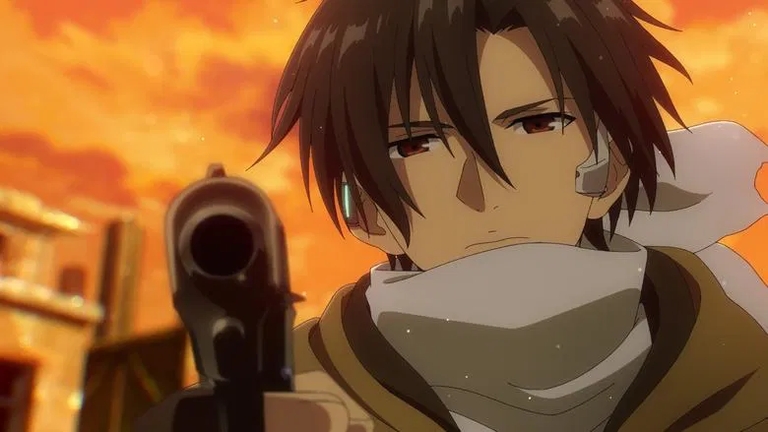
Shin Nouzen carries a weird burden. He can hear the voices of the dead trapped inside the Legion's processors. His brother Shourei is in there somewhere, screaming. This isn't a cool superpower. It's a curse that drives him toward madness and makes him seek death as relief.
The Legion uses the brains of fallen soldiers to power their drones. This means the enemy is literally made of dead friends and family. Shin has to kill his brother over and over every time a new Legion unit attacks. The psychological toll is crushing. He carries the dog tags of every comrade who dies, and by the end of the first season, he's hauling around a bag heavy with metal and guilt. He calls himself the Undertaker because he buries the dead by taking their tags and remembering their names when the Republic won't.
This supernatural element serves the theme rather than distracting from it. War doesn't end when the shooting stops. The dead haunt the living. Trauma is passed down like inheritance. Shin can't escape the battlefield because the battlefield is inside his head, broadcasting on a frequency only he can hear.
The Handler's Guilt
Vladilena Milizé starts as a naive major who thinks she can fix the system from within. She's the handler for Spearhead, meaning she communicates with them through the Para-RAID system. She hears them die in real-time while sitting safely behind walls in a comfortable chair.
The show is smart about her position. She's privileged. Safe behind the walls. Eating good food while they ration expired crap. And she knows it. The other handlers don't even learn the 86's names. They use call numbers and treat it like a video game, drinking tea while children scream for backup that never comes. Lena tries to be different, but the squadron calls her out on her performative empathy.
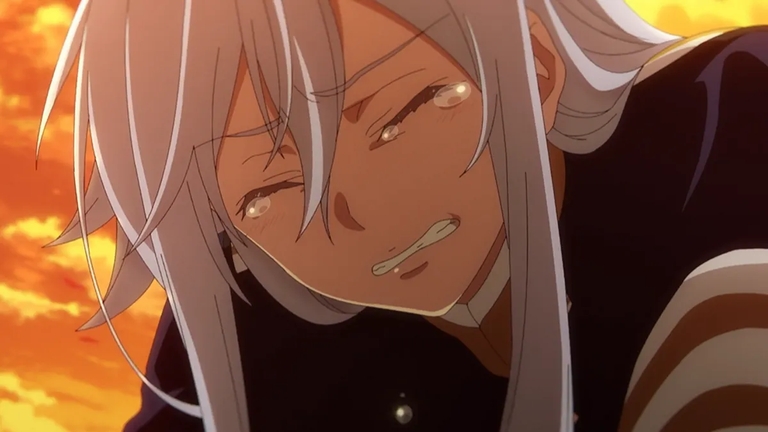
There's a scene where Theo rips into her for crying about their deaths when she's never going to face the same danger. It's brutal and necessary. The anime isn't interested in letting her be a savior figure. She has to learn that her feelings don't save lives. Only action does, and even then, she's limited by her safety. She can't stop the Republic from sending them on suicide missions. She can only choose to stay on the line and listen to them die rather than hang up.
The Para-RAID system itself is a messed up piece of tech. It creates a telepathic link between handler and pilot. This means Lena can't distance herself from their pain. She feels their fear when the Legion attacks. She hears their last breaths. The system forces the privileged to confront the humanity of the oppressed, which is why most handlers refuse to use it properly. They'd rather not know that the "drones" they're commanding are bleeding and crying.
Breaking the Cycle
The first season ends with the surviving members of Spearhead going on a suicide mission deep into Legion territory. They know it's a trap. The Republic sent them there to die quietly so they can't claim their citizenship rights. Instead, they fight their way through to freedom, breaking past the border into the Federacy of Giad.
This isn't a happy ending. They're leaving Lena behind. She's the only one who will remember they existed. The Republic will erase their records and pretend they were just drones that malfunctioned. But the 86 choose to die on their own terms rather than in the Republic's meat grinder. Shin leaves Lena his music box, a symbol of the brother he lost and the hope he barely held onto.
Lena's arc in this ending is powerful. She finally understands that she can't save them through the system. The system is designed to kill them. All she can do is bear witness. Remember their names. Carry their stories back to the people who tried to forget. She stands alone on a hill watching them drive into the unknown, and the weight of that moment crushes her but doesn't break her.
The second half of the show deals with the aftermath. The surviving 86 are "saved" by the Federacy, but they don't know how to stop fighting. War is all they know. They volunteer to go back to the front because sitting in safety feels wrong. It's a raw look at how trauma shapes identity and how you can't just drop a weapon and become normal again after years of being treated as disposable.
Why the Soundtrack Haunts You
Hiroyuki Sawano's soundtrack doesn't let you relax. The music pounds during action scenes, sure, but it's the quiet moments that hurt. The sound of wind over a battlefield. The static of a broken Para-RAID connection. The clink of dog tags against Shin's chest plate. A-1 Pictures uses the audio to keep you uncomfortable. The opening credits change as characters die. You'll notice faces greying out or disappearing entirely. It's a cheap trick but it works. You start dreading the opening because you know it means another kid is gone.
86 Eighty-Six works because it never flinches. It shows you how fascism functions through boredom and paperwork as much as violence. It shows you that war isn't about glory. It's about logistics and propaganda and convincing yourself that the people dying aren't really people.
The 86 eighty six anime themes of war and humanity stick with you because they feel relevant. In a world where drone strikes get discussed like weather reports and borders get fortified against refugees, the show asks hard questions about who gets to be human in the eyes of the state. It's not a fun watch. It's stressful and sad and sometimes you need to pause it to breathe. But it's necessary. Most war anime want to sell you model kits. This one wants you to remember the names of the dead. It succeeds.