
Everyone slept on Alderamin on the Sky when it first aired and that was a crime against good television. You had Madhouse animating a war story where the hero wins by being too lazy to die, where battles get decided by supply chains instead of screaming power-ups, and where the main character would rather read books than earn medals. This alderamin on the sky plot and review breaks down why thirteen episodes of this tactical mess still haunt fans who know it deserved better. Ikta Solork isn't your typical shonen lead. He's a womanizing slacker who hates the military, hates the war, and only fights because the bureaucracy keeps backing him into corners where his friends will die if he doesn't think his way out.
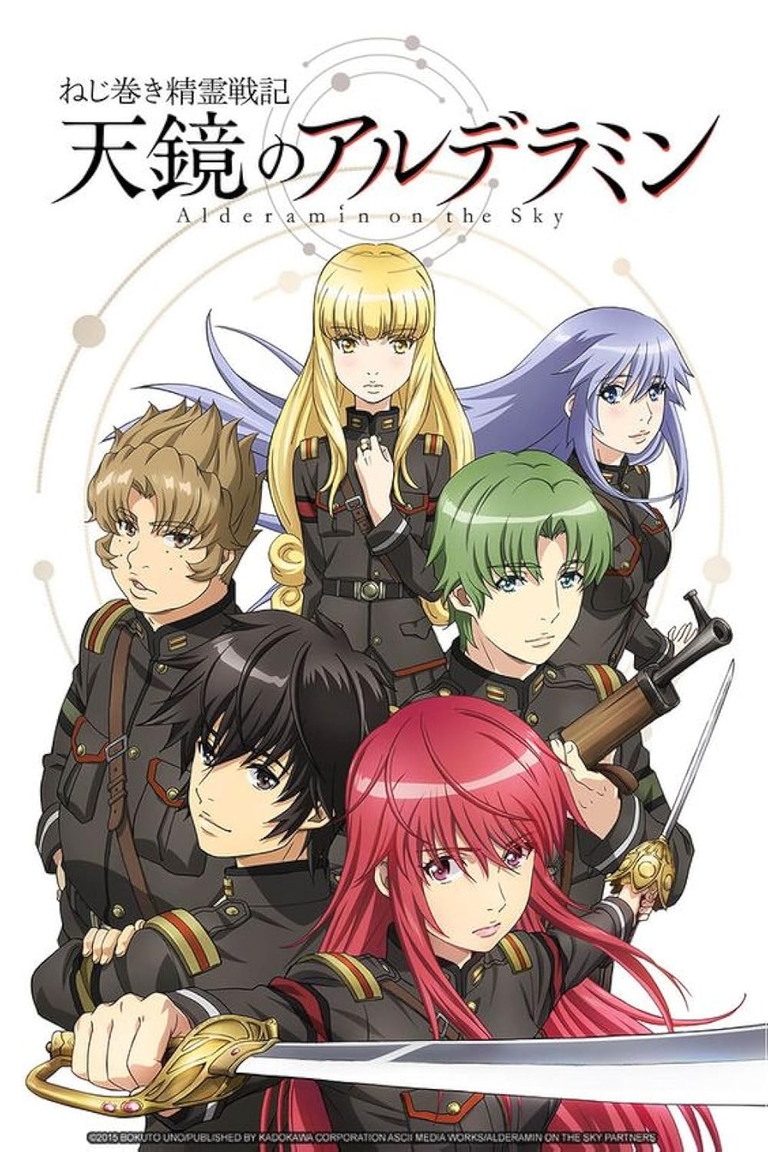
The show tricks you at first. It looks like another generic military fantasy with pretty uniforms and magic spirits. Then you realize the magic is just military equipment and the pretty uniforms are covering up rot and incompetence in the Katjvarna Empire's high command. Ikta spends most of the series exploiting loopholes, outmaneuvering idiot generals, and trying to nap while his childhood friend Yatori cuts down anyone who gets too close. It's messy, it's smart, and it ends on the kind of cliffhanger that makes you want to throw your monitor at the wall.
The Lazy Genius Who Wanted a Library Card
Ikta Solork is the main reason this show works. He's got this weird philosophy that laziness drives human progress because people invent things to avoid work. He'll spend three days planning a battle that takes ten minutes to fight just so he doesn't have to fight another one next week. The guy was supposed to be a librarian. Instead he saves Princess Chamille from drowning, gets shipped to officer school by accident, and ends up becoming the empire's greatest tactical mind through sheer spite and scientific method.
What makes him different from other smart anime leads is that he isn't a sociopath. He cares about his squad. He cries when they die. He sleeps with his boots on because he's terrified of the next morning's orders. The show doesn't let him be cool. It lets him be right, which is way more interesting. Every time he pulls off some impossible victory, it's because he paid attention to wind speed, or he noticed the enemy's supply wagons were vulnerable, or he figured out the terrain better than the guys who grew up there. No magic powers, just math and observation.
Yatori and the Blade That Covered His Back
You can't talk about this series without talking about Yatorishino Igsem. She's the sword to Ikta's brain, the childhood friend who knows exactly how dangerous he is because she watched him grow up. While Ikta calculates angles and supply drops, Yatori just cuts through the enemy like they're wet paper. She's from this old military family that values honor and loyalty above everything, which creates this weird tension because she knows the empire she's serving is corrupt and rotting from the inside out.
Their relationship is the heart of the show. They eat meals sitting back to back because that's the only way they can let their guard down completely. She keeps him from getting too cynical. He keeps her from getting killed by her own sense of duty. It's not romantic exactly, or at least not in the way anime usually handles these things. It's deeper than that. They need each other to survive the machine they're stuck inside. Some fans argue this bond carries the entire series even when the plot gets rough.
The Supporting Cast Who Actually Matter
Torway Remeon starts off as this nervous wreck of a noble who can't shoot straight when people are watching. By the end he's running the first sniper unit in the empire because Ikta figured out his weird psychological block and worked around it. Then you've got Matthew Tetdrich, this guy from a minor noble house who's constantly compensating for not being born to a famous bloodline. He complains constantly but he never quits, and watching him find his place as the group's heavy hitter hits different.
Haroma Bekker fills the medic role, tall and shy and way too nice for a war zone. She's the only one who can get Ikta to shut up when he's being insufferable, mostly because he keeps trying to flirt with her and she just stares at him until he feels bad. And Princess Chamille isn't just a damsel. She's a twelve year old political chess piece who understands court intrigue better than most of the generals, and she bonds with Ikta over their shared hatred of the empire's stupidity. According to reviews, these characters create a balanced team where everyone serves a purpose beyond filler.
A World Built on Broken Guns and Bureaucracy
The setting is this weird Civil War era tech level where they've got rifles but no gunpowder. Instead they use compressed air and magic sprites to fire metal balls. The Alderamin on the Sky plot and review wouldn't be complete without talking about how the technology shapes the tactics. Because reloading takes forever and the air rifles are finicky, battles turn into these brutal chess matches where positioning matters more than firepower. Ikta figures out early that most officers are still fighting like it's the medieval era, so he starts using guerrilla tactics, night raids, and supply interdiction while everyone else is still lining up in pretty rows to get shot.

The empire itself is a disaster. The nobles are incompetent, the generals got their jobs through political connections, and the actual soldiers are starving half the time. The show spends a lot of time on logistics, which sounds boring until you realize that's how Ikta wins. He defeats armies by stealing their food or making them march through swamps until their air rifles rust. It's war as a paperwork nightmare, and the anime captures that perfectly. Crunchyroll's analysis notes this focus on military procedure is rare in fantasy anime.
The Sprite System and Weird Magic
The magic in this show is barely magic. These little elemental spirits attach to people and mostly just help them shoot guns or start fires. Ikta treats them like tools rather than divine blessings, which pisses off the religious types in command. There's this running theme of science versus tradition, where Ikta keeps explaining basic physics to people who think the sun moves because a god pushes it. It adds this extra layer of frustration to every battle because he's not just fighting the enemy, he's fighting his own side's stupidity.
The Battles That Actually Made Sense
Most war anime have battles where the hero shouts really loud and wins. Alderamin has battles where Ikta spends twenty minutes explaining why attacking at 3 AM during a fog bank will work because the enemy's air compressors freeze up in cold weather. The tactics are solid. You can follow the logic. When someone dies, it's because they made a mistake or got outmaneuvered, not because the plot needed drama.
There's this one battle early on where Ikta's squad has to hold a position against impossible odds. He doesn't pull a miracle. He just sets the grass on fire so the smoke messes up the enemy's line of sight, then has his sharpshooter pick off officers while they're choking. It's grim, it's practical, and it shows how terrifyingly fragile military formations were before modern communications. Every victory feels earned and every defeat feels inevitable.
Training Arcs That Don't Waste Time
Even the academy sections where they're learning to be officers manage to be interesting because the exams are actual war games with real stakes. Ikta solves problems by cheating the system, using his knowledge of history to predict enemy movements while his classmates are still memorizing formations from textbooks. You learn about the world alongside the characters without sitting through lectures.
Why Madhouse Couldn't Save It From the Light Novel Grind
Madhouse did solid work on the animation. The character designs are sharp, the battlefields look appropriately muddy and miserable, and they use CGI for the armies that mostly works. You can tell where the budget ran thin in a few places, but for a thirteen episode series about war, it looks good. The sound design hits hard too. Those air rifles make this weird compressed air hiss that sounds nothing like gunpowder but still feels dangerous.
The problem isn't the production. The problem is the source material. The light novels go way beyond where the anime stops, and the anime ends right when the story gets really interesting. It adapts roughly the first five volumes and then just stops. No resolution. No second season. Just Ikta looking at the horizon while the credits roll and you're left wondering what happens next. One review calls it a large advertisement for the books rather than a complete story.
The Volume 7 Controversy
Apparently there's this whole mess in the light novels around volume 7 that caused a stir in Japan. I won't spoil it here, but it involves a major character death that happens in a way that feels like a betrayal of everything that came before. Some fans say it ruined the series. Others say it was the natural conclusion of the themes. Either way, it probably killed any chance of more anime getting made. Studios don't want to adapt controversial endings that might piss off the fanbase.
Comparisons to Better Known Shows
People always compare this to Legend of the Galactic Heroes because of the lazy genius lead who outthinks everyone. Ikta isn't Yang Wenli, though. Yang was an idealist who got tired. Ikta is a cynic who got angry. The comparison to Code Geass gets thrown around too because of the tactical genius angle, but Ikta doesn't have superpowers or giant robots. He's just got a brain and a chip on his shoulder.
The closest thing to it might be The Genius Prince's Guide to Raising a Nation Out of Debt, but that show leans into comedy while Alderamin stays grim. There's no fanservice to speak of, no beach episodes, no filler. Just war, politics, and the occasional moment of quiet where the characters remember they're supposed to be teenagers.
That Ending Still Hurts
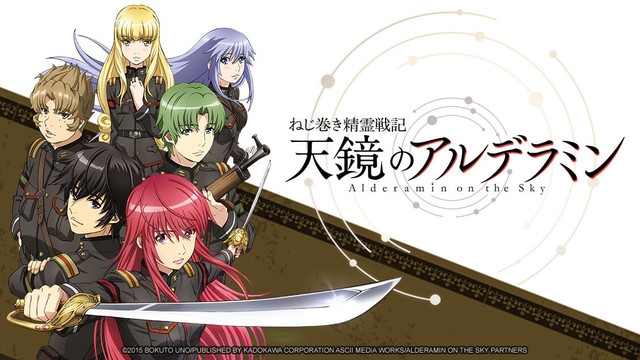
The anime ends with Ikta and Yatori still in the thick of the war, having made some progress but knowing the worst is yet to come. It's not a conclusion. It's a pause button. And because the light novel industry moves fast and anime is just expensive advertisement for books, we're never getting a conclusion. That's the tragedy of Alderamin on the Sky. It built this beautiful, tactical, heartbreaking machine and then left it running with nobody at the wheel.
You finish episode thirteen and immediately want to read the novels just to know what happens, which is exactly what the publishers wanted. But even if you don't read them, those thirteen episodes stand on their own as a complete character study of two kids who grew up too fast and learned that winning wars doesn't make you a hero, it just makes you tired. Additional analysis covers the strategic elements in more detail for those who want to dig deeper into Ikta's methods.
If you skipped Alderamin on the Sky when it aired, go back and fix that mistake. It's not a perfect show. The pacing drags in the middle, some of the side characters get shortchanged, and yeah, that ending is a slap in the face. But it's got something most anime don't. It respects your intelligence. It shows you a war story where brains matter more than heart, where logistics beat valor, and where the guy who just wants to take a nap might be the only sane person in the room.
This alderamin on the sky plot and review barely scratches the surface of what makes this series special. The way it blends military procedural with fantasy elements, the way it handles the Ikta and Yatori partnership, the way it makes you feel the weight of every order given. It's a solid watch that deserved a complete adaptation. Until someone greenlights season two, we're stuck with thirteen episodes of brilliance followed by silence. Watch it anyway. Just be ready to get mad when you run out of content.