
Alderamin on the Sky isn't your typical shonen war story where screaming makes you stronger. It's messy, incomplete, and honestly kind of annoying that it ends on a cliffhanger. But if you're looking for a military anime where the protagonist wins by being prepared rather than being the chosen one, this is it.
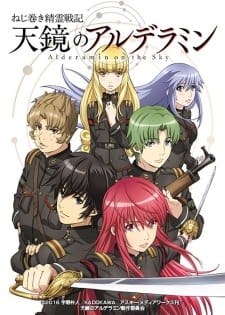
The show follows Ikta Solork, a guy who'd rather nap in a library than fight a war. Too bad he's stuck in the Katjvarna Empire during a brutal conflict with the Kioka Republic. Ikta doesn't have magic powers or super strength. He's just really good at thinking ahead while everyone else is charging in with swords drawn.
I saw some data that said people compare this to Code Geass but without the mechs and magic eye powers. That's half right. Ikta is smart like Lelouch, but he's lazy, horny in a cringe way sometimes, and completely aware that most of his superiors are idiots who'll get their men killed.
The strategy in this show isn't about flashy gambits. It's about logistics, terrain, and knowing that half your army is going to die from altitude sickness before they even see the enemy. That's what makes the Alderamin on the Sky plot and strategy feel different from other war anime.
How the War Actually Works
The Katjvarna Empire is falling apart from the inside. Corrupt nobles hand out promotions based on family names instead of skill. The military runs on tradition and honor rather than common sense. Meanwhile, the Kioka Republic is more advanced scientifically, which puts Ikta's side at a massive disadvantage.
Ikta survives by exploiting the system's loopholes. He knows the rulebook better than the commanders writing the orders. When he's ordered to take an impossible position, he doesn't charge in like a hero. He finds the supply line weakness, the weather patterns, or the political pressure point that makes the enemy back down without a fight.
The empire's leadership is so bad they use something called the Uriah Gambit. They send soldiers on suicide missions just to get rid of competent officers who might threaten the aristocracy. It's not just incompetence. It's active malice. The high command would rather lose a battle than admit a commoner is smarter than them.
The technology is weird too. They use air rifles powered by elemental spirits instead of gunpowder. Soldiers partner with sprites that help them shoot compressed air bullets. It looks like Civil War era tactics with fantasy paint slapped on top. But the show treats these weapons realistically. Reload times matter. Ammo runs out. Guns jam in the snow.
Ikta and Yatori's Weird Partnership
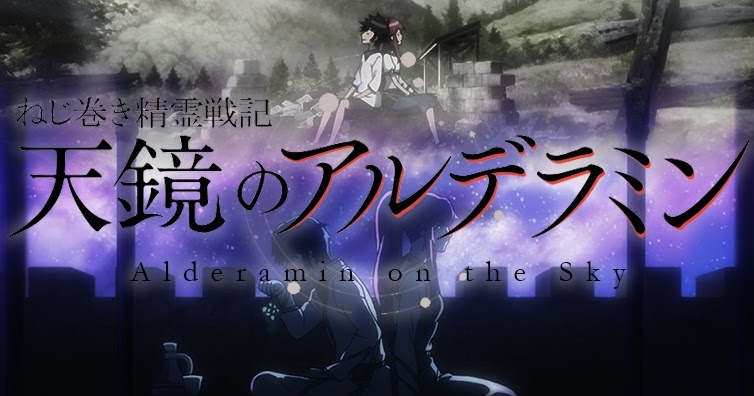
You can't talk strategy without talking about Yatorishino Igsem. She's Ikta's childhood friend, his bodyguard, and basically his right hand. While Ikta sits back calculating supply routes, Yatori is cutting through enemy lines with two swords.
Their relationship is the heart of the show. They eat meals sitting back to back so they can watch for threats. It's this ritual they developed as kids that shows how much they trust each other completely. She's the muscle to his brain, but she's not stupid. She just believes in honor and duty while Ikta believes in results.
This buddy cop dynamic works because they're opposites who need each other. Ikta would get killed in five minutes without Yatori watching his back. Yatori would get led into a slaughter by incompetent commanders without Ikta scheming for her safety.
Yatori comes from the Igsem family, which has served the imperial house for generations. Her entire identity is wrapped up in being a perfect soldier. Ikta hates the military. He wants to desert. But he stays because he knows if he leaves, Yatori will die following some idiot's orders. That's the emotional anchor that keeps him climbing the ranks.
Why Ikta Is Different From Other Smart Protagonists
Most anime geniuses are insufferable know-it-alls who explain their plans for twenty minutes. Ikta keeps his mouth shut until the last second. He acts lazy and sleeps during meetings because he's already figured out the solution while everyone else was posturing.
His whole philosophy is that laziness drives innovation. If you hate doing work, you'll find the easiest way to get results. That means building trenches before the battle instead of charging. That means poisoning water supplies instead of fighting fair. The show doesn't shy away from showing that war is dirty, and Ikta is willing to get his hands dirty to save his friends.
But he's not a sociopath. He hates every second of it. He wants to be a librarian. That tension between his desire for peace and his talent for violence makes the strategy hit harder. When he wins, it's not triumphant. It's exhausting.
There's a scene where he cuts off his own finger to make a point during a strategy meeting. That's how far he'll go to win. He uses self harm as a psychological weapon against his own allies when they won't listen to reason.
The Training Arc That Actually Matters
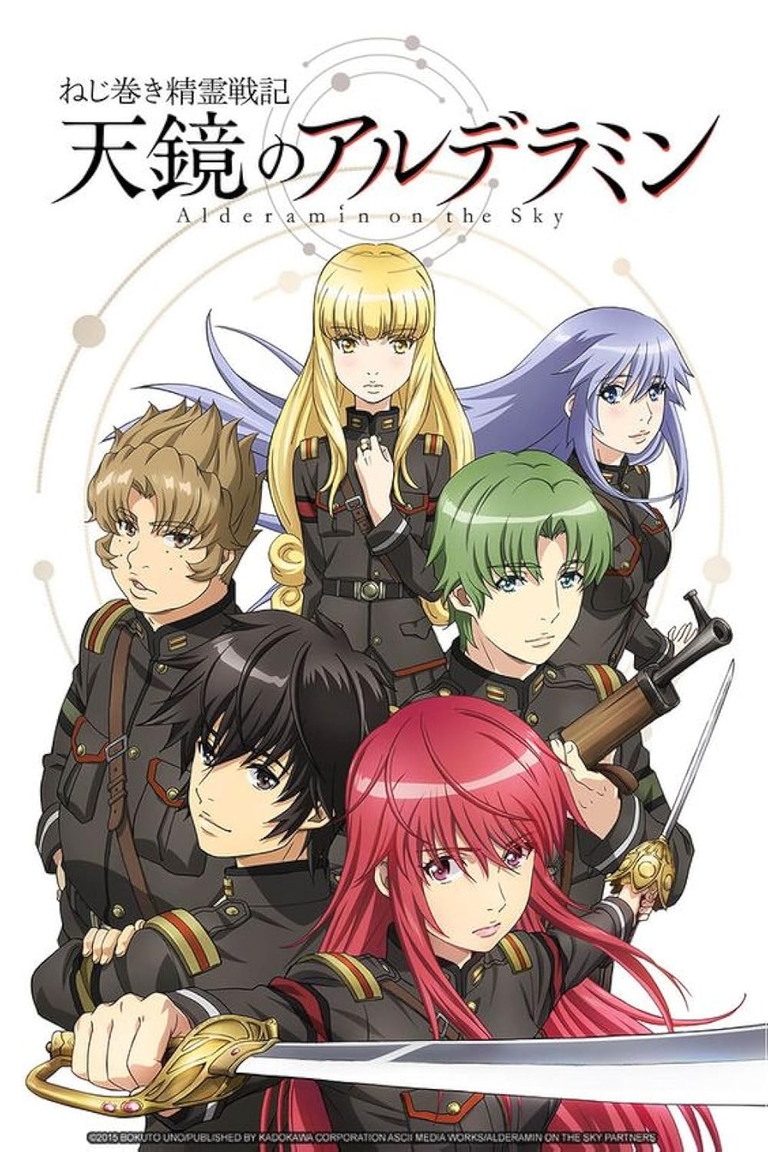
The first few episodes cover the High Grade Military Officer Exam. Ikta, Yatori, Torway Remeon (the sharpshooter), Matthew Tetdrich (the insecure noble), and Haroma Bekker (the medic) get shipwrecked behind enemy lines with Princess Chamille.
This isn't filler. It's where you learn how the group functions under pressure. Torway develops the first sniper unit concepts. Matthew grows from a whining noble kid into someone who can hold a line. Haro learns to keep people alive when the medicine runs out.
The princess is important too. Chamille Kitra Katjvanmaninik is twelve years old but politically savvy. Saving her is what forces Ikta into the military career he never wanted. She becomes his connection to the imperial court, which is crucial for navigating the political minefield later.
Torway is interesting because he comes from a rival family to the Igsems. He's a ranged combat specialist in a culture that values face to face sword fighting. Ikta recognizes his talent immediately and builds strategies around having a sniper team. This is basic modern warfare stuff, but it's revolutionary in a setting where generals still think cavalry charges are the pinnacle of military science.
Matthew is the everyman character. He's not a genius like Ikta or a super soldier like Yatori. He's just trying his best and failing a lot. But he keeps getting up. His growth from episode one to episode thirteen is solid character work that pays off when he finally stands his ground in a real battle.
The Incomplete Ending Problem
Here's where I get mad. The anime adapts roughly the first three light novels and stops dead. There's no second season. The last episode sets up a massive conflict between Ikta and Yatori's families, hints at a betrayal, and then rolls credits forever.
Apparently the light novels continue for several more volumes and get way darker. Characters die. The war escalates. Ikta earns his title as the "Lazy Invincible General." But the anime leaves you hanging with an open wound of an ending.
Some people say this makes the show not worth watching. I disagree. The 13 episodes we got are solid military procedural with good character work. But yeah, it's frustrating. You'll probably end up reading the books if you get hooked.
The adaptation cut a lot of content from the source material. Side plots got compressed. Characters who have major roles later get introduced as background extras. If you want the full story, you have to go to the books. The anime is just a preview.
Real Military Tactics in a Fantasy Wrapper
What makes the Alderamin on the Sky plot and strategy stand out is the attention to logistics. Most war anime ignore supply lines. This one makes them central.
There's a whole arc about mountain warfare where the enemy isn't shooting at you, the weather is. Soldiers die from exposure. Equipment fails. Food runs out. Ikta wins by preparing for these conditions while his opponents are planning heroic cavalry charges.
He requisitions winter gear when command says it's unnecessary. He builds shelters instead of fortifications. He knows that keeping your men alive is more important than looking brave. The show captures the grinding misery of high altitude combat better than anything else I've seen in animation.
During one siege defense, Ikta doesn't fortify the walls. He floods the surrounding fields to create mud that traps the enemy cavalry. He uses the enemy's honor against them, baiting knights into charging into terrain where their heavy armor becomes a death trap. It's cruel, efficient, and exactly how real guerrilla warfare works.
The show also deals with the political side of war. Ikta has to manage bureaucratic infighting while fighting the actual war. He needs signatures from generals who hate him. He has to follow orders he knows are stupid until he finds a loophole. It captures the frustration of being competent in a broken system.
The Science vs Religion Conflict
The Katjvarna Empire suppresses scientific advancement because it threatens their religious authority. This is why they're losing to Kioka. Ikta learned science from his father's friend Anarai Khan, who defected to the Republic because the Empire tried to kill him for being a heretic.
This creates a weird situation where Ikta is using forbidden knowledge to save an empire that would execute him if they knew what he was doing. He's not just fighting the enemy. He's fighting his own side's ignorance.
The sprites add another layer. Everyone bonds with an elemental spirit partner, but Ikta treats them like tools rather than mystical beings. He figures out how they actually work instead of accepting religious explanations. That mindset lets him innovate tactics that seem like magic to everyone else.
The air rifles are a perfect example. Most soldiers treat them like blessed artifacts. Ikta treats them like machines that need maintenance. He figures out optimal firing angles, reloading patterns, and ammunition conservation. It's basic engineering applied to fantasy warfare.
Why the Strategy Feels Real
Ikta loses battles. He can't save everyone. There are scenes where he has to choose between two bad options and people die either way. The show doesn't let him off the hook with a last minute miracle. Sometimes the enemy is just better prepared. Sometimes the weather kills more men than the bullets.
This stakes raising makes the victories feel earned. When Ikta wins, it's because he thought of something no one else did, not because he believed in himself harder. He uses terrain, weather, psychology, and supply lines as weapons. He turns the enemy's honor against them, luring knights into mud pits where their heavy armor drowns them.
The tactics are grounded in real military history. The siege warfare resembles 19th century conflicts. The guerrilla tactics come from colonial wars. It feels like the author actually read some books about war instead of just watching other anime.
Alderamin on the Sky is a messy show with an annoying protagonist who stares at women's chests too much and an ending that doesn't exist. But if you want to see how a war anime handles logistics, politics, and the boring parts of military life that usually get skipped, it's worth your time.
The Alderamin on the Sky plot and strategy works because it respects the viewer's intelligence. It shows you a problem, lets you see Ikta figuring out the angles, then pays it off with a solution that makes sense. No ass pulls. No power of friendship saving the day. Just preparation, science, and the willingness to do what works instead of what looks cool.
It's a shame we never got season two. The story gets wild after the anime stops. But even incomplete, this is one of the better military strategy anime out there. Just don't blame me when you finish episode thirteen and scream at your screen because nothing is resolved.
Why the lazy genius protagonist creates messy military anime