
Analyzing Lena and Shin's relationship in the 86 Eighty-Six anime shows you exactly why this isn't your typical wartime romance setup. Most viewers only see the foundation because the anime adapts roughly the first three light novel volumes, which means they miss the actual payoff that happens later. That's frustrating if you're watching for the romance, but it also explains why their bond feels so heavy even in those early episodes. They aren't just falling in love; they're learning how to stay alive while carrying the dead.
Their connection starts through the Para-RAID system, which lets Lena hear Shin's thoughts and battlefield experiences in real time. This creates an intimacy that bypasses normal social boundaries immediately. She's an Alba officer in the Republic of San Magnolia, he's an Eighty-Sixer considered subhuman by her government, and they're talking every night while he fights for survival. That setup creates a specific kind of closeness that breaks the usual romance formula. It isn't about attraction first. It's about witnessing trauma together and choosing not to look away.
What makes this relationship work is that both characters are messed up in complementary ways. Shin carries the nickname Reaper because he puts down his comrades when they die and turn into Legion AI. He's been doing this since he was a kid. Lena starts as a naive idealist who thinks she can save everyone through strategy and kindness. When they meet, he thinks she's annoying and she thinks he's a tragic hero. Neither perception is accurate, and dismantling those false images takes time.

Why the Handler-Processor Dynamic Creates Tension
Shin and Lena begin as superior and subordinate, which creates a power imbalance that the story doesn't ignore. Lena holds Shin's life in her hands during combat operations. She gives orders that determine whether he lives or dies. Shin knows this and initially treats her with cold professionalism because he's seen handlers break before. He's watched previous officers crack under the pressure of the Para-RAID, unable to handle the screams of dying Processors.
This dynamic gets complicated because Lena actually cares. She isn't just using the Eighty-Six as disposable tools like other Republic officers. She learns their names, she argues with command about their treatment, and she refuses to cut the connection when things get bloody. That persistence cracks Shin's armor. He starts answering her questions honestly instead of giving one-word responses. He tells her about his brother Shourei Nouzen, who died in combat but whose legacy hangs over every conversation.
The connection to Rei matters because Lena keeps positive memories of him from before the war. She doesn't see Rei as just another dead Eighty-Six statistic. She remembers him as kind. This creates a bridge between her and Shin that no other handler could build. Shin finds out that this Alba girl, who should represent everything he hates about the Republic, treasures the memory of his brother. That's weird for him. It doesn't make sense in his worldview, and that confusion turns into curiosity, then into trust.
Before the Spearhead Squadron leaves on their Special Reconnaissance Mission, which is basically a suicide assignment, Shin asks Lena to do two things. He wants her to leave flowers at their final destination if she ever gets the chance, and he wants her to remember them. Specifically, he says don't forget us. This request hits different because Shin has spent the entire series assuming he'll die unmourned and unremembered like every other Eighty-Six. Lena takes this literally and it changes her entire trajectory.
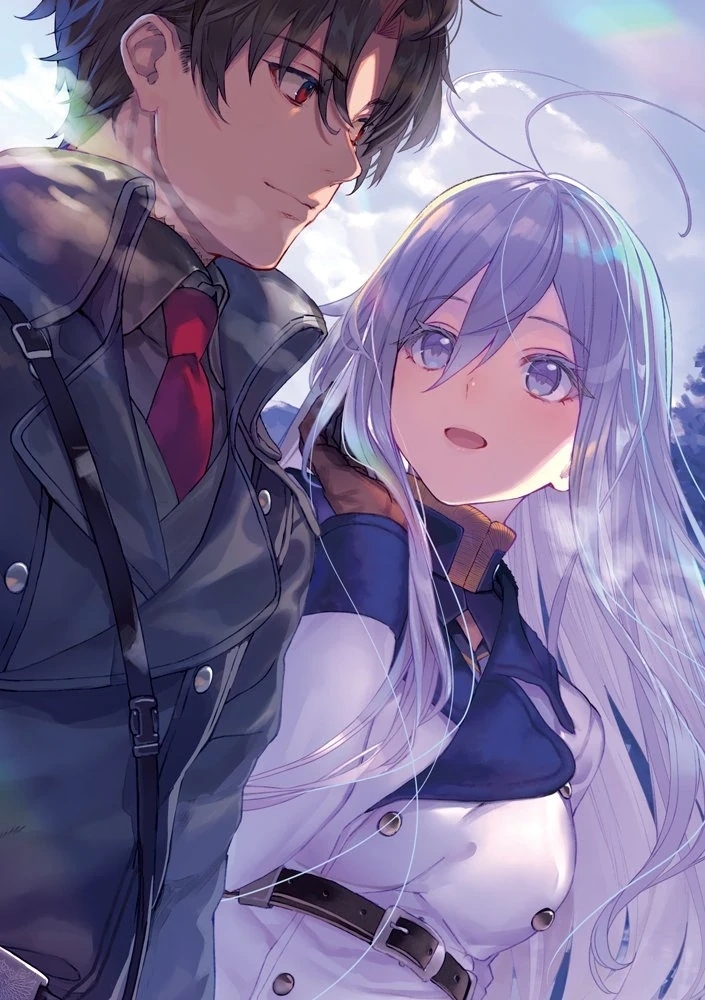
Separation and the Bloodstained Queen Transformation
After Shin and the others cross the border and disappear, Lena doesn't move on. She becomes obsessed with keeping her promise. She starts fighting differently, earning the nickname Bloodstained Queen because she starts using tactics that actually win battles instead of just minimizing Eighty-Six casualties. She keeps talking to Shin through the Para-RAID even when he's out of range, not knowing if he's alive or dead. This period of separation is crucial for her character because she stops being naive and starts being effective.
When they finally reunite in that field of red spider lilies, Shin doesn't recognize her at first. He's been through hell, he's lost more comrades, and he's basically given up on living. Then this soldier in a new uniform starts talking to him about why she fights, and he realizes it's Lena. The relief he feels in that moment isn't just about seeing a friendly face. It's confirmation that someone kept their promise to remember him. That he mattered enough to be remembered. That's huge for a guy who processes death every single day.
Their first physical meeting is tense because Shin interrogates her. He wants to know why an Alba officer is on the front lines, and he's suspicious of her motivations. When he figures out who she is, he doesn't reveal himself immediately. He lets her complete her mission first because he respects her that much. Their second meeting at the Processor memorial is where things soften. She salutes him, he smiles, and they finally acknowledge each other as equals.
Resetting Boundaries in the Eighty-Sixth Strike Package
After the reunion, Lena joins the Eighty-Sixth Strike Package as their actual commanding officer, not just a remote handler. This changes everything about how they interact. They make a conscious decision to reset their relationship. On duty, they're Major Milizé and Captain Nouzen. They use ranks and maintain professional distance. Off duty, they're Lena and Shin, using first names and talking like friends.
This setup is rare in anime romances. Most shows throw the leads together and have them blush and stutter through combat operations. Shin and Lena don't do that. They acknowledge the attraction is there, everyone around them can see it, but they box it up during work hours because people die when you get distracted on the battlefield. Frederica, the young empress traveling with them, calls out Shin's obvious affection for Lena constantly. Theo makes jokes about them being a troublesome pair. But Shin and Lena maintain that boundary because they respect the stakes.
Light novel Volume 5 shows this getting messy. Shin realizes he doesn't actually understand Lena as well as he thought, and Lena realizes she's been projecting her own guilt onto him. They have awkward confrontations where they talk past each other. This isn't romantic comedy misunderstanding for laughs. It's two damaged people failing to communicate properly because they're scared of getting hurt. The anime doesn't cover this volume, which is why some viewers think their romance comes out of nowhere later. It doesn't. They work through the awkward phase first.
Shin's motivation shifts during this period. He starts fighting because he wants to show Lena the sea. That becomes his primary reason for living. Not revenge, not duty, but a future where he gets to share something beautiful with her. That's a massive shift for a character who started the story waiting to die. Lena notices this change in him and it scares her because she doesn't want to be the reason he dies, but she also doesn't want to lose him.
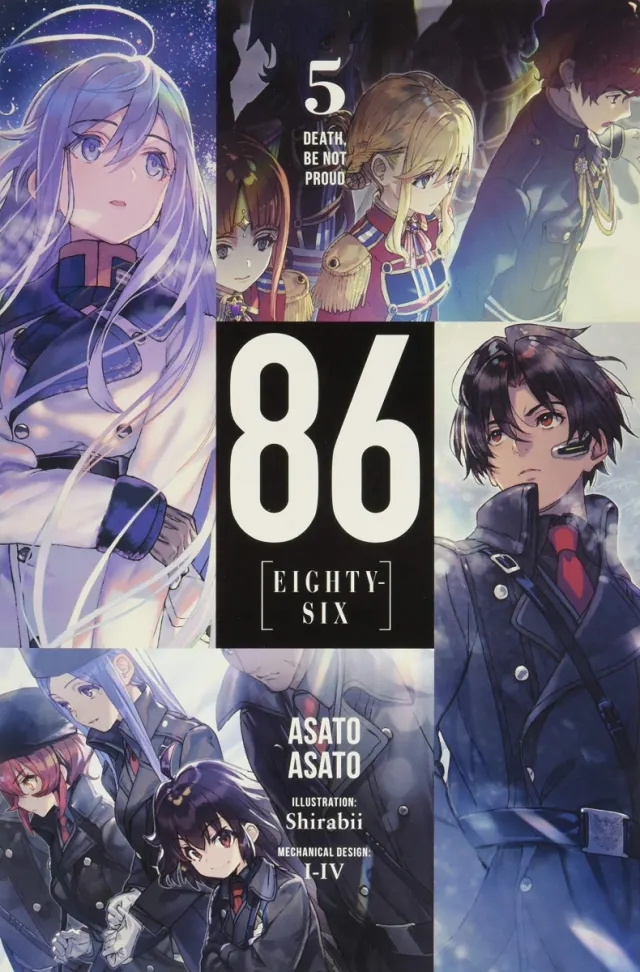
The Slow Burn from Volumes 4 Through 9
If you're only watching the anime, you miss the actual romance development. The light novels take their time from volumes 4 through 6, showing small moments that build tension. Lena puts a blanket over Shin when he falls asleep working. Shin catches Lena when she slips while ice skating during downtime. These aren't grand romantic gestures. They're quiet observations that show they're paying attention to each other.
By the end of Volume 6, both know something is happening but neither will say it. They're both dense and traumatized and don't know how to process normal human affection. Then Volume 7 hits the Alliance of Wald arc, and Shin confesses during a fireworks display. He tells her straight up that he loves her. Lena's reaction is to kiss him immediately, then panic and run away without giving a verbal answer. It's messy and human and exactly what you'd expect from someone who has no experience with relationships but knows she doesn't want to lose this person.
The month following that confession is awkward as hell. They don't know how to act around each other. Then in Volume 8 on the Stella Maris, Shin calls that previous kiss payback and kisses her again, but differently. He bites her lip and tells her to answer him properly when she's ready. It's intense and a little violent but fits their dynamic perfectly. They're not gentle people. They've been through war and their romance reflects that roughness.
Volume 9 makes them official during the Valkyrie Has Landed mission. After Shin has a traumatic incident involving Theo and almost loses himself again, Lena comforts him. She tells him she loves him properly this time, they kiss, and they decide they're together. No more dancing around it. This progression takes five full volumes of material after the anime ends. It's earned through shared meals, battles, nightmares, and quiet moments where they choose each other over and over.
Why Professional Boundaries Make the Romance Stronger
Most mecha anime either ignore romance until the last episode or have characters making out while missiles fly overhead. 86 Eighty-Six splits the difference by showing professionalism. Shin and Lena maintain their superior-subordinate relationship during operations because they have to. They compartmentalize. This makes the private moments hit harder because you see them choosing to be vulnerable when they don't have to be.
Shin defies Lena's orders for the first time when she's at risk, which shocks both of them. He's always been the perfect soldier, following commands even when they lead to death. But when Lena might die, he breaks protocol. That tells you everything about how he feels without him having to say a word. Lena does the same thing later, refusing to retreat when Shin is missing in action.
The payoff in Volume 9 works because we've seen them fail to communicate, seen them misunderstand each other, seen them maintain distance for the good of the unit. By the time they finally get together, you believe they'd fight through hell to keep each other alive. Because they already have. Their relationship isn't built on physical attraction or proximity. It's built on the fact that Shin is the only one who sees Lena as she really is, flaws and all, and Lena is the only one who refuses to let Shin become just another dead Eighty-Six statistic.
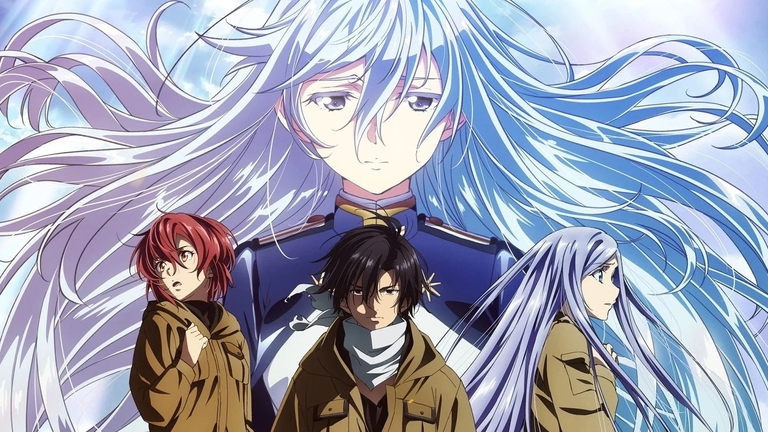
Analyzing Lena and Shin's relationship across the full story shows a romance built on survival first and attraction second. The anime gives you the setup, but the light novels deliver the payoff that makes the early episodes hurt more on rewatch. They don't get a simple happily ever after. They get a promise to keep fighting together, and in their world, that's more valuable than any confession scene.