
Anime gamers stuck in their digital worlds isn't a new idea no matter what your friend who just discovered Sword Art Online tells you. The concept of kids getting pulled into computer screens and fighting for their lives has been around since the late 90s, and honestly, some of the old stuff hits harder than the new seasonal isekai trash.
Everyone thinks they know this genre. Some guy gets teleported to a fantasy land, discovers he's got overpowered skills, and collects a harem while pretending to be a strategist. That's not gaming anime, that's just power fantasy with a controller aesthetic. Real anime about gamers and their digital worlds dives into the mechanics, the social structures, and the terrifying realization that your virtual life might be more real than your physical one.

Digimon Built the Original Digital World
Before anyone got trapped in Aincrad, the Digital World existed as a parallel universe made of data linked to Earth's telecommunications networks. The lore goes deep but it started with early 20th century computers like ENIAC and the Atanasoff-Berry Computer laying down the foundations. This wasn't just some fantasy realm with a tech skin, it was a place where deleted data from the real world ended up, giving birth to creatures that were part monster, part computer program.
The Digimon multiverse is a nightmare to explain because every series reinvents the rules. In Digimon Adventure, you've got a world that runs parallel to a kaleidoscopic dream dimension where human thoughts become reality. Digimon are born from human beliefs and myths, living on File Island and the Server Continent. When they die, they reform as Digi-Eggs at Primary Village and start over. It's cyclical and weird and treats the digital space as an ecosystem rather than just a game board.
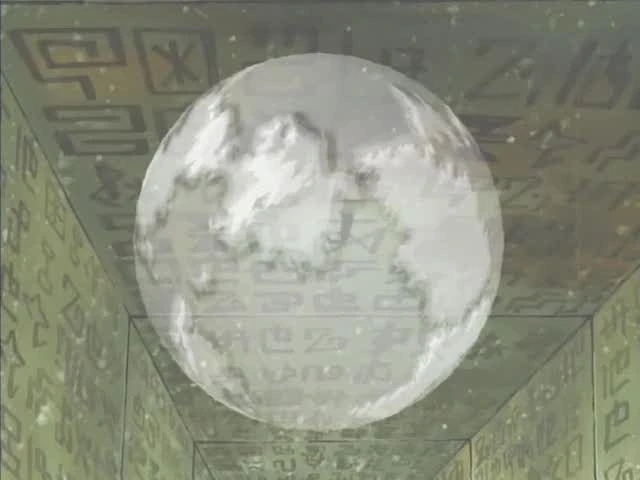
Then Digimon Tamers came along and made everything more grounded. This version of the Digital World started as a barren desert created by teenage programmers in California during the late 1980s as an AI experiment. When funding got cut, these primitive digital life-forms escaped into the network and evolved on their own. The show treats them as actual autonomous intelligence, not just pets. You've got the DigiGnomes, which are native to the data itself, and the four Holy Beasts who guard the place. The Digital World here has layers like a cake, from the desert floor up to the home of the Sovereigns, with data streams pulsing down from a glowing representation of Earth visible in the sky.
What makes Digimon stand out is that the kids aren't just stuck there, they're partners. The bond between human and digital creature matters more than stats or levels. The Digivice isn't just a key, it's a bridge between two worlds that treats the digital space as alive.
When Games Became Death Traps
Sword Art Online didn't invent the "die in the game, die in real life" mechanic but it definitely popularized it to an annoying degree. The NerveGear full-dive tech lets players experience the MMORPG with all five senses, which sounds great until the creator locks everyone inside and makes the first death game. Kirito spends two years grinding levels while people actually die around him, and the show gets flak for being edgy but you can't deny it captured that early 2010s anxiety about virtual reality becoming too real.
The thing SAO gets right is the social breakdown. When thirty thousand people realize they can't log out, you see guilds forming, information brokers emerging, and the economy stabilizing into something functional. The front-line players become celebrities, the beta testers get treated like cheaters, and the casual players hide in starting towns hoping someone else clears the game. It's messy in a way that feels true to actual MMO culture.
But .hack//Sign did the psychological horror angle years earlier. Tsukasa isn't just stuck in The World, he's dissociating so hard he can't remember if he has a body anymore. The show moves slow, like watching paint dry slow, but it captures that specific early 2000s feeling of spending too much time online and losing track of reality. The NPCs start acting weird, the game glitches feel personal, and the mystery of why he can't log out becomes an existential crisis rather than just a technical problem.

The Sociology of Stuck Players
Log Horizon takes the trapped-in-a-game premise and asks what happens when the players don't panic. When thirty thousand Japanese players get pulled into the MMORPG Elder Tale, they don't form death cults or harem parties immediately. They set up a government. Shiroe, the protagonist, is a strategist who realizes that without a legal system or economy that makes sense, the city of Akihabara will devolve into player-killing chaos.
This show is boring to some people because it's talky. There are episodes about zoning laws and tax policy. But that's exactly why it works as an anime about gamers. Real MMO players care about min-maxing and auction house prices. They form guilds with hierarchies and drama. Log Horizon treats the digital world as a society that needs infrastructure, not just a dungeon to clear.
The NPCs here are called People of the Land, and they have their own politics that the players keep stumbling into. The adventurers are functionally immortal since they respawn at cathedrals, which creates a weird power dynamic with the natives who can actually die. The show explores how gamers who spent years theorycrafting builds would actually make decent administrators because they're used to optimizing systems.
Broken Builds and Broken Rules
No Game No Life takes a different angle. Sora and Shiro are NEET siblings who get summoned to Disboard, a world where all conflicts get resolved through games. It's not a virtual world in the technical sense, but it functions like one because the rules are absolute and enforced by magic. The pair treat reality itself like a game to be broken, exploiting loopholes and psychological tricks to defeat opponents who should be stronger.
Then you've got Bofuri, which is just pure joy. Maple doesn't want to get hurt so she dumps every stat point into defense until she becomes an unkillable monster who poisons everything by accident. It captures that feeling of finding a broken skill combination in an RPG and ruining the game for yourself, except here the developers are watching in horror as she discovers new glitches. It's light and fluffy but understands gamer psychology, the urge to play wrong on purpose just to see what happens.
When the AI Fights Back
Digimon Tamers predicted half of our current AI panic. The D-Reaper isn't a villain with a face, it's a cleanup program that sees Digimon as errors to be deleted and humanity as collateral damage. The show treats the Digital World as a place where programs evolve into life, and life creates problems that pure logic can't solve. The Digital World in Tamers was built by humans but grew beyond them, creating the DigiGnomes and the Sovereigns through natural selection of data.
MegaMan NT Warrior did something similar with its NetNavi system. Lan Hikari and MegaMan.EXE fight viruses in a world where everyone carries personal AI assistants in their PET devices. It feels like a prediction of smartphones and IoT devices, where the digital world overlays the real one through augmented reality. The battle network isn't a place you go, it's a layer of reality that exists alongside your daily life.
Overlord flips the script by having the protagonist stay logged in when the game shuts down. Momonga becomes his skeletal avatar Ainz Ooal Gown for real, and the NPCs gain personalities based on their backstories. It's a power fantasy about being the villain in a game world, treating the former NPCs like actual subjects while maintaining the detached cruelty of someone who thinks it's all still just code.
The Hardware Between Worlds
The devices matter more than people think. In Digimon, the Digivice isn't just a phone, it's a catalyst for emotional evolution. The D-Power in Tamers scans cards to modify abilities in real-time, literally letting kids hack their partners mid-battle. Frontier had the kids turn into Digimon themselves through spirit evolution, blurring the line between player and character.
Contrast that with SAO's NerveGear and AmuSphere, which are just VR headsets that cook your brain if you die. Or the Augma in Ordinal Scale, which overlays the game on reality through AR. Each piece of tech changes how the characters relate to their digital worlds. When you're wearing a headset, you're still aware your body exists somewhere else. When you're physically transported like in Digimon, the stakes are different.
Even the portal mechanics change the tone. Different Digimon series use different methods, Adventure uses gateways unlocked by devices, Tamers uses random portals under buildings, Frontier uses sentient trains called Trailmon that run between dimensions. In Xros Wars, the world got shattered into 108 Zones that need Code Crowns to reconnect. The method of entry determines whether the digital world feels like a place you visit or a prison you escape.
Why Some Gamer Anime Works and Others Don't
The worst gamer anime treats the game as a setting rather than a system. If the protagonist can just pull new powers out of nowhere because he's the chosen one, that's not a gamer protagonist, that's a standard isekai lead with a controller prop. Good gamer anime respects the mechanics. The characters talk about stats, they worry about inventory management, they get excited about rare drops.
The best isekai and VR anime understand that MMO culture is about community. It's about guilds falling apart over loot drama, or friendships forming because someone saved you from a mob you couldn't handle alone. Log Horizon's round table council, SAO's clearers risking their lives for each other, even the rivalries in No Game No Life, they all tap into the social aspect of gaming that makes people log in every day.
Digimon gets this right because the partnership is the point. Tai and Agumon, Takato and Guilmon, these relationships develop through shared trauma in the Digital World. The monsters aren't tools, they're characters with agency who choose to fight alongside humans. That emotional connection is what separates anime gamers who are just passing through from those who truly inhabit their digital worlds.
The genre isn't going away because we've only gotten more connected to our screens. Whether it's the Digital World, Aincrad, or Elder Tale, these shows reflect our anxiety about spending too much time online while secretly wishing we could make those connections physical. The best ones remember that games are about the people playing them, even when the game becomes reality.