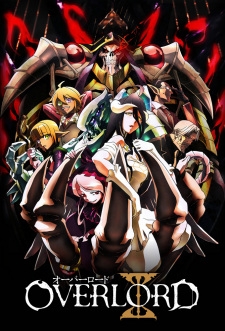
Everyone wants anime like Overlord recommendations but most lists just throw random isekai at you and call it a day. That's lazy and you deserve better than watching some generic hero save a village for the hundredth time while blushing at girls. Overlord works because Ainz Ooal Gown is a villain who commits real war crimes, the NPCs have personality disorders that make them interesting, and the world reacts to his power in ways that feel heavy instead of being a power trip with no consequences. If you want shows that capture that same energy without being cringe copycats, you need to look past the obvious isekai label and find stuff with similar mechanical depth or that same cold pragmatism.
The problem with most recommendation threads is they see "guy transported to game world" and think that's enough. It's not. Overlord is about a guy who was already done with the game, got stuck there, and decided to conquer the place because he had nothing better to do while his guildmates were gone. That specific mix of loneliness, overwhelming power, and accidental competence is hard to replicate. But some shows get close enough to scratch that itch without making you feel like you're watching baby's first power fantasy.
That Time I Got Reincarnated as a Slime Is The Obvious Choice But Different
Yeah yeah, everyone says Tensei Shitara Slime Datta Ken is just like Overlord and they're not wrong but they're missing the point. Rimuru Tempest starts as a slime and builds a nation just like Ainz does with Nazarick, and both of them have subordinates who worship the ground they walk on while completely misreading their intentions. The difference is Rimuru really wants to be friends with everyone and creates a utopia where different species live together, while Ainz accidentally genocides people because Demiurge misunderstood his grocery list. Slime recommendations on MAL always pop up because the skeleton and the slime are both overpowered monster leaders, but Slime is way more optimistic and less grimdark. If you like the nation building and the political negotiations but wish Ainz wasn't such a villain, Slime is your show. It has the same vibe of "how do I govern this territory I accidentally conquered" but with more friendship speeches and less torture.
The world building in Slime is solid though. Rimuru has to deal with neighboring kingdoms, economic systems, and military alliances just like Ainz does, and both shows spend way too much time on council meetings that somehow stay interesting because the stakes are real. The animation is cleaner in Slime too, if that matters to you. Overlord's CGI goblins look like they're from a different century but Slime really puts budget into its army scenes. Both protagonists come from boring office jobs in Japan and apply corporate management tactics to running a fantasy kingdom, which creates some funny parallels when you watch them back to back. Rimuru just does it with a smile while Ainz does it with a magical aura that makes people pee their pants.
The Eminence in Shadow Is The Meme Version
People keep recommending The Eminence in Shadow as an Overlord clone and I get why but it's not really the same thing. Cid Kagenou wants to be the shadowy puppet master pulling strings from behind the scenes, kind of like how Ainz accidentally becomes this mythical overlord that everyone fears. The difference is Cid is doing it on purpose for the aesthetic while Ainz is just trying to survive and keeps stumbling into greater levels of tyranny. Some Reddit threads call this the closest match but they're overrating it. Eminence in Shadow is a comedy first and foremost, and while it's hilarious watching Cid maintain his Chuunibyou delusions while accidentally being right about everything, it doesn't have that heavy oppressive atmosphere that Overlord nails. The combat hits hard though, and the way his subordinates in Shadow Garden worship him mirrors how the Floor Guardians look at Ainz. If you want the "loyal followers who are way more competent and scary than the protagonist" dynamic, this delivers, just don't expect the same level of political intrigue or mass murder.
What makes Eminence frustrating to watch sometimes is that Cid is playing at being evil while Ainz really is evil by most standards. When Cid blows up a bad guy it's because the plot demands it and he wants to look cool. When Ainz does it it's because he calculated that the terror value exceeds the utility of keeping them alive. That distinction matters if you care about character motivation. Still, the action scenes slap and the soundtrack goes hard, so it's worth your time even if it's a different flavor.
Saga of Tanya the Evil Is What You Want For Military Brutality
If the part of Overlord you liked was Ainz destroying entire armies with one spell and the general military strategy of "I have bigger numbers so I win," then Youjo Senki is probably closer to what you want than most real isekai. Tanya Degurechaff is a salaryman who got reincarnated as a little girl in an alternate World War One because he pissed off God, and she decides to climb the military ranks through pure pragmatism and overwhelming magical firepower. She's not trapped in a game, there's no guild base to manage, but the vibe of "ruthless commander who views soldiers as resources and will commit war crimes to secure victory" is identical to Ainz. Screen Rant's list puts this at number one for a reason. The battles are tactical instead of just being about who has the bigger stat number, and Tanya's internal monologue about wanting a safe desk job while accidentally becoming the most feared soldier in the war mirrors Ainz's accidental conquest vibe perfectly. It's grim, it's violent, and nobody is having fun except maybe the viewers.
The religious aspect adds a layer that Overlord doesn't have, with Tanya constantly fighting against Being X while Ainz fights against the concept of losing. Both are trapped in situations they didn't choose but decide to dominate anyway. The animation by Nut studio is gritty and industrial compared to Overlord's dark fantasy aesthetic, but the feeling of watching a protagonist who is completely morally bankrupt win through superior firepower is the same kick. If you found yourself cheering when Ainz used Goat Mom to eat people, you'll probably enjoy watching Tanya drop artillery on her enemies while screaming about efficiency.
Log Horizon Does The Game Mechanics Better
Shiroe in Log Horizon is trapped in Elder Tale with thousands of other players just like Ainz is stuck in Yggdrasil, but instead of being an undead god who can kill anyone, Shiroe is just an Enchanter who has to use his brain to survive. This show is for you if you liked the "trapped in an MMO" aspect of Overlord but wish it spent more time on how the game systems really work and how society would function if thousands of gamers got stuck somewhere. The politics in Log Horizon are way more detailed than Overlord, with real economic theories and government structures being built from scratch. Anime Planet comparisons note that while Overlord focuses on one overpowered guy, Log Horizon spreads the attention across an ensemble cast and shows you how regular players adapt. It's slower, there's more talking, but if you enjoyed watching Ainz pretend to know what he was doing in diplomatic meetings, Log Horizon gives you three seasons of that specific energy without the "I can nuke this country if they say no" safety net.
The best part is Shiroe has to work for his victories. He can't just cast one spell and end a war, he has to manipulate the market, form alliances, and use information warfare. It's like watching Ainz's scheming scenes but extended across entire episodes. If you felt like Overlord skipped over the "how does the world work" bits to get to the explosions, Log Horizon fixes that by showing you the supply chains and guild politics. Plus it has actual stakes because people can die permanently if they give up on life, which adds a psychological horror element that Overlord touches on but doesn't explore as deeply.
How Not to Summon a Demon Lord Is The Same Premise But Horny
Diablo from How Not to Summon a Demon Lord is literally the same setup as Ainz. Hardcore gamer gets pulled into the world of his favorite MMO as his overpowered character, has to pretend to be an evil demon lord to keep up appearances, and accidentally collects a harem. The difference is this show leans hard into the ecchi comedy instead of the grimdark politics. Game Rant mentions this one as sharing the premise but it's way lighter. Diablo isn't real evil, he's just a shut-in who panics in social situations, and the show cares more about boob jokes than world conquest. That said, if you liked the moments in Overlord where Ainz tries to act like a normal person but accidentally intimidates everyone because he's a skeleton, this has that same awkward energy. Just know you're trading the strategy for fanservice.
The game mechanics are similar though. Diablo has the same issues where his in-game abilities are broken in the new world context, and he has to figure out how magic works while pretending he already knows. The dynamic with Rem and Shera has shades of how the Floor Guardians interact with Ainz, though obviously way more sexualized. If you want something where the protagonist is overpowered but uses it to help people instead of conquering them, this fits, just don't expect the same tone as Nazarick's war campaigns.
Arifureta Is For The Betrayal And Edge
Hajime Nagumo starts as the weakest guy in his class who gets transported to a fantasy world, then gets betrayed, falls into a pit, and has to eat monsters to survive until he becomes an overpowered gun wielding badass who doesn't care about his former classmates. It's edgier than Overlord and the animation quality is inconsistent at best, but if you liked how Ainz stopped caring about being human and embraced being an undead lich who would massacre thousands for his goals, Arifureta hits similar notes. The protagonist becomes so powerful that nothing threatens him, he collects a harem of monster girls, and he builds an army while looking for a way home. It's more of a revenge fantasy than a conquest fantasy, and the Quora discussions often mention this for people who want the "abandoned by humanity, becomes something else" arc that Ainz has.
The dungeon crawling aspects are solid. Hajime has to craft his weapons from monster parts and learn ancient magic, similar to how Ainz explores the new world to learn about wild magic and world items. Both shows feature protagonists who lose their humanity, though Hajime keeps his body while Ainz loses his. If you can get past the CGI dragons that look like PlayStation 2 graphics, the story has teeth and doesn't pull punches about how harsh survival would be.
Skeleton Knight in Another World Is The Obvious Comparison
Arc is a guy who wakes up in his game avatar's body as a skeleton knight with maxed out paladin stats, and he has to hide his face to avoid being hunted as a monster. This is literally the same visual as Ainz but good aligned. He helps people, fights corrupt nobles, and tries to find a way to get his human body back. The Reddit threads mention this one a lot because it's impossible to miss the visual similarity. Arc isn't a villain and he doesn't build an empire, but he has the same problem of being a game character in a real world where his stats make him a god. The show is lighter and has more traditional heroism, but the combat scenes where he uses high level magic against medieval armies give that same "unfair advantage" feeling as watching Ainz cast Fallen Down.
The difference is Arc feels bad about being overpowered while Ainz leans into it. If you want the aesthetic of a skeleton in cool armor smacking people around but wish Ainz was a nice guy, this is your show. It's basically what would happen if Momonga decided to be a hero instead of a conqueror.
Maoyuu Maou Yuusha For The Economics
This one is weird but stick with me. The Demon Queen teams up with the Hero to end the war between demons and humans not through fighting but through economic reform and agricultural revolution. There's no game mechanics and it's not isekai, but if you liked the parts of Overlord where Ainz has to figure out how to feed his subjects and manage trade routes, Maoyuu does that exclusively. It's all about macroeconomics, crop rotation, and how war economies function. The Hero is overpowered like Ainz but the show cares more about inflation rates than combat. It's dry, it's talky, but if you thought the best part of Overlord was the world building and politics rather than the fighting, this might be your favorite on the list.
The Rising of The Shield Hero For Pragmatic Heroes
Naofumi Iwatani gets summoned as the Shield Hero, immediately gets betrayed and framed for assault, and decides that since everyone hates him anyway he will do whatever it takes to survive including buying slaves and running his crew like a business. He isn't a villain like Ainz but he's definitely an anti-hero who stops caring about being nice to people who tried to kill him. The world building has that same "the heroes are actually just powerful people who don't understand the local politics" vibe that Overlord exploits, and watching Naofumi exploit game mechanics to become economically dominant while the other heroes struggle is satisfying in the same way watching Ainz outthink everyone is. It's less about conquest and more about survival, but the pragmatism matches.
Drifters Is The Historical Isekai
Shimazu Toyohisa dies at the Battle of Sekigahara and gets transported to a fantasy world where historical warriors from different eras are gathered to fight against evil armies. It's violent, it has a weird gothic art style that feels similar to Overlord's dark aesthetic, and the protagonists are all brutal killers who don't flinch at massacre. There's no game mechanics here but the "thrown into another world and forced to build an army from scratch" element is strong. The dynamic between the characters and the way they use modern or historical military tactics against fantasy armies creates that same "unfair advantage" feeling that Ainz has with his tier magic.
Mushoku Tensei For Character Growth Instead Of Static Power
Rudeus Greyrat is a shut-in who gets reincarnated as a baby in a fantasy world and decides to really live his life right this time. He's overpowered from birth because he keeps his memories and works hard, but unlike Ainz who starts at max level and just has to maintain his empire, Rudeus grows from nothing. The world building is some of the best in the genre, with real cultural differences and language barriers that matter. If you liked Overlord for the detailed setting and the fact that Ainz has to learn how magic works in this new world even though he's powerful, Mushoku Tensei gives you that exploration and discovery without the villain protagonist angle. It's also way more focused on personal relationships and redemption rather than conquest.
Code Geass Is Not Isekai But Fits The Vibe
Lelouch Lamperouge gets the power of absolute obedience and decides to overthrow a fascist empire using strategic genius and terrorism. There's no other world here, just alternate history, but the "overpowered protagonist building an empire through manipulation and morally grey tactics" is identical to Ainz's path. Lelouch even has his own version of the Floor Guardians in the Black Knights who worship him while not knowing his true identity. If the part of Overlord you loved was watching a genius outmaneuver established powers through strategy rather than raw force, Code Geass is probably your best bet even though it isn't technically isekai. The mental gymnastics both protagonists go through to justify their atrocities while claiming they want peace is fascinating to compare.
What To Avoid
I'm going to save you some time. Don't watch Death March to the Parallel World Rhapsody. It's everything bad about the genre with none of Overlord's teeth. The protagonist is a Gary Stu who solves problems by being nice and the world has no weight to it. Same with most of the seasonal isekai trash that comes out every year where some guy gets a smartphone and fixes everything with apps. Overlord works because there's stakes and Ainz isn't afraid to kill people, so watching a show where the hero refuses to kill bandits because "everyone deserves a second chance" is going to bore you if you liked Ainz's pragmatic cruelty.
Also Sword Art Online keeps getting recommended in these threads and I don't know why. Kirito is a good guy who wants to help people and the show cares about romance and friendship. Ainz literally doesn't understand human emotions anymore and conquers nations on accident. They're both trapped in games but that's where the similarities end. CBR includes it in their lists but they're wrong, it's a different genre entirely. Watch SAO if you want romance and boss fights, watch Overlord if you want to see a skeleton commit tax fraud and war crimes.
You have options if you want that specific Overlord cocktail of power fantasy, dark strategy, and villain protagonists. Slime gives you the nation building with less genocide. Tanya gives you the military strategy with more screaming at God. Log Horizon gives you the game mechanics with less power wank. Eminence in Shadow gives you the accidental competence with more comedy. Figure out which part of Overlord really hooked you, whether it was the guild management or the war crimes, and pick accordingly. Just don't watch something where the hero saves the demon lord's daughter and teaches her about friendship through the power of cooking, because that ain't it.