
Ben-To anime review and analysis usually starts with people laughing at the premise and ending up surprised. I keep seeing folks write this off as just another dumb fanservice show when it really is one of the most committed action-comedies of the early 2010s. David Production took a light novel about high schoolers beating each other unconscious over discounted supermarket meals and treated it like a legitimate martial arts epic. That commitment to the bit is exactly why it still holds up.
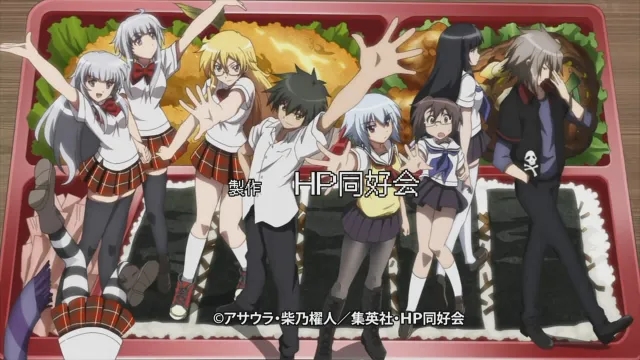
The show drops you into the deep end immediately. You get Satou Yo, this broke freshman who wanders into a supermarket looking for cheap dinner. Next thing he knows he is waking up in a hospital with no memory of the beatdown he just received. That is the hook. There is no slow explanation of why people are doing this. They just are. The series assumes you will either buy into the absurdity or drop it, and that confidence makes all the difference. It respects the viewer enough to not waste three episodes justifying why fighting over a 200 yen lunchbox makes sense in this universe.
The Premise Is Stupid And That Is The Point
Half-priced bento boxes represent survival in this show. Not metaphorically. Literally. These characters treat discounted rice and fried fish like it is the last water in a desert. The rules are simple. A store employee puts discount stickers on leftover lunchboxes at closing time. Once that employee leaves the floor, it is open season. Winners take the food. Losers go hungry. There is honor code involved. You cannot steal from someone who already claimed their meal. You cannot attack someone who is not participating. Breaking these rules gets you labeled a Dog or a Boar instead of a proper Wolf.
The genius is in how seriously everyone takes this. Satou does not question why he is learning to throw punches to save fifty cents on tempura. He just accepts that this is the ecosystem he has entered. The show never winks at the camera to say "we know this is ridiculous." Instead it commits fully to the idea that martial arts mastery is a reasonable requirement for grocery shopping. That straight-faced delivery of absurd content hits harder than if they had loaded it with sarcasm.
The Wolf Pack Characters And Archetypes
Satou starts as a complete joke. They call him "Hentai" or "The Pervert" because of a misunderstanding involving his cousin and some terrible luck. He takes beatings like it is his job. But he learns. Watching him transition from a Dog who gets scraps to a Wolf who can hold his own in the freezer aisle is genuinely satisfying. He is not some chosen one with hidden powers. He just gets punched enough times that he starts dodging better.
Sen Yarizui carries the show as the Ice Witch. She is this deadpan upperclassman who runs the Half-Priced Food Lovers Club, which is really just an excuse to formalize her hunting grounds. She does not talk much. She does not need to. Her reputation as one of the strongest fighters in town precedes her, and the show lets her competence speak instead of giving her long speeches about her feelings. She is cool without trying to be cool, which is rare in this genre.
Then you have Hana Oshiroi, who is obsessed with writing yaoi novels based on Satou's beatings. She is the fujoshi character done right because she is weird and specific rather than just being a generic pervert. She sees these violent supermarket brawls as inspiration for her romance stories, and her excitement about Satou getting hurt would be disturbing if it were not so funny. Ayame Shaga, the Beauty by the Lake, plays the cousin role who uses chopsticks as weapons and flirts with Satou to mess with him. She is chaos in a tracksuit.
Ume Shiraume deserves special mention as the student council president who is violently obsessed with Hana. She spends half her screen time slapping Satou for existing near Hana. It is repetitive. It is slapstick taken to an extreme. It somehow never gets old because the timing is always perfect. She is terrifying and hilarious, which is a hard balance to strike.
When Animation Makes Absurdity Work
David Production did not phone this in. The fight scenes in a grocery store should look stupid. They should look like kids playing pretend in the cereal aisle. Instead they look like legitimate action sequences. Characters use shopping baskets as shields. They slide on spilled drinks. They fight under fluorescent lights with freezer mist in the background, and somehow it looks cinematic.
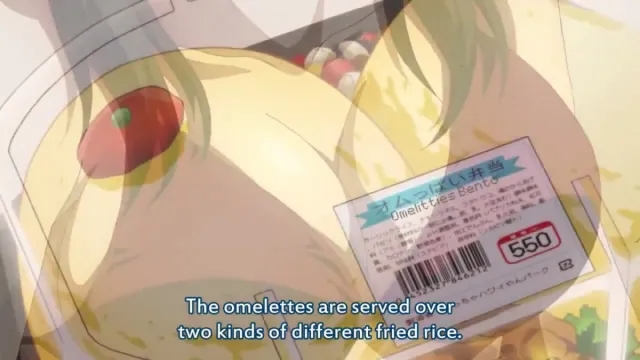
The character designs are solid without being revolutionary. Sen looks like a cold beauty. Satou looks like every other generic light novel protagonist, which works because he is supposed to be an everyman. Where the art shines is in the food. Those bento boxes look incredible. The animators clearly studied actual Japanese convenience store meals because every grain of rice and piece of karaage looks like you could eat it off the screen. That matters because if the food looked gross, the whole motivation for fighting would fall apart.
The fights have weight to them. When someone gets punched, they fly back realistically. When Satou takes a beating, he stays bandaged for episodes. The injuries stick around, which adds a weird sense of consequence to a show about lunch. You see him covered in plasters and tape, walking with a limp, and you remember that getting kicked in the face for a sandwich is probably not worth it, even if the show pretends it is.
The Soundtrack Deserves Your Attention
Taku Iwasaki composed the music, and he clearly had fun with it. The battle music blends rock with jazz with weird electronic elements that should not work together but do. There is this manic energy to the scoring that matches the absurdity on screen. When Sen is fighting seriously, the music gets operatic. When Satou is getting his ass kicked, it gets almost cartoonish. It is the kind of soundtrack that makes you look up who composed it because it is doing so much heavy lifting.
The opening song "Live for Life" by Manami gets you hyped for reasons you cannot explain. It is catchy in that early 2010s anime way, all fast cuts and energy. The ending is more relaxed, which gives you breathing room after twenty minutes of grocery store warfare. The sound design in general deserves credit. The sound of a fist hitting a stomach, the sliding of feet on linoleum, the beeping of cash registers in the background during fights, it all builds this specific atmosphere that makes the supermarket feel like a gladiator pit.
The Problems Nobody Wants To Admit
The second half of this show falls off. The first six episodes are tight. They introduce the world, the characters, the rules, and they have fun with it. Then the Orthros twins show up and everything gets serious. These twin sisters are supposed to be legendary fighters who retired and came back, and they target Sen specifically. The show tries to force a dramatic arc about rivalries and past traumas, and it does not work because the premise is too silly to support that weight.
The battles get repetitive too. After you have seen three or four bento brawls, you have seen the choreography. The show tries to mix it up with the water park episode, which is just an excuse for swimsuits and a different location, but you can feel the formula wearing thin. Satou gets beaten, Satou trains or learns something, Satou wins or loses with honor, repeat. For twelve episodes it is fine. Any longer and it would have been painful.
The fanservice is another issue. Some of it is funny. Ume slapping Satou around has comedic timing. The show has a weird obsession with putting the female characters in compromising positions or focusing the camera on their chests during serious moments. It is gratuitous. It does not ruin the show, but it dates it. This was made in 2011 when every anime needed a certain quota of panty shots to get funded apparently. You can ignore it, but you should not have to.
Why It Is Not A Harem
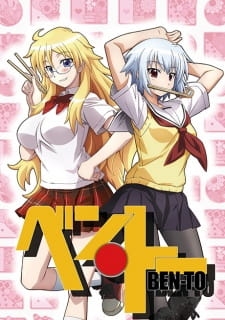
People look at the setup. One guy. Multiple girls who interact with him. They assume harem. They are wrong. Satou has no romantic chemistry with most of them. Hana sees him as writing material. Ume sees him as an obstacle. Sen sees him as a project or a disciple. Only Shaga flirts with him, and that is more of a cousin teasing thing than serious interest. The show is too busy with the action to bother with love triangles, and that is refreshing.
There are hints of feelings between Satou and Sen, but they are subtle. A glance here. A protective moment there. It never consumes the plot. The relationships feel more like a found family or a fighting team than a dating sim. That is why it works as an action-comedy instead of devolving into romantic filler.
The Legacy Of Supermarket Combat
Ben-To came out in Fall 2011 and disappeared from conversation pretty fast. That is a crime. It is not a masterpiece. It is not going to change your life. But it is a perfect example of a show that knows exactly what it is and executes that thing with zero hesitation. In an era where light novel adaptations were getting lazier by the season, this one put effort into its fights, its music, and its comedy.
You can find better character studies. You can find better action. You cannot find another show about beating people up for discounted lunch boxes that treats the subject with this much sincerity. It is stupid in the best way. It is the kind of dumb that requires smart people to make it work, and David Production clearly had smart people on staff.
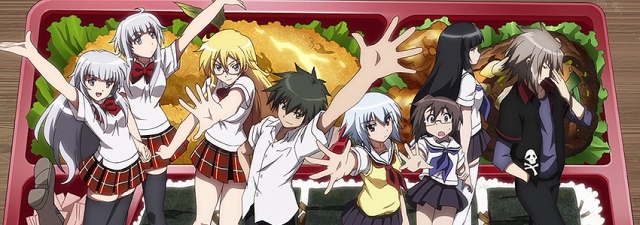
Ben-To anime review and analysis always comes down to whether you can accept the premise. If you can, you get twelve episodes of solid entertainment. If you cannot, you will drop it after five minutes. That is fair. Not every show needs universal appeal. But for those who stick around, who learn the difference between a Wolf and a Dog, who can laugh at the absurdity of martial arts grocery shopping, it is a hidden gem. It is messy. It is weird. It is way too horny sometimes. But it is never boring, and in the current landscape of safe, committee-designed anime, that counts for a lot. Put aside your cynicism for a few hours and watch people fight for fried chicken. You might surprise yourself by how much you care about who gets the last rice ball.