
Most best reincarnation isekai anime series recommendations floating around online are garbage lists padding out their counts with anything that has a portal and a blue-haired protagonist. Real reincarnation means you died. You don't get to go home. You don't have a menu screen waiting in your pocket. You are stuck in a new body with old memories and you have to deal with it.
I am tired of seeing transportation stories called reincarnation. If you got hit by Truck-kun and woke up in a fantasy pub with your same face and clothes, that's just a forced vacation. True reincarnation involves diapers, childhood trauma, and learning to walk again while remembering your mortgage from your past life. The shows that get this right are rare. They treat your second chance as something heavy, not just an excuse to give a shut-in superpowers and a harem.
The genre is flooded with trash where the protagonist remembers being a gamer and suddenly invents gunpowder to impress elves. But buried under that pile are solid works where rebirth means something. They explore identity, regret, and what happens when you can't run from your problems because you're literally a baby again. These are the ones worth watching.
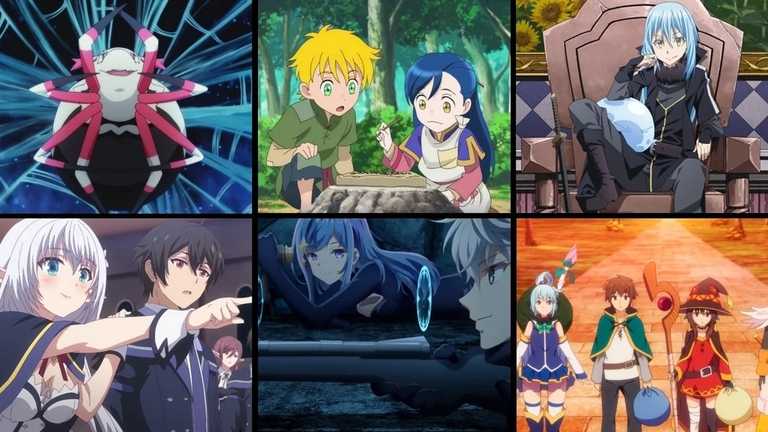
Best Reincarnation Isekai Anime Series Recommendations Beyond the Obvious
You have seen the lists. They all put Mushoku Tensei at the top and call it a day. Don't get me wrong, Rudeus Greyrat's story hits hard because it commits to the bit. He dies as a 34-year-old waste of space and wakes up as a baby in a world with magic. He doesn't get cheat skills immediately. He wets the bed and has to relearn motor skills while dealing with the psychological weight of being a failure who got a do-over. The anime respects the premise by showing his growth as slow and painful, with seasons dedicated to his childhood and awkward teenage years where he doesn't know how to interact with people because he spent his first life as a shut-in.
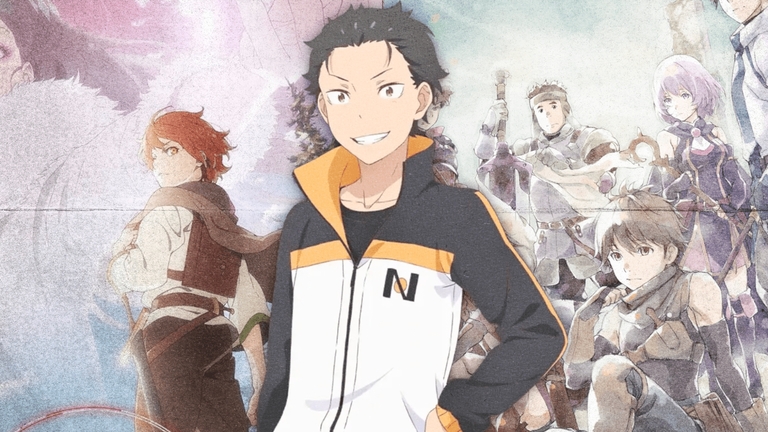
Then there is Re:Zero. People argue if it counts as reincarnation since Subaru just appears, but he dies repeatedly and resets, which functionally works like being reborn into the same timeline. The psychological toll of remembering your violent deaths while everyone else forgets mirrors the isolation of true reincarnation. Subaru doesn't get stronger by leveling up. He gets stronger by suffering until he learns to be a decent human being. That is the bar. If your isekai protagonist isn't crying at least three times a season, you're watching comfort food, not a story about second chances.
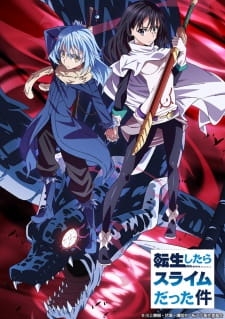
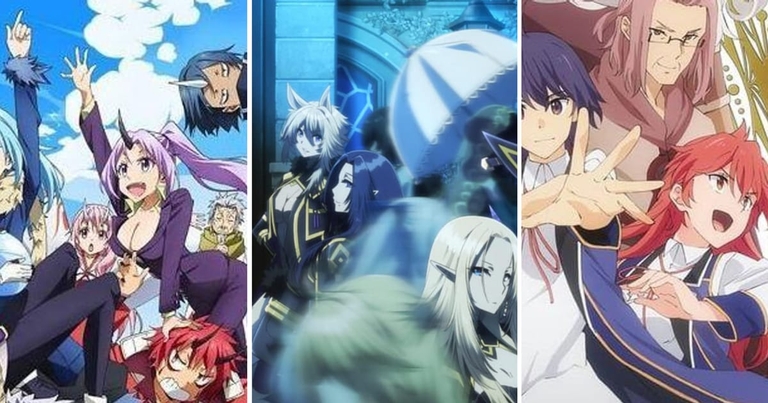
That Time I Got Reincarnated as a Slime often gets lumped in with overpowered trash, but it earns its place by starting Rimuru as a blob of goo in a cave who can't even see until he eats something with eyes. The series builds into a nation-building epic later, but the early episodes focus on the alien experience of not having a human body. Rimuru spends time figuring out how to digest things and move around. He forms bonds with a dragon he can't even see at first. The show cares about logistics and politics and how a society of monsters would actually function, which separates it from the dozens of shows where the hero just punches the demon king.
When You Wake Up As Furniture or Worse
Not everyone gets reborn as a handsome mage. Some of the best stories come from protagonists stuck in non-human forms that limit their options and force creativity. So I'm a Spider, So What? takes this further with Kumoko, who wakes up as a spider monster in a dungeon full of things that want to eat her. She talks to herself constantly because she has no friends, and she has to grind RPG mechanics just to survive eating rotten frog meat. It is claustrophobic and funny and terrifying. The dual timeline structure reveals how her classmates got better lives while she suffered in a hole, which creates real tension about fairness and luck.
Then you have the weird ones like Reincarnated as a Sword, where the protagonist is literally a weapon. He finds a catgirl to wield him and they form a partnership. It sounds like a joke, but the emotional core is about the sword teaching the girl to be strong while he deals with being an inanimate object who can think but not move on his own. These shows work because they strip away the power fantasy and force the character to adapt to severe limitations. You can't seduce a princess if you're a sword. You have to teach a kid to hold you right so you don't get dropped in mud.
Even the gimmick entries like Reborn as a Vending Machine manage to find tension in the premise. The guy can't move. He has to hope people buy his products so he can afford to upgrade his functionality. It is stupid but it commits to the bit harder than shows with million-dollar budgets that just have the hero wave his hand and solve problems. The restriction creates the story.
Breaking the Villainess Curse
The otome game reincarnation subgenre exploded recently and most of it is fluff, but a few stand out by treating the premise seriously. My Next Life as a Villainess: All Routes Lead to Doom! works because Catarina Claes knows she is doomed to die or be exiled in every possible ending of the game world she entered. Instead of gaining dark magic to fight fate, she just becomes so aggressively nice and weird that she accidentally befriends everyone who was supposed to kill her. It is funny, but it also explores how social anxiety and kindness can reroute predetermined paths. The harem forms not because she is pretty but because she is terrified of dying and overcompensates by being helpful.
The Magical Revolution of the Reincarnated Princess takes a different angle with Princess Anisphia, who uses her past life knowledge of science to invent magicology because she was born without magic ability. She is also gay and the romance isn't bait. The story cares about class structure and how technology disrupts feudal societies when someone starts making magical printers and flying brooms. It is smarter than it needs to be, looking at how knowledge from one world doesn't just give you power but changes the economic balance of the new one.
These shows matter because they focus on social maneuvering rather than combat stats. The stakes are emotional and political, not just physical survival. When you know the plot of the game you're stuck in, the tension comes from subverting expectations without breaking the setting.
The Grimdark Options That Hurt to Watch
Sometimes you want a second chance that feels like punishment. Grimgar: Ashes and Illusions drops teenagers into a world where they have to kill goblins to survive, but they are terrible at it. The goblins scream when they die. The characters are weak and hungry and the animation is watercolor soft and beautiful while terrible things happen. No one is overpowered. They can barely afford clothes. When someone dies, they stay dead. The party has to loot their body for money because that's how broke they are. It is the anti-power fantasy, showing that being reborn in a game world would actually be terrifying and filthy and painful.
Saga of Tanya the Evil puts a salaryman who rejected God into the body of a little girl in a magical World War I. She is terrifying, cold, and calculated, trying to survive military politics while an entity called Being X tries to force her to have faith by putting her in life-threatening situations. It is ugly and violent and questions what we deserve versus what we get. Tanya doesn't want to be there. She wants to live a safe life behind a desk but keeps getting promoted to the front lines because she is too good at killing. The show interrogates utilitarianism and faith without giving easy answers.
The Faraway Paladin is a hidden gem here. Will is raised by three undead heroes in a ruined city. He learns to fight and pray and love his adoptive parents knowing they are waiting to pass on once he is strong enough. It is melancholy and talks about duty and faith without being preachy. The action is solid but the quiet moments hit harder. Watching a kid hug a skeleton who taught him swordplay while knowing that skeleton is holding on just to see him grow up is the kind of emotional weight most isekai avoid entirely.
Slow Burn World Building That Respects Your Intelligence
Ascendance of a Bookworm is the slowest burn in the genre and possibly the best. Myne is a bookworm who dies and is reborn as a sickly five-year-old in a world where books are too expensive for commoners. She doesn't learn fireball magic. She invents paper. And shampoo. And the printing press. The anime spends episodes on economic theory and guild politics and the logistics of making a book from scratch. She has to deal with noble privilege and the danger of introducing technology too fast. It is boring on paper but riveting in execution because the stakes are personal. She just wants to read a book without paying six months salary for it.
The Great Cleric follows a salaryman who becomes a healer and focuses on logistics and supply chains for adventurers. It sounds boring but the attention to how a medieval economy would actually function with magic added in is fascinating. These shows respect your intelligence. They assume you care about how things work, not just who has the biggest explosion.
I saw some data that said these slower shows rank higher on MyAnimeList among dedicated isekai fans because they reward patience. The Ranker lists always include them near the top too, though casual viewers sometimes bounce off the pacing. CBR's breakdown puts Bookworm in the top tier specifically because it refuses to rush.
What to Skip and Why It Sucks
I need to warn you about the trash. If you see a title with "Black Summoner" or "The Strongest Sage with the Weakest Crest," run. These are pure power fantasies where the protagonist is instantly the best at everything and collects girls like Pokémon cards. They aren't about reincarnation. They are about wish fulfillment for people who think being smarter than everyone else is a personality trait.
The same goes for anything where the hero reincarnates as a baby but can already speak perfect Japanese and cast ancient lost magic at age two. That misses the point entirely. The struggle of reincarnation is the struggle of growth. If you skip the growth, you just have a god with a baby's face. These shows use the reincarnation premise as a skin over standard harem garbage.
Some sources include these in their roundups for completion, but community discussions agree they are filler. Better guides will tell you to stick to the ones where the protagonist has to learn to read the new world's language or deal with the grief of leaving their family behind. If the show starts with the hero one-shotting a dragon in episode one, close the tab.
Where to Start Your Binge
If you are new to the genre and want the best reincarnation isekai anime series recommendations that won't waste your time, start with Mushoku Tensei for the character study, Re:Zero for the psychological horror, and Ascendance of a Bookworm for the world building. Those three cover the full spectrum of what the genre can do when it tries. Add in That Time I Got Reincarnated as a Slime if you want something lighter but still smart about politics. Watch Grimgar if you want to feel bad about how hard killing a goblin would actually be.
Avoid the temptation to watch the seasonal trash that comes out every three months where the title is twelve words long and includes "I was reincarnated as the weakest" but the hero is immediately the strongest. They are fast food. They won't stay with you. The good ones, the ones that understand death and rebirth as concepts with weight, will make you think about your own life choices while you watch them. That is the point of the genre. Not the magic powers. The second chance.
The best shows treat reincarnation as trauma plus opportunity. They don't let the protagonist forget who they were, even when they improve. Rudeus never forgets he was a loser. Subaru never forgets the loops where he failed. Myne never forgets that she died without finishing her book. That ache is what makes these stories matter. Find the ones that hurt a little. That's where the good stuff is.