
Bleach Thousand Year Blood War anime analysis isn't just about nostalgia. It's about watching Studio Pierrot fix ten years of mistakes in real time. The original run choked on filler arcs and dragged its feet through endless recaps until it got canceled before finishing the story. Fans waited a full decade while other shonen series stole the spotlight. When Pierrot announced four separate cours with modern production values, most of us expected a cash grab. We got something else entirely.
This adaptation treats Tite Kubo's final arc with the seriousness it deserved back in 2012. The pacing doesn't waste your time with beach episodes or pointless tournaments. Every episode moves the war forward, showing the Soul Society getting its teeth kicked in by the Wandenreich. The animation quality jumped so hard that you can see the budget in every frame of fire from Yamamoto's Bankai or the particle effects when Ichigo fires a Getsuga Tensho. It's not just prettier. It's structured like a real war story with casualties that stick.
The difference between this and the Arrancar saga is night and day. Back then you had to skip forty episodes to find the main plot. Here, you can't skip anything because the anime adds scenes that fix the manga's rushed ending. Kubo worked closely with the staff to expand fights that got off-paneled and give proper sendoffs to characters who deserved better. That's why this isn't just a revival. It's a correction.
The Ten Year Wait And Why It Mattered
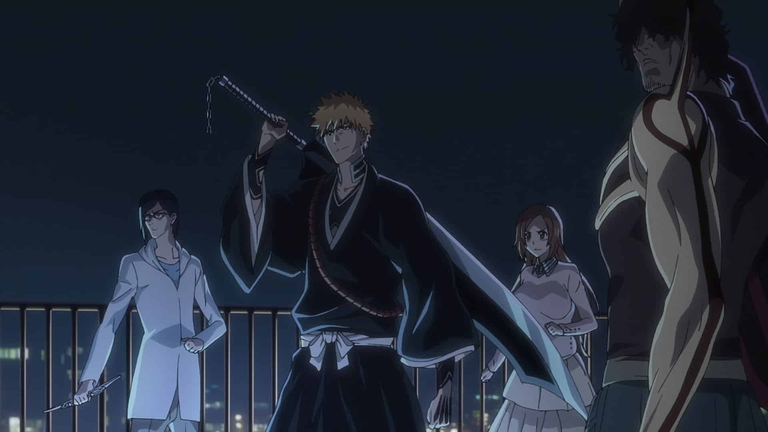
Studio Pierrot let the franchise breathe for a decade. That sounds like corporate speak for "we forgot about it," but the delay helped. Anime production pipelines in 2022 could handle the visual demands that would have broken the 2012 schedule. You see it in the first invasion when the Sternritter drop into Seireitei. The camera work actually follows the action instead of cutting to still frames.
The time gap also meant the staff could review what went wrong. The original Bleach anime died because it caught up to the manga and invented filler arcs that killed momentum. This time, Pierrot planned four cours from the start, spacing them out so the manga content could be adapted completely without original endings or padding. It's a direct continuation that respects your intelligence. You don't get "previously on" segments that eat five minutes. You get cold opens that drop you into the chaos. One analysis I read pointed out the return works specifically because of this patient approach.
How The Animation Upgrade Changes Everything
Go back and watch Ichigo vs Grimmjow from 2008. It looks good for its time but it's mostly speed lines and color swapping. Now look at Ichigo's first clash with Yhwach in the new season. The spiritual pressure has weight. You can see the debris floating from reiatsu alone. Studio Pierrot uses digital effects differently now, layering hand-drawn character art over 3D backgrounds that don't look like garbage.
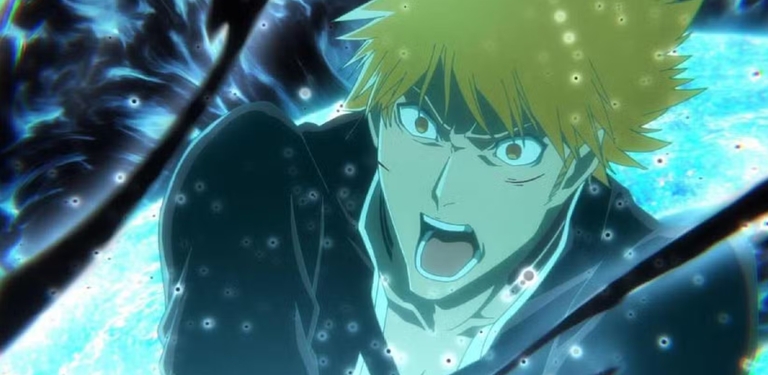
The Bankai sequences especially benefit. When Yamamoto unleashes Zanka no Tachi, the screen doesn't just turn red. You see the heat distortion, the ash particles, the way light behaves when it's that intense. Same with Rukia's Hakka no Togame. The ice effects look like they actually freeze the air instead of just being blue CGI. This level of polish matters because the Thousand-Year Blood War arc is about scale. You need to feel that these are god-level threats destroying reality, not just guys with swords yelling at each other.
The Four Cour Structure And No Filler Policy
Previous Bleach arcs suffered from the "five episode charge up" problem and random filler islands interrupting Hueco Mundo. The new structure commits to thirteen-episode blocks that end on cliffhangers. No beach episodes. No "what if everyone was in high school" alternate reality episodes. Just the war.
This matters because the manga's pacing was breakneck. Kubo was dealing with health issues and editorial pressure, so entire battles got resolved in three pages. The anime fixes this by expanding. The fight between Shunsui and Lille Barro gets extra sequences showing Shunsui's Bankai mechanics properly. Kenpachi vs Gremmy includes the meteor destruction scene with proper build-up instead of just appearing. By splitting into four parts, Pierrot gives each confrontation room to breathe without adding fake content. It's still canon, just fleshed out. According to CBR's breakdown, this staggered release schedule allowed for superior quality control.
Yhwach As An Antagonist Done Right
Aizen was cool but he was just a guy who planned ahead and had hypnosis. Yhwach is something else entirely. He's the progenitor of the Quincy race, literally immortal through soul distribution, and his power "The Almighty" lets him see and rewrite every future simultaneously. That's not just strong. That's broken in a way that requires actual strategy to beat, not just punching harder.
The anime emphasizes his cruelty better than the manga did. You see him execute subordinates for being weak, absorb their souls without hesitation, and treat the entire war as a cleanup job. His design with the black coat and multiple eyes when using full power creates this visual of a biblical plague god. Unlike previous villains who wanted to become God, Yhwach already thinks he is one. That arrogance makes his final defeat feel earned rather than cheap.
The Wandenreich And Their Disturbing Aesthetic
The Quincy army doesn't look like the Espada's gothic horror or Aizen's clean white uniforms. They look like something out of a WWII documentary crossed with occult symbolism. The Soldat wear gas masks and trench coats. The Sternritter have that commissar cap design and eugenics experiments in their backstory. This isn't subtle.
The anime leans into this hard. The color palette for their headquarters is all harsh grays and reds. When they invade Soul Society, it's framed like an occupation. The visual language tells you these guys aren't just another monster of the week. They're an organized military force with better technology and no mercy. It makes the Soul Reapers look like the underdogs for the first time since the series started.
Bankai Theft And Real Stakes
Previous arcs had fake stakes where you knew Ichigo would save everyone. Here, the Wandenreich steal Bankai from Byakuya, Komamura, Hitsugaya, and others in the first invasion. That's permanent until Urahara figures out a cure. Seeing Byakuya nearly die because he lost Senbonzakura Kageyoshi isn't just shocking. It rebalances the power scale.
The anime makes sure you feel how helpless the captains are without their ultimate techniques. Soi Fon gets her arm blown off. Toshiro gets frozen by his own stolen power. It forces characters to fight differently, using Shikai and Kido instead of relying on their big finishers. This raises tension because you know they can't just Bankai their way out of trouble anymore. The solution, when it comes, involves Quincy bloodlines and complex counter-strategies, not just "train for three days and get stronger."
Ichigo's Heritage Finally Explained
The "Heinz Hybrid" meme exists for a reason. Ichigo is part Soul Reaper from his dad, part Quincy from his mom, part Hollow from White's infection, and part Fullbringer from his mom surviving that attack. The manga explained this in a rush during the Fullbring arc epilogue. The anime dedicates proper episodes to Isshin's backstory with Masaki and how White was created.
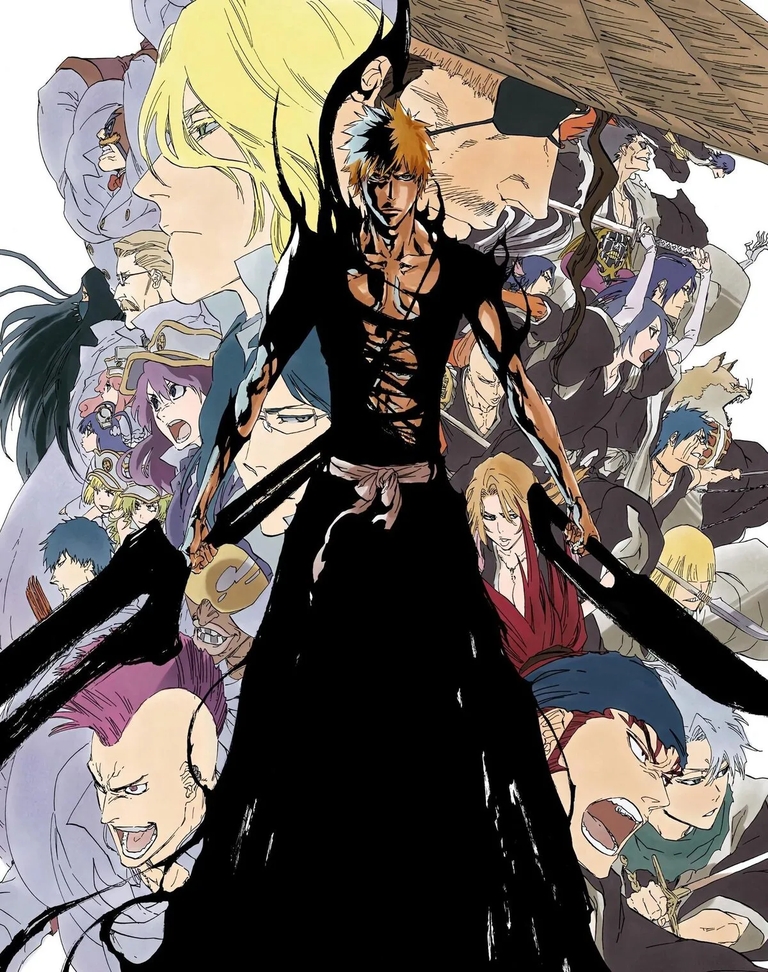
You see Ichigo forge his true Zanpakuto, which splits into two blades representing his Shinigami/Hollow side and Quincy side. The visual of him wielding both simultaneously finally makes sense of his weird power set. It's not just "main character has everything." It's a burden. The Quincy blood literally forces him to kill the Soul King against his will. That's heavy character work that the original anime never reached because it ended too early.
The Zero Squad Gets Proper Screen Time
In the manga, the Royal Guard shows up, looks cool, and gets wrecked by the Schutzstaffel almost immediately. The anime fixes this by showing their actual capabilities. Tenjiro Kirinji's hot springs that heal by replacing blood and bones get animated with grotesque detail. Senjumaru Shutara's Bankai, which wasn't even shown properly in the manga, gets a full sequence where she sews enemies into tapestries of death.
Ichibe Hyosube, the monk who names things, gets an entire episode dedicated to his fight with Yhwach where he erases Yhwach's name and reduces his power to nothing. The anime explains his power set, "Ichimonji," which controls the concept of black itself. These aren't just strong guys. They're the original protectors of the Soul King, and the anime makes sure you understand why they held that position before Yhwach's elite guard overwhelms them through hax rather than brute force.
Yamamoto's Death And The Power Vacuum
Genryusai Shigekuni Yamamoto dying isn't just a plot point. It's the signal that all bets are off. The head captain had been the ceiling for power since episode one. When Yhwach steals his Bankai and cuts him down, it proves the old guard can't win this war with old methods.
The anime stretches this sequence to show Yamamoto's history with the original Gotei 13, the bloodthirsty killers he led a thousand years ago. You see why Yhwach feared him specifically. When that history gets cut down in the present, it forces Shunsui Kyoraku to take over as head captain. His leadership style, using underhanded tricks and actual strategy, replaces Yamamoto's brute force approach. This shift in command structure reflects the theme that the Soul Society must change or die.
Kenpachi's True Power Unlock
Retsu Unohana being the first Kenpachi and a master healer was a twist in the manga. The anime expands their fight in the Muken prison into a brutal tragedy. She has to die to make Zaraki stronger because he subconsciously held back against everyone his whole life, including her.
The fight choreography shows Unohana's creepy smile as she stabs Zaraki repeatedly, healing him just to kill him again until he stops holding back. It's psychological and physical torture played as a twisted mentorship. When Zaraki finally hears Nozarashi's voice and learns his Shikai, it hits harder because you watched him kill the only person who could give him a real challenge. The anime doesn't shy away from the gore here, showing how bloody this training gets.
Uryu Ishida's Double Agent Arc
Uryu joining the Wandenreich seemed like a betrayal in the manga, but the anime adds scenes showing his internal conflict. You see him researching the Quincy history books, discovering that Yhwach caused his mother's death, and planning his revenge from the inside. His fight with Jugram Haschwalth includes added dialogue about the Antithesis power and why Uryu is the only one who can counter The Almighty.
The anime also expands his final confrontation with Ichigo, making it clear that Uryu shooting Ichigo with an arrow was actually a calculated move to set up Yhwach's defeat. It turns what looked like a brief scuffle into a strategic chess match where Uryu uses his own Voll Stern Dich against the King. This salvages Uryu's character from the manga where his motivations felt rushed.
Sternritter Characterization Vs The Espada
The Espada were cool designs with one-note personalities. The Sternritter get actual development. Bazz-B and Haschwalth's childhood friendship gets flashbacks showing why they ended up on opposite sides. Askin Nakk Le Vaar's laid-back attitude hides his genius-level understanding of lethal doses and poison. Gremmy Thoumeaux, the visionary who imagines things into reality, gets a whole episode to show how his power works before Kenpachi cuts through his imaginary meteor.
The anime adds scenes of the lower-ranked Sternritter interacting, showing the army isn't just faceless mooks. Even the female Sternritter like Candice and Meninas get extra combat sequences against Ichigo when he invades the palace, proving they aren't just background characters. This makes the war feel populated rather than just "Ichigo vs ten guys."
Anime Exclusive Scenes That Fix Plot Holes
The manga ending had problems. Some Bankai never got shown. Some characters died off-panel. The anime corrects this. Shinji Hirako uses his Bankai, Sakashima Yokoshima Happo Fusagari, which turns allies into enemies and vice versa, in the anime. It wasn't in the manga at all.
Sasakibe gets a flashback showing his Bankai, Gonryomaru, and how he actually wounded Yhwach a thousand years ago, explaining why Yhwach remembered his name. This makes Sasakibe's death in episode one feel consequential rather than just a redshirt death. TV Tropes notes that these additions are strictly "Adaptational Badass" moments that improve the story. These additions aren't filler. They're Kubo-supervised corrections that make the story whole.
The Soul King And Cosmic Horror
The revelation that the Soul King is a mutilated corpse kept in a crystal prison, missing limbs that became separate sentient beings, is straight-up body horror. The anime depicts this with disturbing clarity. When Yhwach absorbs the King and becomes the new linchpin of reality, the visuals get psychedelic and wrong in a good way.
The three worlds, Human World, Soul Society, and Hueco Mundo, start collapsing when the King dies. You see buildings floating and merging in impossible geometry. This raises the stakes beyond "save the town" into "prevent the universe from unraveling." The anime uses color grading here, turning everything sickly yellow and purple to show the world is literally rotting.
Ichibe Hyosube And The Concept Of Names
Ichibe's power sounds abstract, "the power of names," but the anime visualizes it perfectly. When he writes names on opponents, they gain those properties. When he erases Yhwach's name, Yhwach becomes a powerless "black ant." The brush strokes animate with ink splatters that look like they're damaging the film itself.
This fight is important because it establishes that there are powers beyond just spiritual pressure levels. Ichibe is technically stronger than Yamamoto because he controls the fundamental concept of identity. The anime expands this fight to show Yhwach having to activate The Almighty specifically to counter Ichibe's hax, proving that without future sight, Yhwach would have lost instantly.
Aizen's Return As The Wildcard
Sosuke Aizen showing up in the final battle shouldn't work. He's been imprisoned for hundreds of chapters. But the anime makes his temporary alliance with Ichigo and Renji feel earned. You see him mock Yhwach's perception of time while chained up, using his perfected Kyoka Suigetsu to create illusions that even The Almighty can't fully predict.
The scene where Aizen creates a fake Ichigo to take a killing blow is anime-original. It shows that even weakened and bound, Aizen is still playing four-dimensional chess. His dialogue about remaining in the darkness while Ichigo lives in the light provides closure to their rivalry without Aizen needing to be redeemed. He's still a monster, just a useful one for five minutes.
How The Almighty Actually Works And How Ichigo Wins
Yhwach's power to see every possible future and choose which one becomes real seems unbeatable. The anime explains the weakness: there are moments where all futures show Yhwach's defeat, specifically when he's using his power to alter the future, he becomes vulnerable to the present. Uryu's silver arrowhead, made from the Auswahlen that killed his mother, briefly nullifies Yhwach's powers.
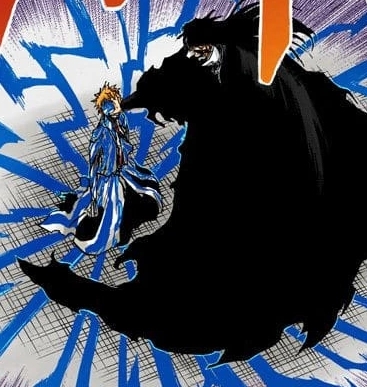
The final battle expands on the manga's abrupt ending. You see Ichigo's original Bankai, Tensa Zangetsu, get broken, then restored as a new form combining all his powers. The killing blow, a simple slash that cuts Yhwach in half, is intercut with flashbacks to every fight Ichigo ever had, showing this one strike carries the weight of the entire series. It's not about the flashiest attack. It's about timing and help from friends.
The Soundtrack Evolution
Shiro Sagisu returned for the score but didn't just reuse "Number One." The new tracks use more orchestral horror elements for the Quincy. Yhwach's theme has chanting that sounds like distorted church hymns. When the Soul Society burns, the music uses low brass that sounds like funeral marches.
The contrast between the old guitar riffs for Ichigo and the atonal strings for the Wandenreich creates auditory distinction. You know who's winning based on the music key. The audio design for The Almighty uses a ticking clock sound that speeds up when Yhwach rewrites futures, giving viewers an audio cue for when reality is getting hacked.
Where The Franchise Goes After The Final Cour
Cour four will end with the manga's conclusion, but the door is open. The one-shot "No Breaths From Hell" shows that Hell is destabilizing and former captains like Unohana and Ukitake are becoming prisoners there. The anime has already teased this with visuals of Hell's gates during the Soul King death sequence.
There's also "Burn the Witch," Kubo's other series set in the same universe's western branch. The anime could adapt the novels "Can't Fear Your Own World" which deals with Tokinada Tsunayashiro and the noble families' corruption. As Screen Rant discusses, the Thousand-Year Blood War fixed Bleach's reputation. Now Pierrot has the goodwill to adapt the side stories that actually expand the lore instead of just retelling the main plot.
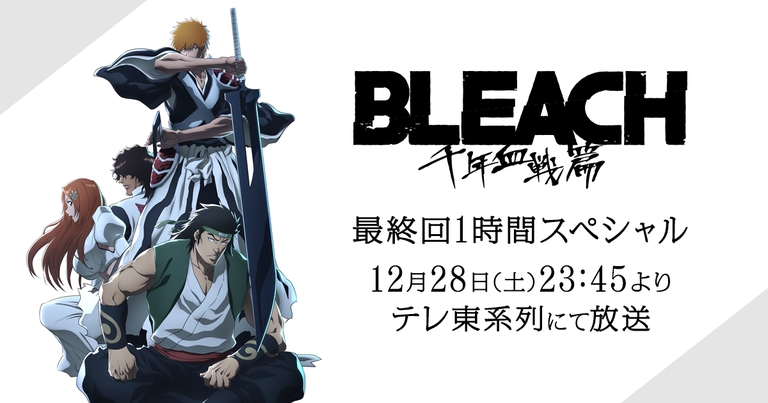
Bleach Thousand Year Blood War anime analysis comes down to this: Studio Pierrot treated the material like it mattered. They didn't just animate the pages. They fixed the pacing, expanded the fights that got rushed, and gave characters proper goodbyes. The ten-year wait turned out to be a blessing because the production values and planning reflect a studio that learned from its mistakes.
When the final cour drops and Ichigo swings that last blade, it'll complete a story that started in 2001. No other long-runner from that era got this kind of redemption arc. Naruto ended with a whimper. One Piece is still going. But Bleach got to come back, delete its filler reputation, and prove that Kubo's final arc was always solid, it just needed room to breathe. That's worth more than any Bankai reveal.