
Brynhildr in the Darkness takes a solid sci-fi premise about genetically modified witches living on borrowed time and buries it under so much inappropriate fanservice that you'll forget people are literally melting to death. The anime follows Ryouta Murakami, a high school astronomy nerd with a photographic memory who can't stop obsessing over his dead childhood friend Kuroneko, and when a transfer student named Neko Kuroha shows up looking exactly like her, things get weird fast. She saves him from a mudslide using supernatural powers, reveals she's a fugitive witch with a parasite in her neck that will kill her without daily medication, and suddenly Ryouta is running a safe house for escaped lab experiments instead of looking for aliens.
The setup sounds like it could work. You've got Elfen Lied creator Lynn Okamoto behind the story, Studio Arms handling animation (they did the original Elfen Lied adaptation too), and a concept mixing cosmic horror with survival thriller elements. These girls have harnesses installed in their necks containing slug-like alien parasites called Drassils, and if they don't take their pills every few hours, their bodies liquefy from the inside out in genuinely disturbing scenes that get censored with blinding white light on most streams. The organization that created them hunts them relentlessly, other witches with deadlier powers show up as assassins, and the whole thing takes place in Kamakura with that specific coastal town atmosphere that makes everything feel slightly claustrophobic.
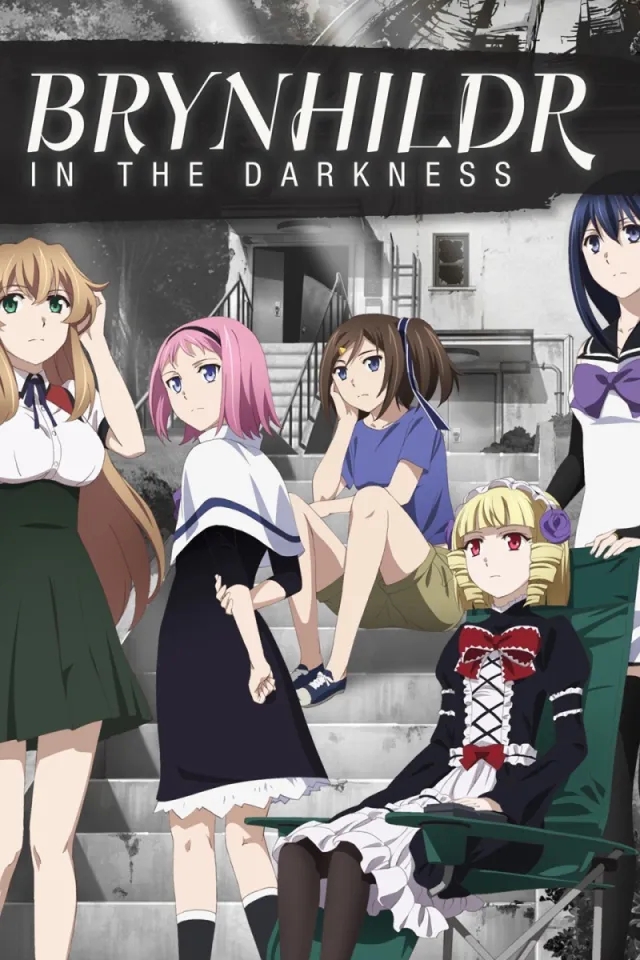
But here's where it falls apart. The show can't commit to being a horror story because it's too busy having the characters grope each other and make tired boob jokes. One minute you're watching a girl's body dissolve into goo because she ran out of medication, and the next minute there's a prolonged scene about Kazumi being insecure about her chest size while she tries to seduce Ryouta in the astronomy club room. The tonal whiplash isn't just jarring, it's insulting to the audience's intelligence. You can't ask viewers to care about child abuse and human experimentation while also expecting them to laugh at perverted misunderstandings and panty shots.
How The Witch System Actually Works
The mechanics of the harness system drive most of the tension. Each witch has a metal collar containing a Drassil, which is basically an alien parasite that grants them powers but also eats them alive without suppressant drugs. The organization that made them, supposedly connected to Ryouta's own family in a twist that comes way too late, installs manual killswitches in these harnesses too. So when enemy witches attack, the battles often end with someone hitting a switch and the opponent instantly dying as their Drassil goes active and melts them. It makes for boring fight scenes because instead of outsmarting opponents or using creative tactics, most conflicts resolve with "I pressed the button first."
The powers themselves vary by character. Neko has telekinetic abilities that manifest as super strength and destructive force but wipe her memories every time she uses them heavily. Kana is a quadriplegic goth loli who can predict deaths but can't move her body, communicating through a speech synthesizer. Kazumi is a genius hacker who can interface with technology directly. Kotori has gravity manipulation and later reveals herself as basically a walking nuclear bomb. Hatsuna shows up later with regeneration abilities that let her heal others but accelerate her own decay. Each power comes with a cost, and the show keeps introducing new girls right up until the final episodes, which means nobody gets proper development.
The whole thing reeks of Lynn Okamoto repeating himself. If you've seen Elfen Lied, you'll recognize the patterns immediately. Mysterious girls with vectors/telekinesis escaping from a facility, a protagonist who takes them in out of guilt, shadowy scientists with undefined motivations, and lots of graphic violence mixed with sexual content. Except Brynhildr doesn't have the atmospheric dread or emotional weight that made Elfen Lied work despite its flaws. The characters here feel like archetypes checking boxes rather than people.
The Norse Mythology Layer Nobody Asked For
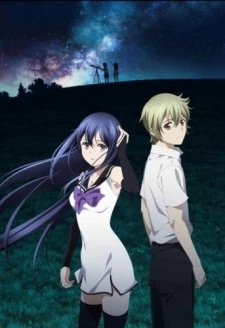
Apparently there's a whole symbolic layer referencing the Nibelungenlied and Norse mythology that the anime barely touches. Neko represents Brynhildr the shieldmaiden, Ryouta is Siegfried mixed with Mimir, and the conflict mirrors the Aesir-Vanir war where technology battles nature. Takachiho serves as a false Odin figure sacrificing everything for power, while characters like Kotori align with Idunn and Grani from the myths. The Drassil system represents Yggdrasil, the world tree, but corrupted by human science rather than divine nature.
This sounds cool on paper, and reading the manga apparently makes these connections clearer, but the anime adaptation is too busy rushing through plot points to develop any of this symbolism. The 13-episode runtime absolutely destroys any chance the story had of coherence. By episode 10 they're introducing new antagonists, by episode 12 they're revealing that Ryouta is actually a human-alien hybrid with a younger brother who's been turned into a psychic weapon, and by episode 13 they're trying to resolve an apocalypse scenario that got mentioned three episodes prior. It's a mess.
The ending, often called a "gecko ending" because it diverges from the manga to wrap up quickly, sees Ryouta and Neko sacrificing themselves to stop a giant alien entity from destroying humanity, only to get reborn or reincarnated or something in a sequence that makes no visual sense. Major questions stay unanswered. What were the aliens actually doing? How did Neko lose her memories after being unsealed if she was supposedly the same person? What happened to Kogorou and the other surviving scientists? The show ends, and you're left with a shrug.
Why The Harem Elements Kill The Horror
The biggest problem isn't the pacing or the unanswered questions, though those are bad. It's that the show thinks it can run a harem comedy subplot while girls are literally dying gruesome deaths. Kazumi's entire character arc involves her fear of dying a virgin, which leads to constant sexual harassment of Ryouta played for laughs. She's a genius hacker who can break government security systems, but her defining trait becomes "wants to sleep with the protagonist before she melts." It's reductive and gross, especially when you remember these are teenagers who've been tortured and experimented on since childhood.
Then there's the way they handle Kana. She's paralyzed from the neck down, completely dependent on others for basic care, and the show constantly makes lewd jokes about her situation. Ryouta and the other girls make comments about her body and inability to resist that cross the line from edgy to genuinely uncomfortable. The show wants credit for including a disabled character with agency (she can see the future and warns them of deaths), but undermines it by sexualizing her vulnerability constantly.
Kotori gets it too. She's introduced as this clumsy ditz with huge breasts who keeps accidentally falling on Ryouta in compromising positions, but then her backstory involves watching her family get murdered and being forced to participate in experiments that turned her into a walking WMD. The dissonance between her fanservice moments and her tragic backstory creates this sour feeling where you can't invest in either emotion. You're either laughing at the wrong time or feeling bad when the show wants you to laugh.

Production Values And That Infamous Dub
Studio Arms animated this, and if you know their reputation, you know what to expect. They made Queen's Blade and Ikki Tousen, so of course the fanservice is dialed up to eleven. The character designs are soft and generic, often compared to knockoff visual novel art, and the animation quality drops hard in the second half. Action scenes happen off-screen to save budget, and the CGI vehicles look like they're from a PlayStation 2 game.
The music is a mixed bag. The first opening theme, "BRYNHILDR IN THE DARKNESS -Ver. EJECTED-" by Nao Tokisawa, is this weird techno-dubstep hybrid that actually fits the unsettling sci-fi tone pretty well. Then they switch to "Virtue and Vice" by Fear, and Loathing in Las Vegas for the last four episodes, and it's this jarring metal track that doesn't match the show's mood at all. The ending theme "Ichibanboshi" is a generic pop song that you'll forget immediately.
The English dub has problems too. Kyle Jones directed it, and apparently he's got a reputation for making dubs sound unnatural and stilted. Emily Neves plays Neko and does fine with what she's given, but the dialogue is so awkwardly written that even good voice actors struggle. The Japanese track is superior, though neither cast can save the material they're working with.
The Manga Apparently Fixes Everything
According to people who've read the source material, the manga takes time to develop the Norse mythology connections, properly explains the alien backstory, and doesn't rush the ending. The anime adaptation tried to cram 181 chapters of manga into 13 episodes plus one OVA (episode 11.5, which you need to watch because it contains actual plot points the main series skips). That's an impossible task, and it shows.
In the manga, the relationship between Ryouta and Neko develops naturally instead of happening because the plot demands it. The other witches get backstories that don't feel crammed into single episodes. The final battle against Valkyria (Neko's "sister" who serves as the false Hel figure) makes actual sense instead of being a rushed CGI mess. If you're actually interested in this story, skip the anime and read Lynn Okamoto's original manga instead.
Why People Keep Watching Anyway
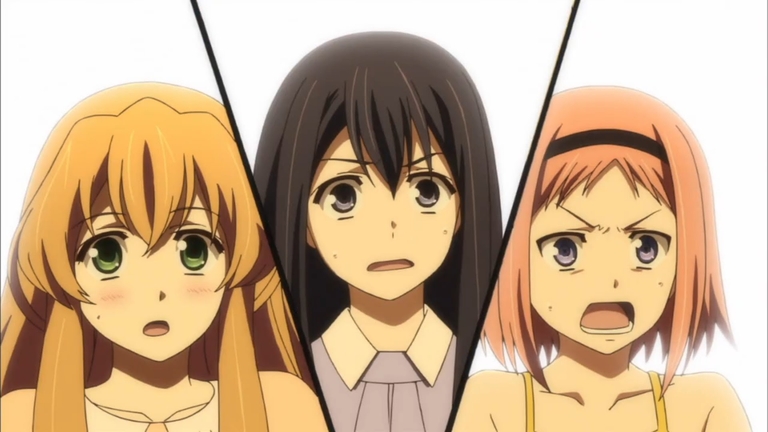
Despite all these problems, Brynhildr in the Darkness isn't totally unwatchable. The premise is genuinely interesting, and when it focuses on the survival aspects, like the girls trying to steal medication or hack government databases to extend their lifespans, it works. Ryouta using his photographic memory to solve problems is a nice change from the typical dense harem protagonist. The scenes where they use real astronomy concepts and first aid techniques show someone did their research.
There's also something compelling about the "living on borrowed time" theme. These girls know they're going to die young and horribly, and they still try to experience normal high school life. When it focuses on that tragedy, like Kotori's sacrifice or the quiet moments where they look at stars knowing they won't see next year, the show almost justifies its existence. Then someone makes a boob joke and ruins it.
The show serves as a fascinating case study in how not to adapt a manga. It has all the ingredients for a solid sci-fi thriller, but the insistence on including harem comedy tropes and excessive fanservice destroys the tone. You can't have a character graphically melt into a puddle of gore in one scene and then have panty humor in the next. It doesn't work. Your brain can't switch modes that fast.
Brynhildr in the Darkness could have been a worthy successor to Elfen Lied's legacy of dark, emotional sci-fi horror. Instead it's a cautionary tale about what happens when studio executives demand ecchi content to sell Blu-rays, even when it fundamentally conflicts with the story being told. The plot about witches escaping human experimentation deserves better than jokes about breast sizes and accidental pervert moments. If you want to experience this story properly, read the manga. If you watch the anime, go in knowing it's a rushed, censored, tonally confused adaptation that wastes its own potential at every turn.