
People think Bungou Stray Dogs is just about dropping names of dead Japanese authors and hoping you read the books in high school. Bungou Stray Dogs character analysis shows this is dead wrong. The show isn't a literature class disguised as anime. It's a study of broken people using famous names as shorthand for their specific brands of damage.
Atsushi Nakajima isn't just a tiger boy because he wrote a story about a tiger. He's a walking example of imposter syndrome who can turn into a literal monster because that's how he sees himself. The writers didn't pick random books. They matched the author's psychological profile to the character's specific trauma. When you get that, the whole show clicks into place.
The central conflict isn't the Armed Detective Agency versus the Port Mafia. That's just the background. The real fight is between Atsushi and Akutagawa, the so-called Shin Soukoku pairing that carries the emotional weight of five seasons. Everything else is window dressing.
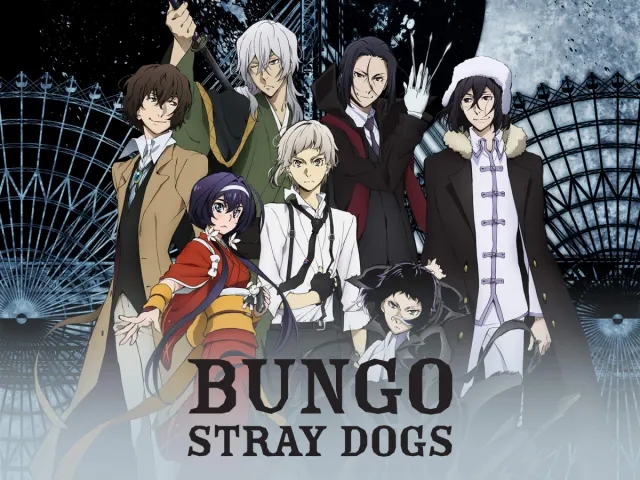
Why Shin Soukoku Is the Only Relationship That Matters
You can keep your Dazai and Chuya rivalry. The fans love that old history but the show keeps flashing forward to Atsushi and Akutagawa beating each other half to death because that's where the growth happens. They're perfect mirrors. Atsushi has the power he doesn't think he deserves. Akutagawa thinks he deserves power he doesn't have.
Atsushi's ability Beast Beneath the Moonlight lets him turn into a white tiger. Sounds cool until you realize he can't control it at first and he's terrified of hurting people. This matches his real-life author who wrote about transformation and feeling like you don't fit in. Atsushi spends the whole show asking if he has value, if he's allowed to take up space, if he's worth saving. The orphanage beat that insecurity into him and now he's got claws.
Akutagawa has Rashomon, this black fabric beast thing that tears through everything. He's angry, violent, and obsessed with getting Dazai's approval because Dazai used to be his mafia mentor. The real Ryunosuke Akutagawa was a short story writer who died young and was obsessed with human ugliness and suffering. Anime Akutagawa is the same but with more killing. He thinks might makes right because weakness got him killed on the streets before the mafia picked him up.
Put them together and you've got the classic rival energy but twisted. Atsushi saves people because he knows what it's like to need saving. Akutagawa kills people because he thinks that's the only way to prove he's not trash. Every time they fight, they're arguing about human worth using fists instead of words. Some analysis I saw online breaks down how Shin Soukoku comprises these two as the primary antagonist and protagonist respectively, serving as the central focus within the story.
Dazai Osamu Is More Than Suicide Jokes
Yeah, he tries to kill himself in every other scene and it's played for laughs. But Dazai's ability No Longer Human nullifies every other ability on contact. He can stop a rampaging tiger or shut down a gravity manipulator just by touching them. This fits because the real Osamu Dazai wrote about not feeling human, about being separate from normal people, about wanting to die because existence felt wrong.
In the show, he's the strategist who used to be the mafia's worst nightmare before he switched sides. Now he works for the Armed Detective Agency solving weird supernatural crimes. But his real job is finding a reason to stay alive. He keeps Atsushi around because Atsushi's desperate will to live reminds Dazai that maybe there's a point to all this.
Apparently, there's an academic study that looks at Dazai through the lens of depressive experiences without making them look good. He's functional, he's funny, but he's still drowning. The show doesn't cure him with friendship. It just shows him choosing to stick around another day because the agency needs him or because he wants to see how Atsushi turns out. That's more realistic than the usual anime friendship-fixes-everything trope.
The Literary Gimmick Means Something Real
Every character has an ability named after their author's famous work. Kunikida has Lone Poet which lets him write objects into existence from his notebook. The real Doppo Kunikida was a poet and teacher. Ranpo has Super Deduction which isn't even a real supernatural power, he's just that smart, because the real Edogawa Ranpo wrote detective stories.
Chuya Nakahara manipulates gravity with For the Tainted Sorrow. The real Chuya was a poet who wrote about heavy emotions and had a complicated relationship with Dazai in real life. The anime keeps that energy. They're rivals who hate each other but trust each other in combat.
Kenji Miyazawa gets super strength when he's hungry from Unyielding to the Rain. The real Kenji wrote poems about resilience and nature. The character is this pure country boy who doesn't understand city evil but can punch through concrete. It's a weird mix that works because the actor sells the innocence.
According to one breakdown, the characters' traits and abilities are frequently linked to their real-life literary inspirations, making them distinctive. The abilities aren't random superpowers. They're symbols for the author's themes made literal. When you know that Rashomon is about people being ugly and selfish, you get why anime Akutagawa is so bitter. When you know No Longer Human is about feeling separate from everyone, you get why Dazai can't connect to people normally.
The Port Mafia Isn't Generic Evil
Most anime would make the crime syndicate cartoon villains. Bungou Stray Dogs makes them survivors. Akutagawa is trying to prove his worth through violence. Chuya stays because the mafia gave him a home when he was a lab experiment. Mori, the boss, runs it like a business but also protects Yokohama in his twisted way.
The Armed Detective Agency isn't purely good either. They're vigilantes with government clearance. Fukuzawa, the president, keeps them on a leash but they still operate in gray areas. Kunikida is obsessed with ideals and gets angry when reality doesn't match his notebook. Ranpo is arrogant and looks down on normal people. Yosano is a combat medic who enjoys hurting people a little too much.
This messiness makes the characters stick. You don't cheer for the agency because they're heroes. You cheer because they're trying to be better than their instincts. One analysis I read suggests the series explores good versus evil but makes it messy instead of clear cut, examining the nature of evil and the potential for good's triumph without making it simple.
Side Characters Who Steal Every Scene
Edogawa Ranpo claims he's the greatest detective alive and he's right. He solves impossible crimes in seconds by noticing details everyone else misses. His "ability" is just extreme pattern recognition but the show treats it like magic. He wears a cape and eats candy and looks like a kid but he's the smartest person in the room.
Kenji Miyazawa shouldn't work as a character. He's too nice, too pure for a show about organized crime and suicide attempts. But his contrast with the grittier characters shows how the world breaks people differently. He stayed innocent while Atsushi got traumatized. Both are valid reactions to suffering.
Kyoka Izumi starts as an assassin for the mafia with the ability Demon Snow that kills automatically. She joins the agency later and learns she can control it. Her arc is about choosing who you want to be instead of what adults made you. It's standard but effective because the show doesn't rush it.
Even the villains get treatment. Fyodor Dostoevsky shows up later with Crime and Punishment, an ability that lets him kill people by touching them. He's a terrorist who thinks he's saving humanity by destroying it. He's creepy, smart, and genuinely scary because he believes his own nonsense.
How Abilities Change the Fighting
The battles in this show aren't just who punches harder. Atsushi has to deal with the fact that his tiger form heals him but also makes him a target. Akutagawa's Rashomon can become shields, claws, or transportation but it drains his life force if he uses it too long. Dazai can stop any ability but he has to get close enough to touch the person, which is dangerous against guys with guns.
This creates strategy. You can't just power through. Chuya throws buildings with gravity manipulation but he has limits. Kunikida has to write exactly what he needs in his notebook before he can summon it. If he runs out of pages or his pen breaks, he's done.
The rules stay consistent too. Nobody gets a random power boost because they got angry. When someone wins, it's because they used their specific ability smarter or exploited a weakness they noticed. Ranpo figures out the trick, Dazai gets close to nullify, Atsushi tanks damage and waits for an opening.
Kunikida's Specific Struggle With Reality
Doppo Kunikida carries a notebook where he writes his perfect vision of the future. His ability lets him pull those objects out into the real world. Need a gun? He wrote it down. Need a wire to trap someone? It's in the book.
The problem is reality rarely matches his notes. He wants a world that follows logic and goodness but he works with a suicidal maniac, a weretiger with confidence issues, and a detective who acts like a child. He gets frustrated because people don't fit into his neat categories.
This makes him relatable. He's the guy who had a plan for life and got stuck with chaos instead. His growth is learning that you can't write the perfect script for existence. Sometimes you have to rip the page out and improvise.
Kyoka's Escape From Programming
Kyoka Izumi killed her parents with Demon Snow when she was little. The mafia raised her as a weapon. She didn't choose to kill, her ability activated automatically when she was threatened. She thought she was cursed.
Joining the agency doesn't fix her immediately. She keeps the quiet, deadly demeanor. She eats a lot because she was starved before. She holds a phone like it's a lifeline because Atsushi gave her permission to live.
Her arc works because it's slow. She learns to turn Demon Snow on and off. She makes friends who don't care about her body count. She chooses to be a detective instead of an assassin. That's hard to write without making it look easy, but the show earns it by showing her freeze up during early missions.
Fukuzawa and Mori as Failed Fathers
Yukichi Fukuzawa runs the Armed Detective Agency like a stern dad who doesn't know how to say he's proud of you. He gives them structure, paychecks, and a reason to use their weird powers for helping instead of hurting. But he keeps emotional distance. He thinks he's protecting them by staying cold.
Ogai Mori runs the Port Mafia like a toxic father who loves his kids but will absolutely sacrifice them for the greater good. He raises killers but makes sure they're educated killers. He checks Akutagawa's health while sending him on suicide missions. It's complicated.
Both men are raising children who became weapons. Fukuzawa tries to make them human again. Mori leans into their monstrous sides. Watching them interact with their subordinates shows you exactly why the agency and mafia operate so differently.
The Guild Arc Adds American Literature
When the Guild shows up, the literary references go international. Francis Scott Key Fitzgerald has The Great Fitzgerald, an ability that lets him increase his physical stats proportionate to the money he spends. He's a rich guy who thinks cash solves everything because that's what his book was about.
Howard Phillips Lovecraft becomes a literal monster from the deep who doesn't understand human emotions. His ability is just called The Great Old One because of course it is. He's alien and scary and doesn't follow the rules of the other abilities.
These characters shake up the Yokohama power balance and force the Japanese characters to team up across agency and mafia lines. It shows that the literary theme works with non-Japanese authors too, though the focus stays on the Japanese writers for the main cast.
Ability Limitations Keep It Interesting
The writers put hard limits on powers to keep tension. Atsushi's healing factor works fast but he still feels every broken bone. If you decapitate him, he's dead, healing or not. Akutagawa's Rashomon eats his own life force when overused, which is why he's always coughing up blood. He's literally killing himself to win fights.
Chuya's gravity manipulation has a range limit. If you get too far away, you're safe. Also, if he goes too hard he triggers Corruption, a state where he becomes a singularity that destroys everything including himself. He needs Dazai to nullify him to stop it, which is why their partnership mattered.
Yosano's Thou Shalt Not Die can heal anyone from any wound but only if they're half-dead first. She has to injure them mortally to trigger the healing. That's why she's so scary in combat. She's not just a healer, she's a butcher with a medical license.
These limits mean characters can't just spam their powers. They have to pick their moments and suffer consequences.
Voice Acting That Sells the Damage
Mamoru Miyano plays Dazai with this light, breezy tone that cracks when things get serious. You hear the mask slip. Kensho Ono makes Atsushi sound perpetually exhausted and surprised that anyone cares about him. Akutagawa's voice actor sounds like he's gargling gravel and rage.
The performances make the characters feel lived-in. Dazai's laugh is fake. You can tell after a few episodes. Atsushi's screams when he transforms sound painful, not cool. The actors know these people are hurting and play it that way.
What Most Analysis Gets Wrong
People focus too much on shipping or the pretty animation. They miss that this is a show about trauma responses. Every main character is reacting to childhood damage or adult betrayal. The abilities are cool but they're just symbols for how these people cope.
Atsushi turns into a monster because he feels like one. Akutagawa uses Rashomon as armor and weapon because he can't trust anyone to protect him. Dazai nullifies others because he can't connect normally so he stops them from getting close. Kunikida writes his perfect world into existence because reality disappoints him.
When you watch through that lens, the fight scenes become therapy sessions with punching. That's why Bungou Stray Dogs lasts. It has enough style to hook you but enough substance about mental health and human value to keep you thinking.
Bungou Stray Dogs character analysis isn't about checking off literature references. It's about watching broken people find reasons to keep going. The tiger boy learns he's not a burden. The mafia dog learns strength isn't everything. The suicidal maniac finds something worth living for, even if he won't admit it out loud.
The show keeps going because these characters feel real beneath the supernatural nonsense. You remember them because their pain is specific and their growth is earned. Five seasons of watching Atsushi slowly believe he deserves to exist hits harder than any flashy ultimate attack.
Whether you care about the books or just want to see a weretiger fight a gravity manipulator, the character work holds up. That's rare in a medium that usually forgets characterization for power scaling. Here, the power is just a way to show you who they are.