
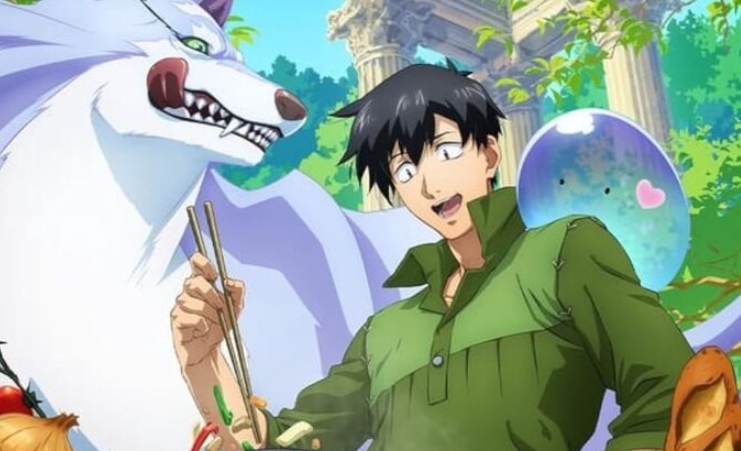
Campfire cooking in another world anime review threads usually miss the point by treating this like it's supposed to be Dragon Ball with recipes. It isn't. Tsuyoshi Mukouda gets yeeted into a fantasy dimension alongside three actual heroes but instead of getting a sword that shoots laser beams he gets what amounts to a magical Amazon Prime subscription and a camping stove. That's the whole show. He buys soy sauce and ginger from Japan while a giant wolf that could level cities hunts down dragons so they can make curry.
Some people hate this. They want stakes. They want the demon king to matter. But that's not what you sign up for here. You sign up to watch a 27-year-old salaryman explain why orc meat tastes like pork if you sear it right while a mythical beast drools behind him. It's stupid and relaxing and honest about being comfort food television.
Why The Online Supermarket Skill Works Better Than It Should
Let's get this out of the way. The "Online Supermarket" skill sounds like the laziest writing choice possible. It's literally just grocery delivery. But here's the thing, it creates actual tension because Mukouda's broke half the time and he's trying to hide this ability from nobles who would absolutely enslave him to cater their weddings. The skill lets him pull modern Japanese ingredients into a medieval fantasy setting. We're talking mayonnaise, instant dashi, Pepsi bottles the size of his torso. The salaryman premise explained makes it clear he's not a fighter. He's a guy who was commuting on packed trains and now he's trying to figure out if he can expense basil leaves to his adventurer's guild account.
The show gets weirdly technical about the economics. He has to convert fantasy currency to yen in his head. He has to worry about refrigeration and whether he can fit a cooler in his inventory. He camps in the woods not because it's fun but because he can't let people see him pulling Coca-Cola out of thin air. That's where the chill vibes discussion comes from. It's low stakes but not zero stakes. He's constantly one slip-up away from becoming the royal chef in chains or getting his stuff stolen by bandits who realize he has no combat skills.
What makes the Tondemo Skill de Isekai Hourou Meshi premise click is that Mukouda is actually smart about his limitations. He knows he can't swing a sword. He knows the king who summoned him is shady and probably plans to work the other three heroes to death fighting demons. So he bails immediately, takes the hush money, and starts a merchant business. The Online Supermarket skill becomes less about convenience and more about arbitrage. He can buy salt and spices that don't exist in this world and sell cooked meals that give people status buffs. It's a logistics simulator disguised as a cooking show.

Fel Is Overpowered And That's The Joke
Fel the Fenrir is basically a force of nature that decided to become a food critic. He finds Mukouda because he smells miso soup from three mountains away and immediately forces a familiar contract through sheer intimidation and hunger. This isn't a partnership of equals. Fel can kill everything in this world including probably the demon king but he won't because he's too busy demanding seconds of fried chicken. The detailed animation breakdown notes that Fel's design is actually imposing when he wants to be. He's huge, white fur, red eyes, looks like he should be the final boss of a JRPG. But the comedy lands because he's basically a demanding roommate who brings home raw materials and expects Michelin star service.
He hunts down a rock bird that took thirty adventurers to kill and he's like "Cook this now or I'll eat you instead." Their banter carries the show. Mukouda is terrified of Fel but also kind of annoyed because Fel doesn't understand why they can't just eat dragon steak for every meal. Fel thinks camping stoves are primitive but he also refuses to let Mukouda stay at inns because then other people might smell the food and ask for some. It's selfish and weird and genuinely funny in a way that rinse and repeat formula reviews point out never gets old even when you know exactly what's coming.
Fel also serves as the action scenes. Since Mukouda can't fight, every combat sequence is just Fel destroying things in white blurs while Mukouda hides behind a barrier. This should be boring but it's hilarious because Fel treats killing a basilisk like it's an errand. He drags the corpse back and expects praise not for the fight but for the quality of the meat. He's an ancient being who fought heroes centuries ago and now he's arguing about whether pork cutlets need more panko breading.
Sui The Slime Fixes The Power Balance Problem
About halfway through the season they introduce Sui, a slime that Mukouda feeds plastic waste to because he's a decent environmentalist I guess, and she evolves into a talking death machine that says "pew pew" before melting bandits with acid. This sounds stupid. It is stupid. It's also perfect for this isekai cooking anime. Sui starts as a garbage disposal for Mukouda's modern world trash since he can't just leave empty soy sauce bottles lying around in a forest. Then she becomes a potion brewer. Then she learns to shoot water bullets that can pierce steel armor.
Mukouda treats her like a toddler daughter while she becomes one of the strongest beings in the party. The dynamic shifts from "guy and his wolf" to "weird family road trip" and it gives Mukouda something to do besides chopping vegetables. The slime also solves the problem of Fel being too powerful in melee. Fel is close-range destruction. Sui is ranged artillery and logistics support who can also carry their tent in her body. Mukouda is the guy with the credit card. Together they form a party that can handle S-rank dungeons but would rather just set up camp near a lake and grill some fish.
The "pew pew" thing becomes a running gag where Sui gets excited about combat and starts shooting while Mukouda panics about the mess. She evolves through eating his cooking too, which means every mealtime is also potential combat training. It's ridiculous but it fits the tone of a show where the biggest threat isn't death but running out of propane for the camp stove.
The Food Looks Better Than The Fights
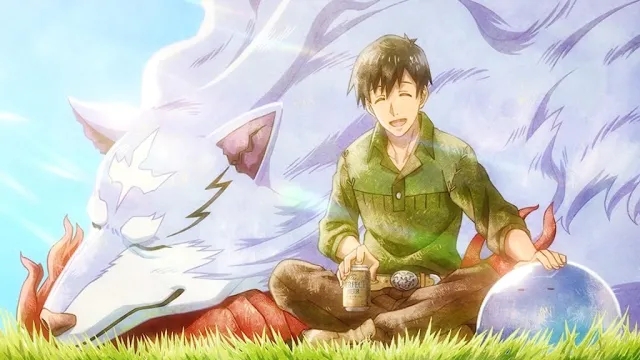
Let's be honest. MAPPA threw the animation budget at the food and left the combat to still frames. When Fel attacks something it's usually a white blur and then a dead monster lying in a crater. But when Mukouda cuts into a steak? You see every fiber. You see the juice run. You see the grill marks in 4K detail that makes you pause the episode and order takeout immediately.
The detailed animation breakdown mentions the landscapes are pretty enough, forests and lakes and standard fantasy stuff, but the real star is the cooking sequences. They use that shiny "food glow" effect that anime loves but they earn it by showing actual cooking techniques. Mukouda bastes things. He lets meat rest for exactly the right amount of time. He explains why you need to score the fat on high-level orc bacon so it renders properly and doesn't get chewy.
This is where the show separates itself from something like Food Wars which goes full shounen battle with cooking and orgasmic reaction shots. Campfire Cooking keeps it grounded. The food gives status buffs which is a game mechanic explanation for why it tastes so good to fantasy natives, but Mukouda isn't trying to win a tournament or impress a judge. He's just hungry and wants to eat well while traveling. That lack of pressure makes the food porn actually relaxing instead of stressful. You don't have to worry about the protagonist losing his job or getting expelled. You just watch him make a really good curry and it's satisfying in a way that high-stakes cooking shows sometimes fail to capture.
Yes It's Repetitive And That's Fine
Every episode follows the same pattern. Travel, hunt, cook, eat, sleep, maybe sell some loot to the guild who are always shocked by how much Fel brings back. The rinse and repeat formula is the whole point. It's slice-of-life with monsters. Some viewers call this boring. They want character arcs and political intrigue and for the demon king to show up and matter. Those viewers should watch something else because this relaxing anime is about the fantasy of having a secure job as an adventurer, a monster bodyguard who handles all the danger, and the ability to summon cold beer after a long day of walking.
It's escapism for people who are tired of escapism that requires saving the world. The pacing slows down in the middle when they hit the dungeon arc but even then it's just an excuse to have Sui join the party and for Mukouda to figure out how to cook underground mushrooms with limited spices. If you're watching this for plot progression you're going to have a bad time. If you're watching it to see a guy explain why miso paste improves fantasy world venison or how to properly tenderize giant scorpion meat, you're going to love it.
The chill vibes discussion points out that this is pure comfort viewing. Nothing bad happens to the main characters. They get richer and eat better every episode. The "conflict" is usually Fel demanding snacks or Mukouda worrying about money before remembering he can sell a dragon fang for enough gold to buy a house. It's the anime equivalent of a warm blanket.
The Gods Are Just Mukouda's Worst Customers
Late in the season Mukouda starts accidentally summoning gods by offering them cookies and desserts through his altar. These deities are basically addicts who give him massive blessings and protection spells in exchange for convenience store sweets. The Wind Goddess Ninrir is particularly annoying, constantly demanding ice cream and giving him immunity to poison and disease in return for a bag of potato chips.
This sets up Season 2 which has already been confirmed based on the ending tease that literally flashes "another serving" on screen along with a preview of their next destination. The gods add a new layer of ridiculousness because now Mukouda has divine protection but only because he's basically running a food delivery service for heaven. He doesn't want to be a hero. He doesn't want to fight the demon king. He wants to open a restaurant someday and maybe get a house with a bath.
The show's greatest trick is making you root for a guy whose life goal is to retire early and eat well. In a genre full of teenagers who want to be the strongest warrior ever, Mukouda's ambition to open an izakaya in the woods feels weirdly revolutionary. He's using his absurd skill not to conquer the world but to recreate the comfort of his old life with better ingredients and no commute.
Why Campfire Cooking In Another World Works As A Review Subject
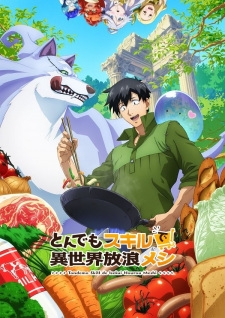
Campfire cooking in another world anime review summaries usually call this a "relaxing watch" which is code for "nothing happens" but that's selling it short. Things happen. Delicious things. You watch Mukouda go from a nervous guy hiding his skill to a confident merchant with a weird family of monsters who love him because he makes good rice balls. He builds actual relationships with guild workers and merchants who aren't just one-off characters but recurring faces who react realistically to the insane amount of high-grade meat he's selling.
It's not perfect. The side characters outside the main trio are pretty forgettable. The kingdom politics are barely there and when they show up they're usually annoying. Sometimes the animation cuts corners hard during dialogue scenes. But it delivers exactly what it promises, a chill time with good food and funny wolves. The detailed animation breakdown confirms that while this isn't MAPPA's highest budget work, they prioritized the right things.
If you need explosions and betrayal and tournament arcs where the protagonist screams about friendship for ten minutes, skip this show. If you want to watch a guy cook orc stew while explaining why mirin matters or see a giant wolf throw a tantrum because he wants seconds of tempura, this is your show. Season 2 can't come fast enough if only to see what Fel demands for dessert next and whether Sui learns to cook too.