
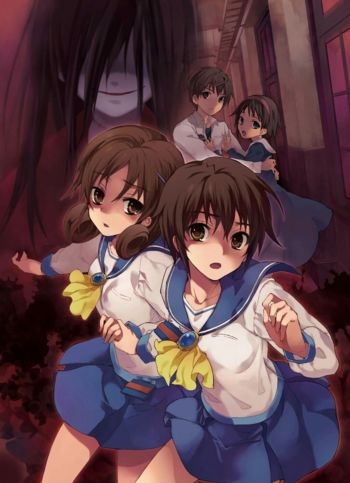
Corpse Party Tortured Souls ending explained properly requires understanding that the anime butchered the ritual mechanics from the games. People finish those four episodes confused because Satoshi's arms teleport back to the real world while the rest of him stays trapped in the collapsing school. That isn't just shock value. It happens because Satoshi used the wrong paper scrap, and the anime never bothered explaining the rules clearly enough for viewers to catch it on first watch.
The OVA crams a ten-hour visual novel into roughly ninety minutes of runtime. Characters die before you learn their names, plot points get skipped entirely, and the ending drops mechanical details that the games spent hours establishing. If you watched this without playing Blood Covered or reading the manga, you probably thought the ending was just being edgy for no reason. It isn't. It's following internal logic that the adaptation failed to set up.
What Actually Happens in the Final Minutes
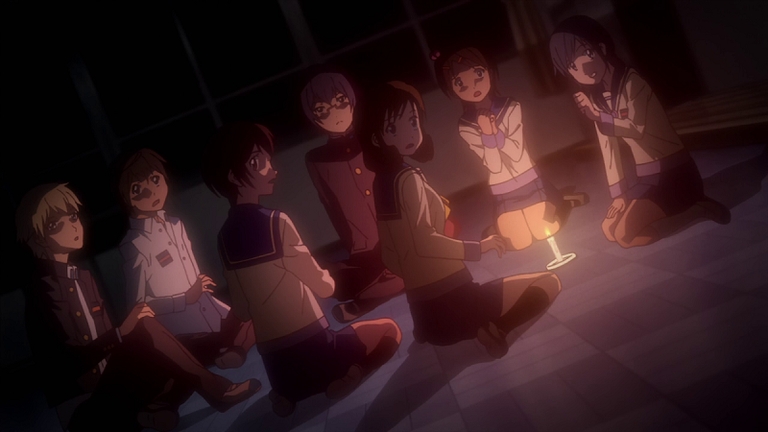
The survivors gather in the bomb shelter trying to reverse the Sachiko Ever After charm. This requires everyone to hold a scrap from the original paper doll they tore at the start. Naomi loses hers in the chaos, so Satoshi gives her his scrap and claims he grabbed Yuka's earlier. They perform the ritual. Naomi and Ayumi wake up in the real world. Satoshi doesn't. Instead, Naomi finds his arms lying on the floor, still clutching the paper, while his body presumably gets crushed when Heavenly Host collapses.
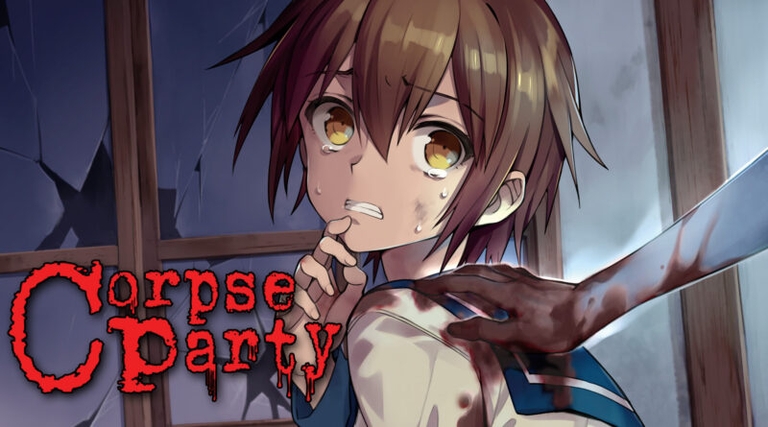
The final scene shows Naomi in therapy or a hospital, talking to her mom about a girl named Seiko. Her mom insists no one named Seiko exists. Naomi breaks down crying because she remembers killing her best friend while possessed, but the universe has erased Seiko from reality. Only the survivors remember the dead, and even then, the memories fade. Ayumi survives too, though the anime cuts away before showing her homecoming.
The Paper Scrap Problem
Here's the detail the anime glosses over. Satoshi lied about having Yuka's scrap. Yuka died in the school bathroom, murdered by Yuuya Kizami. When Satoshi found her body, he also found Yuuya's student ID nearby. He grabbed Yuuya's paper doll scrap, not Yuka's. According to fans who parsed the scene, Satoshi intentionally gave Naomi his own scrap while keeping Yuuya's for himself, thinking he could sacrifice himself to save her.
The charm requires synchronization. Everyone needs to have entered Heavenly Host together for the reversal to work properly. Yuuya wasn't part of the original Kisaragi Academy group. He entered through different means and at a different time. By using Yuuya's scrap, Satoshi tied himself to Yuuya's entry point instead of his own. When the dimensional shift happened, Satoshi got pulled in two directions at once. That's why only his arms made it back, because they were holding the paper connected to Naomi, but his body was anchored to the wrong dimensional signature.
It's brutal body horror physics, but it makes sense if you know the rules. The anime just never explains that Yuuya's scrap was the wrong one, so viewers see random dismemberment instead of a failed technical maneuver.
Why Naomi Loses Her Mind
Naomi survives physically, but the ending makes clear she's broken. She keeps asking about Seiko, insisting they were friends, but her mother tells her no such person ever existed. This happens because of Heavenly Host's memory erasure effect. When someone dies inside the school, the universe rewrites history so they never existed. Photos change, records delete, and people's memories get edited.
Naomi remembers because she survived and was holding the paper charm during the exit. But she also remembers strangling Seiko with her own hands while possessed by the darkening. She carries the guilt of murder and the isolation of being the only one who knows the victim existed. That's the real horror of the ending. Not the gore, but Naomi sitting in a room realizing she killed her best friend and can't even prove that friend was real.
Everyone Else Dies Differently
The OVA takes liberties with character deaths that annoy game fans. Yoshiki Kishinuma dies trying to save Ayumi, which isn't his worst ending in the games but isn't his true ending either. In the visual novel, Yoshiki can survive and escape with Ayumi. The anime makes him return to Heavenly Host after already leaving, then gets him killed by Yoshikazu while confessing his love. It plays as tragic sacrifice, but some fans argue it strips him of his agency compared to the source material.
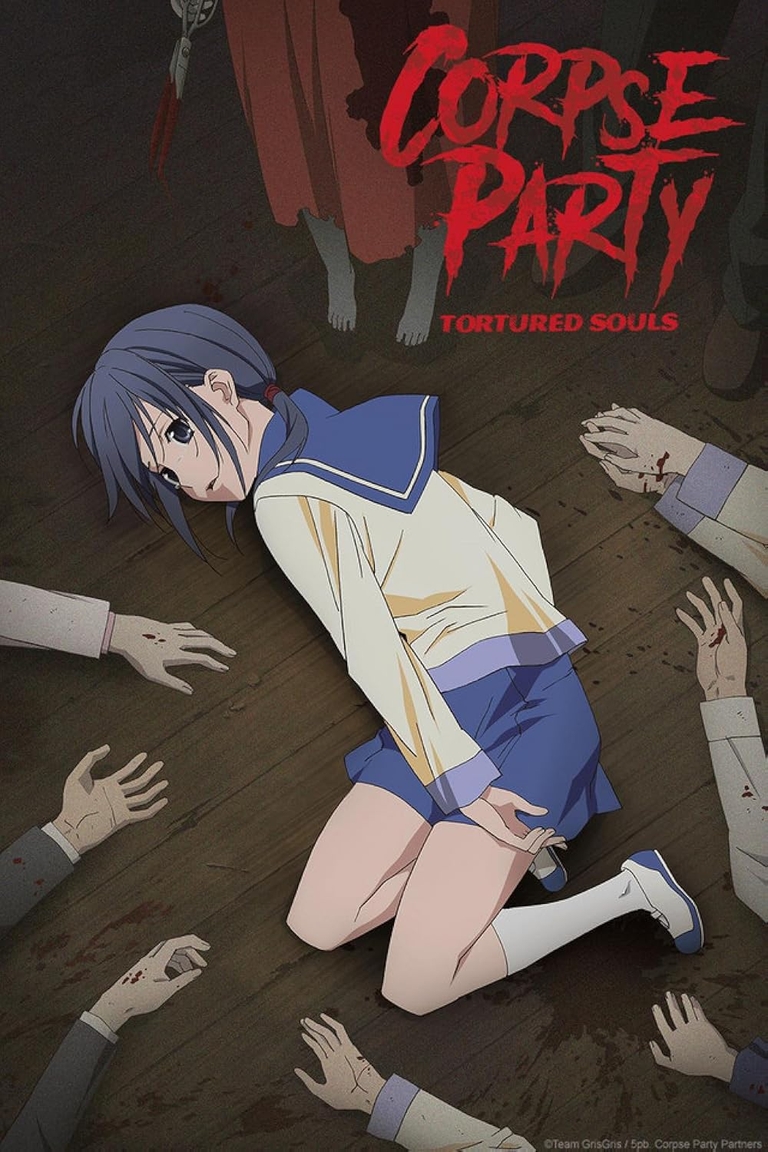
Yuka dies in the bathroom, cornered by Yuuya. Mayu gets pulverized against a wall by vengeful spirits. Morishige jumps out a window after realizing the meat he's been photographing is Mayu's remains. Yui, the teacher, gets beheaded by falling debris while trying to protect Ayumi. The body count hits nearly everyone except the two girls who make it to the final ritual.
How the Anime Betrays the Game's True Ending
In Corpse Party Blood Covered, the true ending sees Satoshi, Naomi, Ayumi, Yoshiki, and Yuka all escaping alive. The ritual works because everyone has the correct paper scraps. Satoshi doesn't need to sacrifice himself. The group returns to Kisaragi Academy with their memories intact, though they still have to deal with the trauma and the fact that their other friends are erased from existence.
Tortured Souls changes this to be crueler and more compact. The four-episode runtime forced the writers to kill characters who should have lived. Yoshiki's death in particular feels rushed, happening in the final episode with little buildup. The anime prioritizes shock over coherence, which is why the paper scrap mechanics feel like an ass-pull rather than established lore.
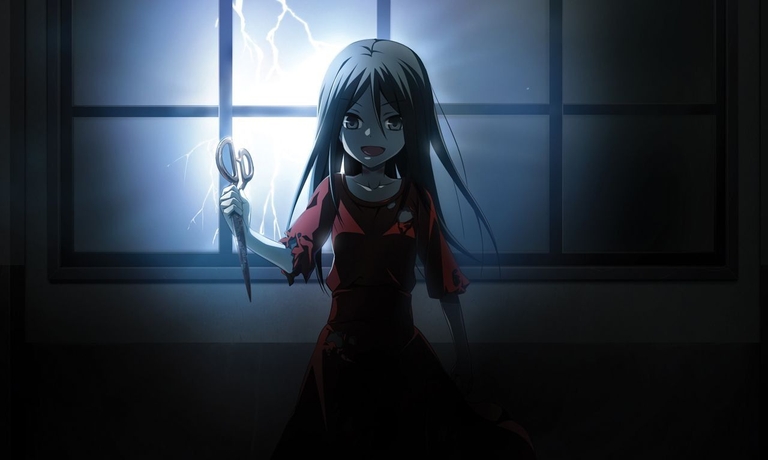
The OVA also skips the appeasement of the three child spirits, which is crucial in the games for weakening Sachiko's hold on the school. Without that context, the final confrontation feels like the characters just got lucky rather than actively solving the mystery.
The Four Episode Crunch
The biggest problem with understanding the Corpse Party Tortured Souls ending is that the show moves too fast. It adapts multiple chapters of a visual novel where players spend hours reading documents, finding clues, and understanding the rules of the Sachiko Ever After charm. The anime throws characters at you, kills them, and moves on before you understand why they mattered.
Reviews consistently point out that this pacing destroys the emotional impact. Seiko's death hits hard because you see Naomi's reaction, but other deaths happen so fast they become visual noise. By the time you reach the ending with Satoshi's arms, you're either numb or confused.
The ending needed either another episode to explain the scrap mechanics or clearer dialogue during the final ritual. As it stands, most viewers finish thinking the writers just wanted a gross final image. They did, but there was supposed to be logic behind it.
Why the Memory Rules Make It Worse
The final gut punch isn't Satoshi's death. It's Naomi's realization that Seiko is gone from reality. The Corpse Party universe operates on rules where dying in Heavenly Host means you get retroactively erased from the world. Your parents forget they had a child. Your photos disappear. Your seat in class becomes empty in everyone's memory.
This means Naomi returns to a world where she has no evidence of the trauma she endured. She can't prove Mayu existed. She can't prove Yuka died. She can't even prove Satoshi died, since his arms probably vanished too once the dimensional pocket closed. She's alone with her guilt, and the anime ends with her dissociating in a hospital room.
Ayumi survives too, but the anime doesn't show her aftermath. In the games, Ayumi and Naomi return home together and try to cope. The OVA leaves Ayumi's fate ambiguous after the ritual, focusing solely on Naomi's breakdown. It's a choice that emphasizes isolation over camaraderie, fitting for a series this bleak.
The Sachiko Problem
Sachiko Shinozaki gets appeased in the end, which closes the school. The survivors perform the reversal charm, which works for Naomi and Ayumi because they have the right papers. But the anime never explains why Sachiko accepts the appeasement after being so murderous for four episodes. In the games, you gather her tongue and other items to calm her spirit. The anime shows them finding her body and the tongue, but skips the ritual details.
Without the appeasement context, the ending feels like the school just collapses because the plot needs it to. The game explains that appeasing Sachiko weakens the dimensional anomaly enough for the exit to form. The anime treats it as automatic once they find her corpse.
Is It Canon?
Corpse Party Tortured Souls operates in a weird space. It's an adaptation of Blood Covered, but it uses elements from different endings. Some characters die in ways that only happen in bad endings of the game. Others survive longer than they should. The ending with Satoshi's dismemberment is anime-original, created specifically for the OVA.
Most fans consider it a "what if" timeline rather than the definitive story. The true canon follows the game's true ending where most of the main cast survives. Tortured Souls is what happens when everything goes wrong, which fits the title but frustrates people looking for the full story.
If you want the real ending explained properly, you need to play Corpse Party Blood Covered or read the manga adaptation. The anime is a highlight reel of deaths with the framework of a plot. It looks cool and disturbing, but it sacrifices the mechanical clarity that makes the ending work logically.
Final Thoughts on the Ending
Corpse Party Tortured Souls ending explained comes down to this. Satoshi tried to save Naomi by giving her his paper scrap while using a dead man's scrap for himself. The dimensional shift tore him apart because the papers weren't synchronized. Naomi and Ayumi made it home. Everyone else died in ways that erased them from reality. Naomi remembers everything and goes crazy because she killed her best friend and no one believes the victim existed.
It's a downer ending that relies on mechanics the show never explained. The dismemberment isn't random cruelty. It's the result of Satoshi's sacrifice going wrong because he didn't have the right materials. Understanding that makes the ending slightly less nihilistic, but only slightly. Everyone still dies or suffers, and the surviving girls carry scars that will never heal.
The anime works as a gore showcase but fails as a coherent narrative. If you finished it confused, that isn't your fault. The adaptation assumes you already know the rules from the games. Without that background, the ending looks like meaningless shock horror instead of the tragic result of failed magic and desperate choices.