
Dan Da Dan anime review and potential discussions keep getting stuck on the genital jokes and missing the bigger picture about what makes this production special. Science SARU threw every technique they knew at adapting Yukinobu Tatsu's manga, creating a show that moves so fast you don't have time to breathe let alone complain about the pacing. People get hung up on whether the sexual humor ruins the experience or if Turbo Granny is just too crude, but they're looking at the wrong parts of the machine. This series captures a specific energy that most modern anime lost somewhere between committee meetings and merchandise deadlines, the raw feeling of not knowing what insane thing happens next.
The show follows Momo Ayase, a girl who believes in ghosts but thinks aliens are stupid, and Ken Takakura (called Okarun), a nerdy outcast who believes in aliens but thinks ghosts are fake. They make a bet to visit each other's spooky spots, which goes wrong immediately when Momo gets abducted by the Serpo aliens and Okarun gets cursed by a spirit called Turbo Granny. This setup sounds like a bad joke but it works because the studio commits to every bizarre beat without apologizing for it. You're either on board with a ghost that steals testicles or you aren't, and the show doesn't waste time trying to convince skeptics.
What Science SARU Pulled Off With This Animation
Science SARU didn't hold back here. They took the manga's chaotic energy and turned it into something that looks like nothing else airing right now. The movement isn't just fluid, it's aggressive. Characters don't just run, they slam into frames with weight and momentum that makes you feel the impact through the screen. I saw some data that said viewers noticed the difference immediately when comparing it to shows like Jujutsu Kaisen or My Hero Academia, and they're right. This isn't polished corporate anime, it's got teeth and rough edges that make the action feel dangerous.
The color work deserves special mention. One episode goes almost entirely greyscale until a burst of red at the climax, a choice that risks looking pretentious but lands because the story earns that visual shift. They use negative space and speed lines in ways that feel retro but fresh, like they're borrowing from 90s OVAs without the budget constraints. When the Flatwoods monster shows up or when Acrobatic Silky stretches her limbs, the animation gets weird in the best way, bending anatomy and physics until you're not sure what you're looking at but you can't look away. The frame rate drops during certain impacts to create a stuttering effect that makes punches feel heavier, a technique that could look like a mistake if the timing wasn't perfect.
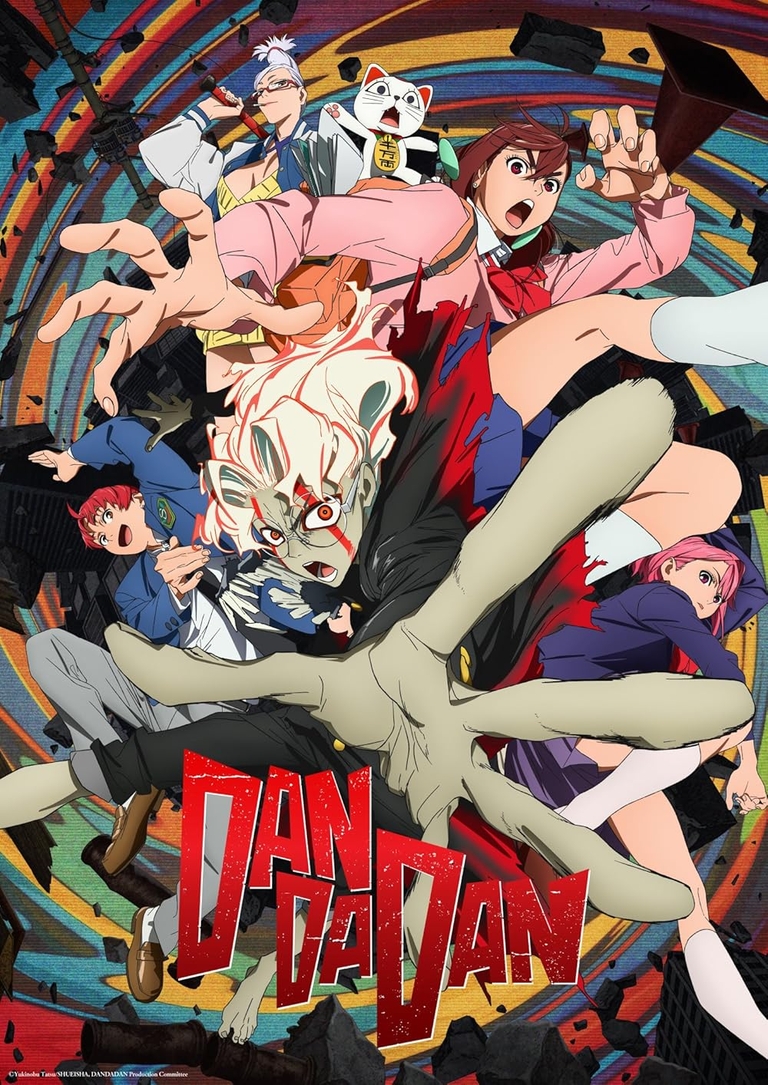
The backgrounds aren't just static either. They warp and breathe during psychic sequences, creating a sense that reality itself is becoming unstable. Science SARU uses digital effects sparingly but effectively, blending them with hand-drawn chaos so you can't always tell where one ends and the other begins. This matters because it keeps you immersed in the madness rather than pulling you out to admire the technical skill.
The Turbo Granny Mess Everyone Misunderstands
Turbo Granny isn't just a gross-out gag about a spirit stealing Okarun's testicles, though that's what the headlines focus on. The curse creates real stakes because Okarun loses control of his body in specific ways that force Momo to protect him while he protects her. Their dynamic works because they're both vulnerable in different ways. When Turbo Granny takes over, Okarun becomes a speed demon with terrifying strength, but he's also literally missing parts of himself that he needs to get back. The rules of the possession are consistent and create interesting limitations, he can only maintain the transformation for short bursts before the spirit tries to fully consume him.
The sexual humor gets criticized for being juvenile, and yeah, some of it is. But the show doesn't treat sexual assault lightly even when it uses it for shock value in the first episode. The Serpo aliens are creepy because they represent a violation, and the show frames them as genuine threats rather than jokes. It's uncomfortable because it's supposed to be. That said, the constant dick jokes do get old if you're not into that specific brand of humor, and I get why some people drop the show after episode one. Reviews point out that the sexual content continues beyond the premiere, so if that's a hard line for you, this isn't your show.
What people miss is how the curse drives the plot mechanics. Okarun's missing 'family jewels' function as powerful artifacts that various yokai and extraterrestrials want to steal or use. This turns his body into a battleground and a macguffin simultaneously. The comedy comes from the absurdity of the situation, but the drama comes from the real danger this puts both characters in. When Okarun transforms partially and can't control his actions, there's genuine tension because you don't know if he'll hurt Momo accidentally.
Those Alien Designs Hit Different
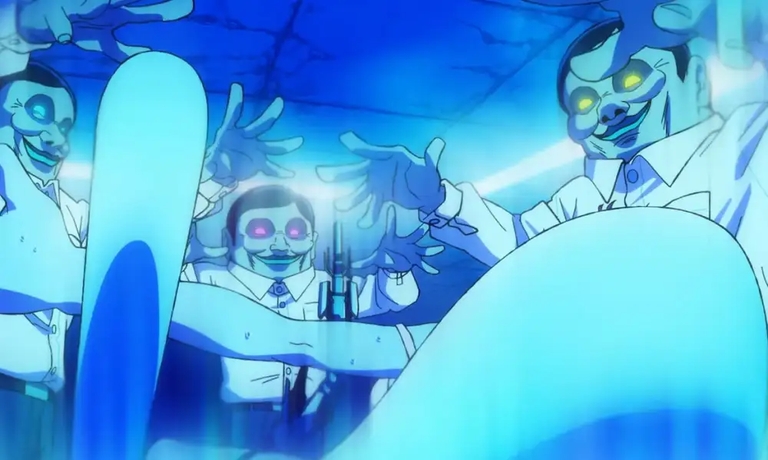
The Serpo aliens look wrong in a way that sticks with you. They resemble Junji Ito drawings come to life, with their stretched faces and mechanical movements. When they surround Momo in that first encounter, the body horror elements kick in hard. These aren't cute Star Trek aliens, they're invasive and biological in ways that make your skin crawl. Their fingers are too long and their heads are shaped like upside-down teardrops, creating an uncanny valley effect that works because they move with jerky, stop-motion style animation that suggests they aren't quite bound by normal physics.
The supernatural creatures get equal attention. Acrobatic Silky isn't just a monster of the week, she's a tragedy wrapped in long limbs and hair that moves like water. The design tells her story before she speaks a word. When the show introduces the Flatwoods monster later, it shifts from ghostly horror to sci-fi creature feature seamlessly, proving the art team can handle whatever genre the story throws at them. The creature has these glowing red eyes and mechanical movements that contrast sharply with the organic fluidity of the ghosts, establishing a visual language that separates the alien threats from the spiritual ones.
Episode Seven Drops a Bomb
Halfway through the season, episode seven stops the jokes and tells Acrobatic Silky's backstory, and it hits like a truck. This isn't filler, it's the moment where you realize the show has been building to something heavier than alien fights and cursed grannies. The animation during her memories uses a different palette, softer and sadder, showing Silky as a human woman who lost her daughter. The way the episode transitions from horror to heartbreak without feeling manipulative proves the writers know what they're doing.
This is where the potential of the series becomes clear. If they can maintain this balance between absurd comedy and genuine emotional weight, season two could be something special. The manga has more arcs that hit this hard, and if Science SARU gives them the same treatment, we're looking at a show that could define the next few years of anime discussions. The pacing of this particular episode slows down deliberately, letting the silence hang in a way that the rest of the series doesn't, showing the staff can handle subtlety when they want to.
The Romance They Didn't Screw Up
Momo and Okarun's relationship develops slowly through shared trauma and mutual protection. It's not the typical anime romance where the guy accidentally grabs a breast and gets punched into the sun. Okarun is genuinely awkward but kind, and Momo is tough without being tsundere. They save each other repeatedly, and their attraction builds from respect rather than forced proximity. When Momo uses her psychic powers to shield Okarun during his transformations, there's a tenderness to it that contrasts with the violence surrounding them.
The show handles their intimacy carefully. When they get close, it matters because they've earned that trust. This is rare in shonen adaptations where romance usually gets sidelined or botched. Here, the relationship is the engine driving the plot forward alongside the supernatural elements. Their banter feels natural because it's rooted in their conflicting worldviews, neither one fully gives up their skepticism about the other's beliefs even as they fight ghosts and aliens together.
Sound Design That Matches the Chaos
Kensuke Ushio's score keeps up with the visuals without drowning them out. The William Tell Overture remix shouldn't work as well as it does, but it turns the Flatwoods fight into something epic. Creepy Nuts provided the opening track, and it's the kind of song that makes you sit through the credits every time. The sound effects during the psychic battles and alien encounters have this crunchy, analog quality that makes everything feel more physical, like you can hear the bones rattling when Okarun slams into a wall during a Turbo Granny possession.
The voice acting in both Japanese and English dubs brings something different. Natsuki Hanae plays Okarun's panic perfectly, while the English dub captures the banter in ways that feel natural rather than translated. You can watch either version and get the full experience, which isn't always true for anime dubs. Critics have noted the exceptional quality of both voice casts, and they're right to highlight how the delivery sells the comedy without undercutting the horror.
Why This Isn't Your Standard Battle Shonen
Most battle shonen anime follow a pattern: introduce power system, training arc, tournament, escalation. Dan Da Dan throws that playbook out the window. There are no training montages where characters power up over weeks. Momo and Okarun get their abilities immediately and have to figure them out while fighting for their lives. The power system isn't rigidly defined with levels and ranks, it's messy and organic, fitting the show's tone.
The pacing refuses to slow down for exposition. Information comes at you through dialogue during action sequences or through visual storytelling that doesn't hold your hand. This creates a disorienting effect that mirrors what the characters are experiencing, they're just as lost as you are when the Serpo aliens show up or when Turbo Granny explains the rules of the curse. Analysis shows that this approach lets the show explore deeper themes without getting bogged down in lore dumps, keeping the energy high while still delivering character development.
The Streaming Accessibility Factor
The show dropped on Netflix and Crunchyroll simultaneously, which meant everyone could watch it legally without hunting for shady sites. This availability drove the hype cycle harder than usual because people could share clips and memes without worrying about paywalls or regional locks. The opening went viral immediately because it was accessible, not locked behind a Funimation subscription or a Japanese-only broadcast.
This wide release also meant the show reached audiences who don't normally watch seasonal anime. People who haven't kept up with the medium since Attack on Titan or Demon Slayer found this in their Netflix recommendations and got pulled back in. The algorithm helped, but the show's immediate visual punch is what kept them watching past the first episode. Data suggests that this global accessibility is a major driver of the show's popularity, putting it in front of eyes that wouldn't have sought it out on niche platforms.
Dan Da Dan Anime Review and Potential Going Forward
The first season ends on a cliffhanger that sets up bigger threats and introduces Jin Enjoji (called Jiji) and Aira Shiratori properly. These additions could dilute the focus or expand the world in interesting ways depending on how Science SARU handles the adaptation. The manga source material gets wilder from here, with multidimensional travel and more complex curses that test the animation team's limits. If they can maintain the visual quality while adding more characters to the mix, season two will surpass the first.
The risk is that the show becomes too crowded or loses the tight focus on Momo and Okarun. But if they maintain the animation quality and don't shy away from the darker moments, the next batch of episodes could solidify this as a classic. The foundation is solid, and the studio has proven they can handle the tonal shifts required by the source material.
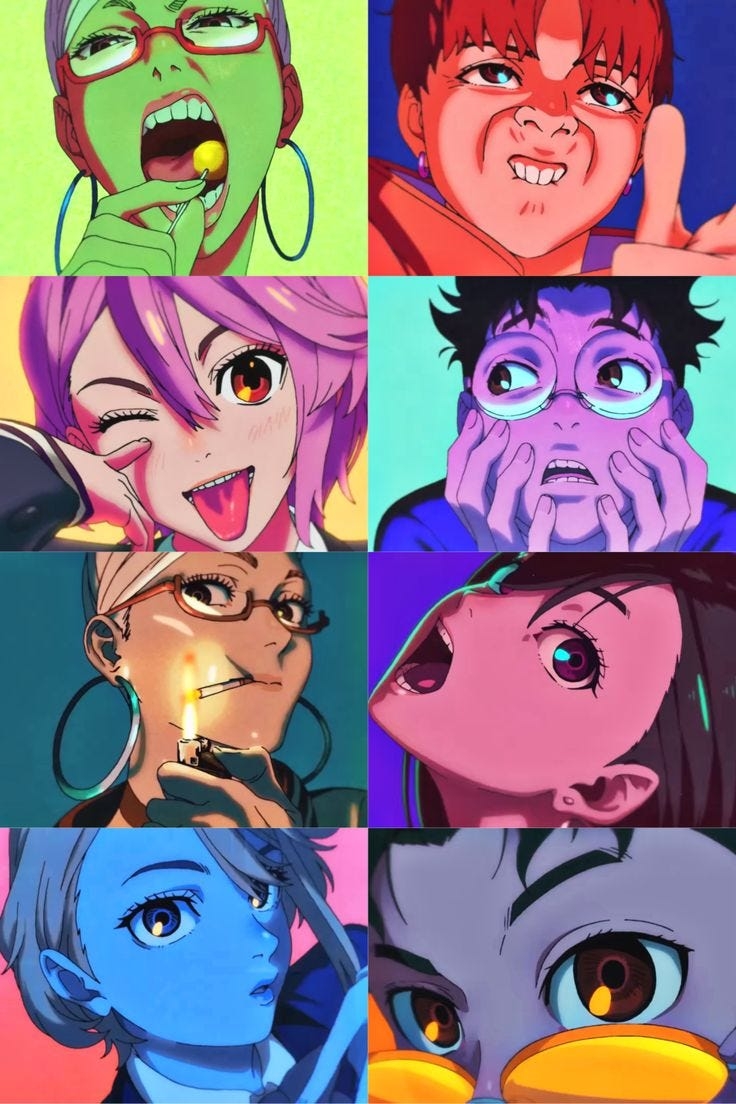
Dan Da Dan anime review and potential discussions need to focus on what this production represents for the medium rather than getting stuck on the crude jokes. Science SARU proved you can make a mainstream hit that looks dangerous and moves like a freight train without sanding down the edges. The sexual humor will always be divisive, and some people will never get past the Turbo Granny premise, but those who stick around find something rare: a show that trusts its audience to keep up.
The potential here isn't just about whether season two will be good. It's about proving that anime can still surprise us with visual inventiveness and emotional honesty wrapped in the weirdest package possible. If more studios take risks like this, we might get out of the current cycle of safe adaptations. Dan Da Dan isn't perfect, but it's alive in a way that most series aren't, and that matters more than playing it safe ever could.