
Dorohedoro controversy and confusion explained properly requires admitting most anime-only watchers finish the season with zero clue who Caiman really is. They think he's a guy with a lizard head who likes gyoza and that's it. That's not even scratching the surface of the mess Q Hayashida created, and MAPPA's adaptation only covers about a third of the real story before slamming into a brick wall. If you finished the anime wondering why half the characters seemed to have multiple names or why the ending felt like it stopped mid-sentence, you're not stupid. The show just didn't give you the tools to understand what was happening.
I've seen people online arguing about the symbolism and the themes like this is some art house flick. It's not. Dorohedoro is a punk rock murder mystery that gets bogged down in its own lore, and the anime cleans up some of the rough edges while cutting out the parts that make the ending make sense. You can't understand the controversy around the finale or why people get into screaming matches about Caiman's identity without reading the manga, which is annoying because the anime is solid on its own until it isn't. The confusion stems from three main things. The adaptation stops at what fans call the prologue. MAPPA removed religious imagery that becomes important later. And the protagonist is technically three different people inhabiting one body, but the anime hints at this so vaguely that most viewers miss it entirely.
The Three Heads Inside Caiman's Body
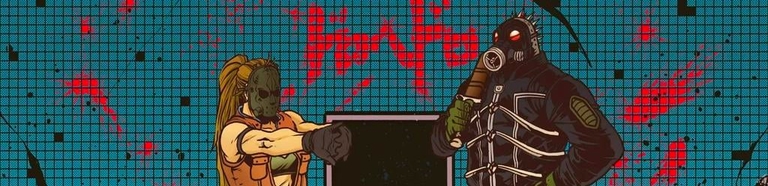
Let's get the big one out of the way first because this is where 90% of the confusion starts. Caiman isn't Caiman. The lizard-headed guy you follow around eating gyoza and hunting sorcerers is a meat puppet hosting a war between two other dudes. There's Aikawa, the original owner of the body who was a normal magic user. Then there's Kai, the Cross Eyes boss who did some body horror magic to insert himself into the same headspace. The anime hints at this with the little man inside Caiman's mouth who judges whether people are the sorcerer who cursed him, but they never explain the mechanics clearly enough.
The manga spends entire chapters showing how Aikawa and Kai switch control, how their memories bleed together, and how Caiman as a personality is basically a defense mechanism created by trauma. Anime-only viewers see Caiman acting weird in the final episodes, maybe catching that he has a different voice sometimes, but they don't get the full picture. People who read the manga explain this identity split way better than the show does, breaking down how Kai is the main villain using Aikawa's body as a vehicle while Caiman is the innocent bystander personality trying to survive. When the anime ends with Caiman seemingly dying or transforming, viewers don't realize they're watching the final stages of Kai taking complete control, which makes the cliffhanger feel random instead of inevitable.
This triple identity thing isn't just a gimmick. It drives the entire plot. The reason Caiman can't remember his past isn't because of amnesia. It's because the body keeps switching drivers. Aikawa surfaces sometimes and tries to warn people, Kai suppresses everything to maintain his infiltration of the Hole, and Caiman just wants to eat dumplings and find the truth. The anime compresses this into a few cryptic scenes because explaining it properly would require another six episodes minimum.
What MAPPA Removed and Why It Matters
The anime adaptation by MAPPA is gorgeous in terms of background art and fight choreography, but they gutted some weird stuff from the manga that seems minor until you realize it affects the world-building. [Reddit users noticed](https://www.reddit.com/r/Dorohedoro/comments/vwuy2t/why_did_mappa_take_out_so much_of_the_satanic/) that the studio removed most of the Satanic imagery and cult references that appear constantly in the source material. In the manga, the Cross Eyes worship devil imagery, perform ritualistic killings, and there's way more body horror involving religious symbolism. The anime keeps the violence but sanitizes the spiritual aspects, probably to avoid controversy in international markets, but this makes the Cross Eyes seem like generic gangsters instead of the apocalyptic death cult they actually are.
They also censored the nudity in ways that hurt the story. Female characters in the manga have visible nipples and the art emphasizes how magic users view their bodies as temporary vessels, making casual nudity part of the culture. The anime turns breasts into featureless bumps that confuse viewers about whether characters are even human. One person mentioned they thought Noi was wearing a full bodysuit until they read the manga and realized she was just topless half the time because sorcerers don't care about clothing the way Hole dwellers do. This isn't about being horny. The casual approach to bodies versus the horror of Caiman's transformation is a central contrast that the anime softens.
The soundtrack gets praise for being this weird industrial noise mess that fits the setting, but even there MAPPA played it safe compared to the manga's tone. The source material gets way more experimental with page layouts and visual storytelling that just doesn't translate to motion, but the censorship of religious elements specifically damages the ending because the final conflict involves literal devils and hell dimensions that the anime sets up poorly.
Why the Anime Ending Feels Broken
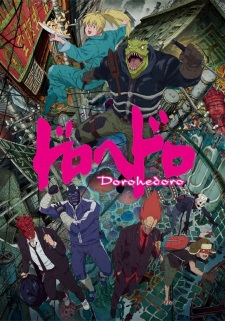
If you finished season one feeling like you missed something huge, you did. The anime adapts roughly the first 40 chapters of a 167-chapter manga. It ends at what readers call the end of the prologue. All the stuff you've been waiting for, who cursed Caiman, why the Cross Eyes are collecting heads, what the Devils really want, none of that gets resolved. The anime stops right when the story shifts from a monster-of-the-week format into the actual war between dimensions.
Discussions about the manga ending reveal that even people who read the whole thing find the finale controversial, but anime-only viewers are left completely in the dark about basic mechanics. They never learn how smoke production really works, why some sorcerers are born without powers, or what the Black House really is. The final episodes introduce characters like the Store owner and the mystery of the knives without explaining that these are universe-ending weapons. Viewers think they're watching a cool fight scene when they're actually watching the setup for a cosmic horror finale that never comes.
The confusion peaks when Caiman's head starts changing back to human and then doesn't. The anime implies he might be getting cured, but manga readers know this is the moment Kai fully awakens and the Caiman personality gets buried. Without knowing about the body-sharing situation, the ending just looks like the writers gave up. It's not a conclusion. It's an advertisement to buy the books, but it doesn't tell you that, so people finish the show angry.
The Smoke System and Why Nobody Explains It
One of the most annoying things for new viewers is that nobody ever sits down and explains how magic works. Sorcerers produce black smoke from their hands and fingers that does different things depending on the user, but the rules are fuzzy. Some people can use their smoke once a day, others can spam it, and there's no clear explanation why until you read deep into the manga about how smoke is literally produced by a second organ in their bodies that they can train and strengthen.
The anime shows En producing massive mushroom clouds that transform people into mushrooms, and Shin cutting people without touching them, but it doesn't explain the economy of smoke. Powerful sorcerers sell their smoke to weak ones. There's a whole black market. The Cross Eyes are gathering specific types of smoke to create a resurrection ritual. Devils don't use smoke at all. They use something older and worse. None of this makes it into the anime clearly, so when characters start throwing around terms like "black powder" or "curse" in the final episodes, it sounds like nonsense.
Even the door system gets confusing. Sorcerers create doors out of their bodies to travel between the Hole and their world, but the rules for who can go where change based on plot convenience. Sometimes magic doesn't work in the Hole, except when it does. Sometimes the doors spit people out in random locations. The manga eventually explains that the Hole is literally cursed ground that rejects magic, but the sorcerers are evolving resistance, which is why En can build his mansion there. The anime mentions none of this, leaving viewers wondering why En doesn't just nuke the place from orbit if he's so powerful.
The Manga Ending Problems
Even if you read the manga, the ending frustrates people. The final two volumes drag on forever with repetitive fight scenes in the Black House that feel like Q Hayashida didn't know how to wrap things up. One reader pointed out that the constant switching between indoor and outdoor locations during the final battle makes no sense tactically, and the inclusion of Store's Knife as a plot device slows down the action rather than raising stakes. People wanted more aftermath and character resolution, not another ten chapters of "oh no the villain survived again."
The Gyoza stuff that seemed like a cute running gag turns out to be central to Kaiman's identity, which annoys some readers who felt it undermined the serious horror elements. The final reveal that everything ties back to dumplings and friendship feels tonally weird after hundreds of pages of graphic dismemberment. Plus, several characters get definitive endings that feel rushed, while others just sort of wander off. Fujita survives everything but gets no closure. Nikaido's time travel complications get hand-waved. The Cross Eyes members who aren't Kai get relegated to background scenery.
Still, at least the manga ends. The anime doesn't even get to the bad parts. It stops right when things get interesting, which is the real crime here. MAPPA did a beautiful job with the visuals and the voice acting is perfect, but they only adapted the setup. Reviews mention how the unique tone and characters carry the show, but they can't carry it through an ending that doesn't exist.
Should You Even Bother
If you're confused after watching Dorohedoro, that's normal. The show throws you into a garbage dump world with zero exposition and expects you to keep up while lizard men bite people's heads and a guy in a gas mask plays baseball with a severed head. It's messy on purpose. But the confusion about Caiman's identity isn't messy art, it's incomplete adaptation. The censorship of religious elements isn't stylistic choice, it's corporate caution. And the ending isn't ambiguous, it's just unfinished.
You want the real story, you have to read the manga. It's 23 volumes of grotesque beautiful chaos that explains every weird detail, from why the sorcerers wear those outfits to what the Devils actually are. The anime is a solid preview, but treating it as the complete dorohedoro controversy and confusion explained is like reading the back cover of a book and claiming you know the twist. You don't. You're missing two thirds of the nightmare.
FAQ
Q: Who is the real Caiman? A: There is no "real" Caiman. The body originally belonged to Aikawa, a magic user who got invaded by Kai's personality through body horror magic. Caiman is a defense personality created by the trauma, which is why he has no memories and acts so childish about gyoza.
Q: Why did the anime cut the Satanic imagery? A: MAPPA likely removed the heavy religious symbolism and cult rituals to avoid controversy in international markets, particularly regarding the Cross Eyes organization who perform ritualistic killings in the manga. This sanitization makes them seem like generic criminals instead of apocalyptic cultists.
Q: Does the manga explain the magic system better? A: Yes. The manga details how sorcerers have a secondary organ that produces smoke, how they can train it like a muscle, and how the black market for smoke works. It also explains why magic sometimes fails in the Hole, which the anime treats as random.
Q: Is the manga ending good? A: It's controversial. Some fans find it predictable and dragged out with too many fake-out deaths and repetitive action scenes in the final volumes. Others appreciate the resolution of the gyoza theme and the character relationships. It's definitely divisive.
Q: Will there be a season 2? A: Nothing's been announced. The anime covers roughly volumes 1-9 of a 23-volume series, stopping at what manga readers consider the end of the prologue. Without a second season or an OVA, the story remains incomplete.