
Engaging anime discussion topics for fans aren't just about asking someone what their favorite show is. That's boring surface level stuff that dies in five minutes. Real discussions happen when you hit the controversial mechanics, the production differences, or the cultural divides that split rooms in half. I've seen forum threads go for fifty pages over whether CGI ruins anime or saves it. That's the energy you want.
Most anime clubs and online communities die because they keep asking the same tired questions. "What's your favorite anime?" Who cares. Everyone has a different list and zero stakes. You need questions that force people to defend their taste with evidence. Questions that expose how someone watches media. The debates that get heated aren't about plot summaries. They're about dub versus sub audio quality, or whether fan service destroys good storytelling, or if modern anime looks too clean compared to the gritty 90s cel animation. These topics work because they have no objective right answer. Just strong opinions backed by personal experience.
Why Basic Questions Kill Communities
Starting a discussion with "Recommend me something good" is the fastest way to kill a forum. It puts all the work on the community and gives nothing back. Plus it shows you haven't paid attention to the last hundred threads asking the same thing. Good debate topics need to be broad enough that anyone can jump in, but specific enough that people care about the outcome. Shonen versus Seinen demographics works because almost everyone has watched both, but they have strong feelings about which one handles mature themes better.
The problem with versus matchups like "Goku versus Saitama" is they exclude people who haven't seen both shows. That's fine for specific threads, but kills general discussion. You want topics like "Does CGI animation ruin the aesthetic of 2D anime?" because everyone has seen examples of bad CGI. Everyone has seen that one scene where the characters look like plastic dolls sliding across the screen. That shared trauma creates immediate engagement.
The Holy Wars That Never Die
Dubs versus Subs is the debate that will outlive us all. It's perfect because it touches on literacy, performance art, and cultural authenticity all at once. Some fans swear Japanese voice actors carry emotional weight that English dubs flatten into cartoonish archetypes. Others argue that good dubs let you focus on the visuals instead of reading text at the bottom of the screen. Both sides have valid points. Both sides will fight to the death over it.
This isn't just about preference. It's about how you consume media. Sub purists often learned Japanese phrases from years of watching. Dub fans might be multitasking or have reading difficulties. The debate exposes your viewing habits and background. That's why it works for breaking the ice in new communities. You learn immediately who takes anime seriously as an art form versus who treats it as background noise.
Anime versus Manga is another endless fight. Some fans argue that animation adds music, color, and voice acting that elevates the source material. Others say manga has better pacing and art detail that gets lost in adaptation. This gets spicy when you bring up original anime endings that diverge from the manga. Fullmetal Alchemist 2003 versus Brotherhood. Tokyo Ghoul season two. These aren't just different versions. They're completely different stories, and fans will argue forever about which ending felt more earned.
Character Archetypes and Shipping Wars
Best girl and best guy debates seem shallow but reveal deep psychological preferences. When someone picks the tsundere over the yandere, they're telling you about their relationship expectations. When they defend the useless comic relief character as best guy, they're showing you what they value in male representation. These discussions work because anime relies heavily on archetypes. The childhood friend. The transfer student. The kuudere ice queen.
The real fights start when you bring up shipping. Canon couples versus fan preferred pairings. Some fans get genuinely angry when the protagonist doesn't end up with their chosen love interest. Forum threads show people have intense feelings about whether Renton deserved Eureka or if Taiga was actually good for Ryuji. These debates get personal because people project their own romantic ideals onto fictional characters.
Opening and ending theme discussions are safer territory but still engaging. Everyone has that one OP they never skip. The song that hypes them up for the episode or the ED that hits different after an emotional cliffhanger. Composing lists of underrated soundtracks exposes gaps in collective knowledge. Someone will mention Samurai Champloo's hip hop blend. Another brings up Macross Frontier's orchestral pop. Suddenly you have twenty recommendations for music alone.
Production and Industry Arguments
Studio wars divide the fanbase into loyalists. Ufotable fans will defend their hyper detailed action sequences and particle effects until their keyboards break. Kyoto Animation stans praise their character acting and background art. MAPPA defenders point out they handle impossible production schedules that would kill other studios. These discussions teach new fans about the actual labor behind the shows they watch.
Long running series versus seasonal anime is a newer debate born from the shift in industry standards. Old school fans grew up on hundreds of episodes of Naruto, Bleach, and One Piece. New fans prefer tight twelve episode seasons with high budgets and no filler. Both models have tradeoffs. Long runners build investment over years but pad runtime with recap episodes. Seasonal anime look gorgeous but might never get continuations.
Speaking of filler, that's another eternal topic. Some fans demand you skip every non canon episode to get to the "real" story. Others defend filler arcs as necessary breathing room that lets the manga get ahead. The Naruto filler debates alone could fill a library. Some filler is genuinely terrible. Some, like the G-8 arc in One Piece, surpasses the canon material in quality.
Genre Specific Rabbit Holes
Isekai fatigue is real but controversial. Some fans think the genre is creatively bankrupt, recycling the same power fantasy tropes with slightly different gimmicks. Others argue we're in a golden age of isekai innovation where shows like Re:Zero and Mushoku Tensei actually explore the psychological horror of dying repeatedly or growing up in a new world. This debate separates people who watch anime for comfort versus those who want narrative risk.
Mecha anime fights happen in increasingly smaller circles but they're fierce. Is the genre dead outside of Gundam and Evangelion? Or are shows like 86 and SSSS.Gridman keeping it alive for new generations? Mecha requires specific taste. You have to buy into the logic of giant robots as military equipment or metaphysical concepts. Discussions about why the genre declined often touch on changing demographics and toy sales rather than quality.
Sports anime confuses people who don't watch sports. The common question is "Why would I watch animated basketball when I can watch real basketball?" Fans will explain that sports anime isn't about the sport. It's about the team dynamics, the training montages, and the psychological battles during matches. Haikyuu isn't volleyball. It's a character study that happens to use volleyball as its language.
Technical and Cultural Debates
Subtitle translation accuracy gets nerdy fast. Should translators keep honorifics like -san and -kun or localize them to Mr. and Miss? Should they translate cultural jokes or replace them with western equivalents? Purists want direct translations even if they require footnotes. Casual fans want smooth English that flows naturally. This exposes how much you care about cultural authenticity versus accessibility.
Fan service debates cut straight to taste. Does unnecessary camera framing of female characters ruin serious dramas? Does the prevalence of hot spring episodes destroy pacing? Some fans defend fan service as harmless fun or even empowering. Others see it as cynical marketing that alienates potential viewers. Shows like High School of the Dead get referenced constantly in these threads. Great animation wasted on ridiculous physics.
The 30 Days of Anime Challenge style questions work well for lighter discussion.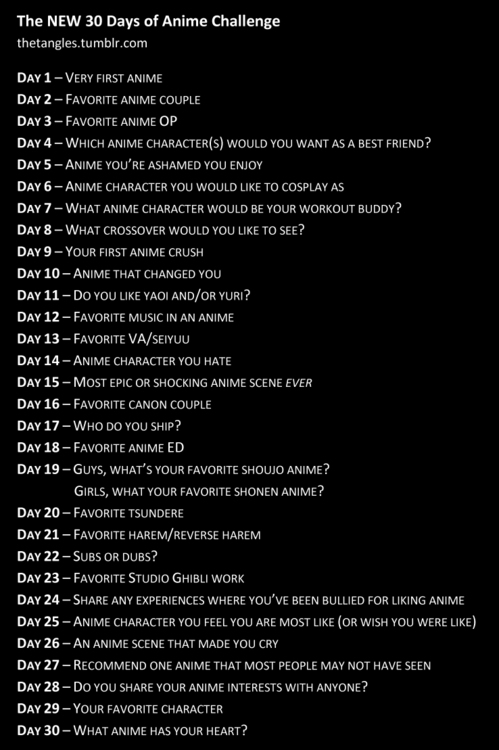 These prompts ask about your first anime, the soundtrack that changed you, or the scene that made you cry. They're accessible entry points for lurkers who don't want to argue about power levels. Personal preference lists let people share their history with the medium without needing to defend objective quality.
Conventions and Community Building
Fan panels at conventions rely on these discussion topics to fill rooms. Panel organizers know that open ended questions create better energy than lectures. Q&A sessions where attendees argue about whether Code Geass or Death Note has the better ending generate memorable moments. Group activities like collaborative storytelling or anime Pictionary break the ice before the serious debates begin.
Meetups work the same way. You need conversation starters that aren't just "So, what are you watching?" Ask someone about their hottest take. Ask which studio they would burn to the ground for ruining their favorite manga. Ask whether they think modern simulcasts have destroyed the mystery and speculation culture of older fan subs. These questions have teeth.
The Psychology of Debates
Why do these topics engage us? Because anime fandom is built on passion and identity. Your anime list is your personality. When someone attacks your favorite show, it feels personal even when it isn't. Good discussion topics tap into that investment without being toxic. They let you defend your taste while learning why someone else values different things.
Power scaling debates are the purest form of this. Goku versus Saitama. Naruto versus Ichigo. These fights ignore narrative weight and focus purely on feats of strength. They're stupid. They're fun. They require encyclopedic knowledge of both series to argue effectively. The math involved in calculating planetary destruction levels gets ridiculous but it's harmless entertainment.
Rewatch value discussions expose how we change as viewers. Some shows hit different at age thirty than they did at fifteen. Evangelion hits harder when you have experienced actual depression. Toradora hits different when you understand adult relationships. Asking whether nostalgia blinds us to older anime's flaws, or if modern fans lack patience for slower pacing, creates generational dialogue within communities.
Finding Your Discussion Niche
Not every fan wants to argue about power levels or production studios. Some want to discuss cultural influences. How does Japanese work culture reflect in isekai power fantasies? How does the concept of "reading the air" or social nuance affect character writing? These topics require more background knowledge but attract serious students of the medium.
Others want technical breakdowns. Why does Sakuga animation look different from standard TV anime? What makes Yutaka Nakamura's explosions distinct? How does digital coloring differ from cel animation painted by hand? These discussions educate newer fans on why certain scenes look expensive while others look like slideshows.
Then there's the meta commentary. How has streaming changed fan culture? Did Crunchyroll and Netflix kill the fansub community that built western fandom? Is the seasonal anime cycle burning out animators and reducing quality? These topics touch on real world labor issues and business models. They remind us that anime doesn't appear by magic. People suffer to make it.
Engaging anime discussion topics for fans work because they balance accessibility with depth. You don't need a film degree to argue about dubs versus subs. But you can bring in audio engineering knowledge if you have it. The best topics grow with the conversation. They start with "Which is better?" and end with "Why do we watch stories this way?"
Start your next forum thread with something divisive. Ask about the worst anime adaptation of a great manga. Ask whether slice of life anime is pointless or profound. Ask if moe art styles have ruined serious storytelling. Just don't ask for recommendations. That thread will die in an hour. A good debate lives forever.