
Great Teacher Onizuka anime review starts with a simple truth: this show should not work. A twenty-two year old virgin ex-biker gang leader decides to become a high school teacher so he can maybe look at some girls, ends up teaching middle schoolers instead, and solves every problem with either a German Suplex or a heartfelt speech about living your best life. It sounds like the setup for a bad adult video or a lazy parody, but somehow it ran for forty three episodes and people still talk about it like it changed their lives. The thing is, they are not entirely wrong, but they are also glossing over the parts that have aged like unrefrigerated milk.
The premise hooks you immediately because it is so dumb it loops back around to being honest. Onizuka is not some misunderstood genius who quotes philosophy. He is a barely literate thug who got his teaching license from a fourth rate college by cheating and sleeping through classes. He gets hired at Holy Forest Academy, a private school full of rich kids with serious emotional damage, specifically to handle Class 3-4, a group that has driven previous teachers to nervous breakdowns, cult membership, or actual death. The school administration wants him to fail. The students want him gone. Onizuka just wants to eat cheap ramen and maybe figure out why he keeps caring about these brats. That friction between his selfish motivations and his accidental heroism is where the show lives or dies depending on the episode.
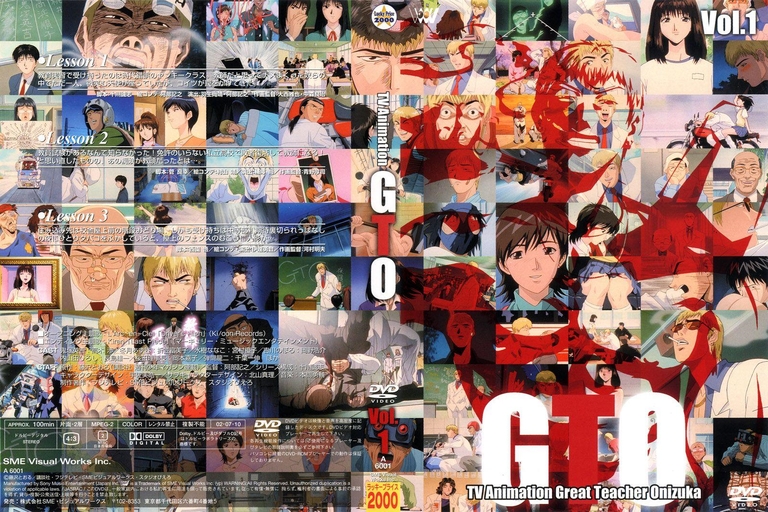
Looking at the character of Onizuka himself, you see why this anime stuck around while other nineties comedies got forgotten. He is a static character, yeah, he does not really grow or change his ways, but that is the point. He comes in fully formed as a guy who believes in loyalty, street justice, and protecting kids from the adult world that failed him. His methods are violent, illegal, and would get any real teacher arrested within five minutes, but that is the fantasy. The show creates this weird space where you accept that throwing a vice principal off a roof is fine if the vice principal was being a jerk to a student. Onizuka does not use textbooks or lesson plans. He uses his own trauma from being a lonely delinquent to recognize when a student is hurting, and then he fixes it through absurd stunts that somehow work in this universe.
The students he deals with are not just generic troubled teens either. You have got Urumi Kanzaki, the genius hacker who tries to ruin Onizuka's life multiple times before he breaks through her defenses with a combination of physical endurance and genuine acceptance. There is Yoshikawa, the bullied kid who learns to stand up for himself. There is Murai and his whole crew who start out as antagonists trying to get Onizuka fired but end up being his most loyal allies. Each kid gets an arc, and the show spends time showing you exactly why they are messed up. Broken homes, parental neglect, the pressure of the Japanese exam system crushing their spirits, or just good old fashioned bullying. Onizuka walks into each situation like a bulldozer and forces the issue until the kid either breaks down crying or realizes they are not alone. It is manipulative as hell, but it works because the emotional beats land hard even when the setup is ridiculous.
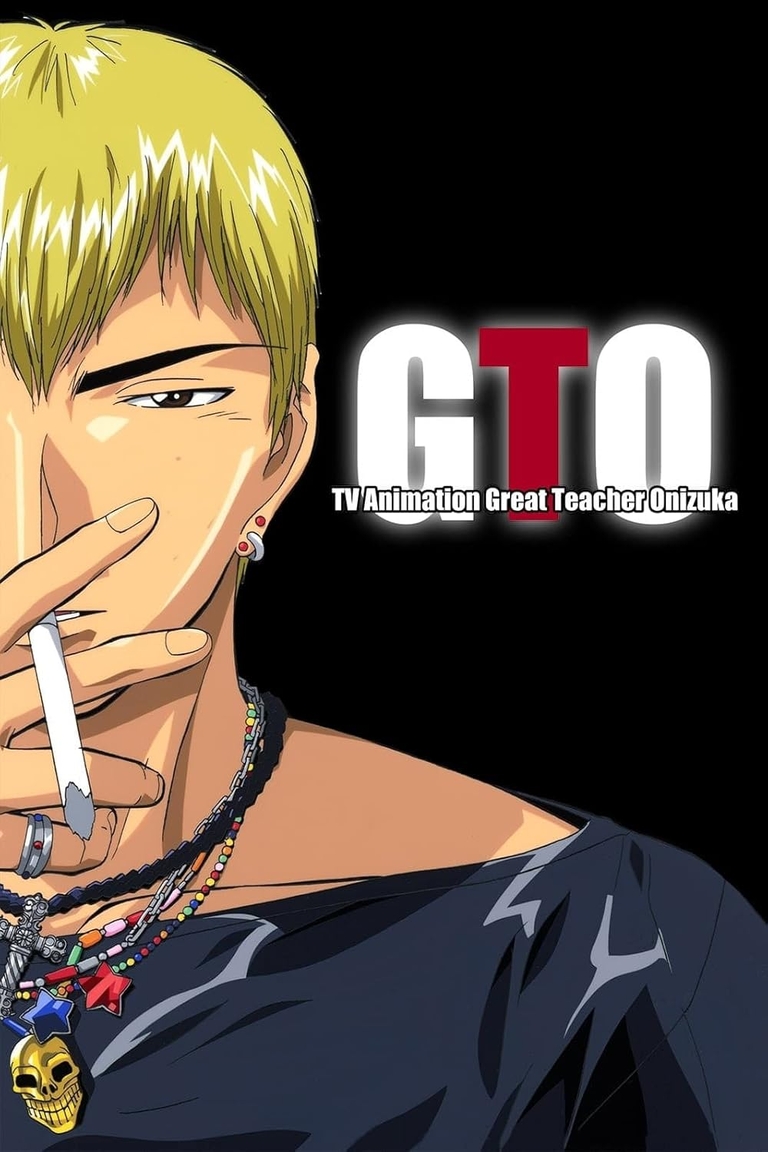
Now here is where I have to be real with you about the comedy. The first four episodes are rough. The show leans heavy on Onizuka being a pervert. He tries to peep on girls, he makes gross comments, he is constantly thinking with his hormones. Some people bounce off the show immediately because of this, and I do not blame them. It is not subtle. It is not clever. It is nineties anime horniness at its most juvenile. The show does calm down on this after the initial stretch, but it never fully goes away. You get recurring gags about his virginity, his porn collection, or him accidentally seeing a student naked. If you are watching this in the current year, a lot of it feels creepy or at least tired. The show tries to excuse it by saying Onizuka never acts on these impulses with actual minors in a harmful way, but the camera sure does linger on teenage girls in ways that make you uncomfortable.
That said, when the show stops doing lowbrow sex jokes and starts doing social commentary, it gets really good. The whole thing is a giant middle finger to the Japanese education system. It shows you teachers who care more about their retirement pensions than their students, administrators who cover up bullying to protect the school's reputation, and parents who treat their kids like trophies to show off at parties. Onizuka represents this pure ideal of a teacher who actually gives a damn about the person in front of him, not the test scores. There is an entire arc where he has to take the SAT equivalent to prove he is qualified to teach, and the students try to sabotage him by hacking the school computers. Instead of being mad, he studies like an idiot and passes through sheer stubbornness, proving that heart matters more than traditional intelligence in his weird worldview.
Technically speaking, Great Teacher Onizuka anime review has to address the visuals, and they are a mixed bag. Studio Pierrot did the animation, and you can tell they had budget constraints. There is heavy use of speed lines, still frames, and repeated footage. The character designs by Tohru Fujisawa translate okay to the screen, but everyone has these weird noodle arms and exaggerated faces that work for comedy but look weird in serious moments. The show uses CG for vehicles and some backgrounds, and it looks terrible. Like, Playstation One cutscene terrible. But somehow the janky animation adds to the charm. It feels scrappy, like Onizuka himself. You forgive the corner cutting because the voice acting carries it. The Japanese cast is solid, but the English dub featuring David Lucas as Onizuka is legitimately great. He captures that gruff but goofy energy perfectly, giving performance comparisons to his work as Spike in Cowboy Bebop according to some fans.
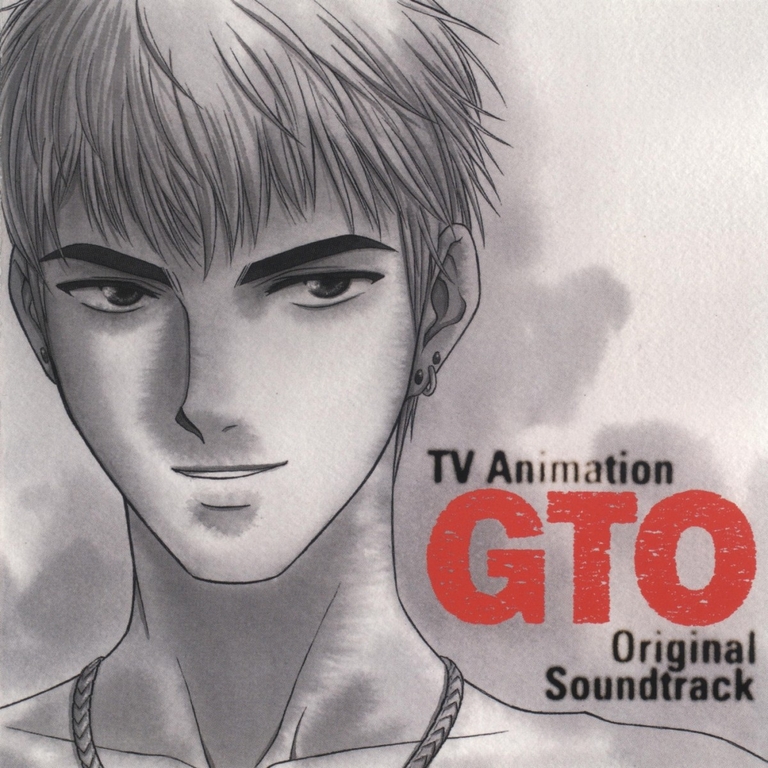
The music is another high point. Yusuke Honma composed the soundtrack, and he knew exactly what this show needed. You have got these energetic rock tracks for the action scenes, these somber piano pieces for the emotional breakdowns, and these weird quirky tunes for the comedy bits. The opening themes, Driver's High by L'Arc~en~Ciel and Hitori no Yoru by Porno Graffitti, are absolute bangers that get you hyped for each episode. The endings are slower and more reflective, giving you time to process the lesson of the week. It is rare for a show to have this consistent a musical identity across forty three episodes, but GTO pulls it off.
People always ask why the anime ended at forty three episodes and did not adapt the whole manga. The simple answer is that it caught up to the source material and had to make up its own ending. Episodes forty two and forty three wrap up the story of the original homeroom teacher of Class 3-4, revealing why the students hated teachers so much in the first place. It is a bit rushed compared to the manga's pacing, but it gives closure. The manga continued with more arcs, including one with a stalker teacher obsessed with Fuyutsuki that gets really dark, and the Paradise Lost sequel that jumps the timeline forward with smartphones and modern tech. There have been rumors about a season two for years, maybe after the GTO Revive manga finishes, but nothing solid has happened yet.
Comparing the anime to the live action versions is inevitable. The 1998 Japanese drama with Takashi Sorimachi is actually really good, and some people prefer it because it grounds the story more in reality. Onizuka in the live action is less of a cartoon character and more of a guy you might actually believe exists. The 2012 remake and the various movies are hit or miss, often making Onizuka look too stupid or too old for the part. The anime sits in this sweet spot where it can get away with the absurd physical comedy that live action cannot replicate, like Onizuka jumping off buildings or fighting fifty guys at once. But the live action handles the romantic tension between Onizuka and Fuyutsuki better, giving it more time to breathe instead of just being a running gag.
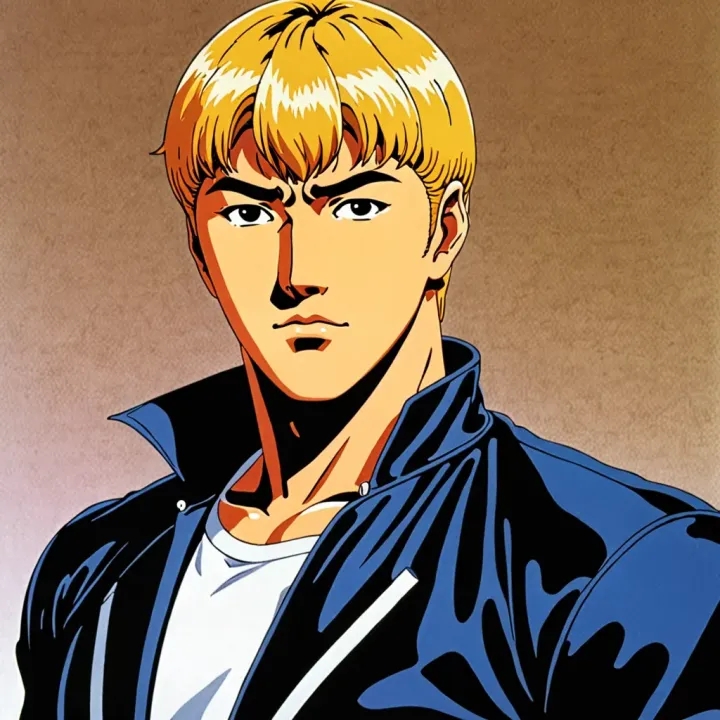
The legacy of GTO is weird because you can see its DNA in modern shows like Assassination Classroom, but the direct comparison does not quite work. Assassination Classroom is more structured, more sci-fi, and ultimately more tragic. GTO is about living in the moment and fixing your life through sheer willpower. It is messier, angrier, and more cynical about the adult world. Onizuka is not a superhuman octopus who knows everything. He is a dummy who gets hurt, bleeds, and keeps going because quitting would mean letting a kid down. That resonates with people who feel like the system is stacked against them.
Modern viewers coming to this show often have a hard time with the pacing. It is forty three episodes long, and while fans claim there is no filler, that is not entirely true. There are definitely episodes that repeat the same formula: student has a problem, they try to get rid of Onizuka, he endures their abuse, he does something crazy to win them over. If you binge it, the repetition becomes obvious. But watching it weekly back in the day, or spacing it out now, lets each story sink in. The show tackles heavy stuff like suicide attempts, sexual harassment by teachers, parental abuse, and the crushing pressure of college entrance exams. It handles these with surprising sensitivity when it is not making fart jokes.
Is it one of the best anime ever made? That depends on your tolerance for nineties animation and boomer humor. It is definitely one of the most sincere anime about teaching ever made. It does not talk down to its audience. It admits that school is often hell, that teachers are usually checked out bureaucrats, and that growing up hurts. But it also says that one person who actually cares can change your life, even if that person is a chain smoking pervert with a criminal record. That message keeps people coming back twenty five years later.
Great Teacher Onizuka anime review has to conclude with the facts. It is a flawed classic. The animation is dated, the humor is repetitive, and some of the sexual content has not aged well. But the core message about protecting kids from a broken system, the unforgettable character of Onizuka, and the sheer entertainment value of watching a delinquent suplex corrupt vice principals makes it worth watching. If you can get past the first few episodes and accept that you are watching a fairy tale about teaching rather than a realistic depiction, you will find something special. It is not perfect, but neither is Onizuka, and that is exactly the point.