
Jujutsu Kaisen target audience demographics aren't just numbers on a chart, they're proof that the kids have taken over. While older fans still cling to their One Piece episodes and Attack on Titan rewatches, the data shows 71.3% of JJK viewers fall between ages 13 and 22. That's a massive concentration of Gen Z eyeballs compared to One Piece's 56.7% in the same bracket or even Attack on Titan's 64.4%. The world's most popular anime isn't catering to the nostalgia crowd, it's locked onto younger viewers who grew up with different expectations about heroes, trauma, and what animation should look like.
This shift didn't happen by accident. You can trace it through the so-called "Dark Trio" that took over Weekly Shonen Jump, where Jujutsu Kaisen sits alongside Chainsaw Man and Hell's Paradise. These series ditched the sunshine-and-friendship approach that defined Naruto or Dragon Ball. Instead, they hand teenagers protagonists who lose limbs, friends, and their sanity in stories that refuse clean resolutions. For a generation hitting adulthood during economic instability and social chaos, that cynicism hits different than Luffy's endless optimism about becoming Pirate King.
The Numbers Behind the Hype
Guinness World Records made it official, Jujutsu Kaisen became the most in-demand animated TV program globally, dethroning Attack on Titan which held the title since 2020. Parrot Analytics tracked billions of data points across streaming activity, social engagement, and search behavior to confirm what anyone on anime TikTok already knew. The demand metric hit 128 times the average show during the Season 2 finale, and that spike came specifically from younger viewers driving the conversation.
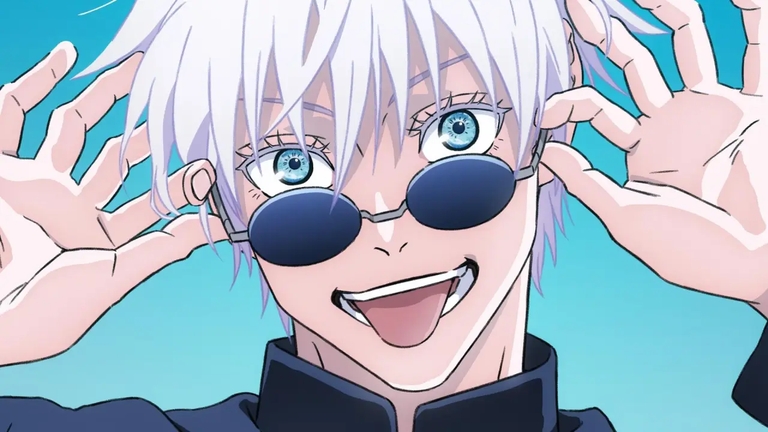
The Japanese demographic data tells a slightly different but related story. Surveys show the average JJK fan in Japan sits between 28 and 29 years old, with a 60% male to 40% female split. That seems contradictory to the global 13-22 dominance until you realize Japan's anime market includes decades of built-in adult fans who read Jump as kids. Globally, though, JJK captured the teenage market that older franchises struggle to reach. One Piece averages 38-year-old fans, while Demon Slayer sits around 39. JJK's global fanbase is essentially a decade younger than its competition.
Why Gen Z Specifically Loves the Darkness
You can't separate JJK's popularity from the specific cultural moment Gen Z occupies. Traditional shonen sold boys on the idea that friendship and hard work overcome any obstacle. Yuji Itadori starts with that energy, then watches his mentor get sealed away, his friends get mutilated, and his body used as a vessel for pure evil. The Shibuya Incident arc doesn't offer triumph, it offers survival with permanent scars.
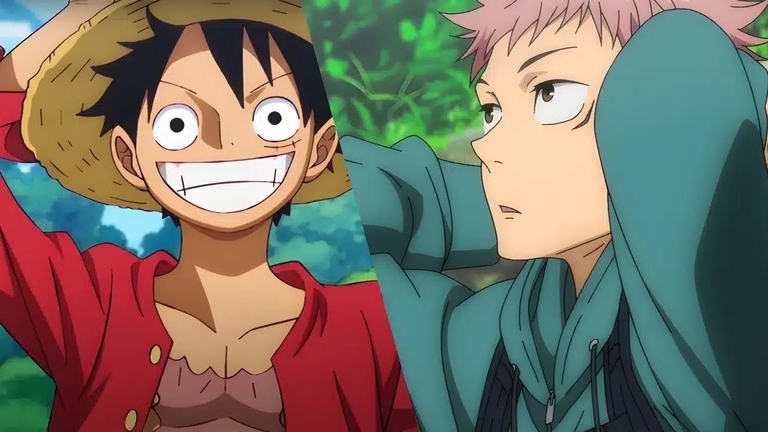
That resonates because these viewers aren't looking for escape into fantasy worlds. They're looking for stories that mirror their own sense of powerlessness against systems they didn't create. When Mahito mutilates characters or when Gojo fails to save everyone, it reflects the anxiety of entering a job market with impossible expectations. One Piece offers dreams, JJK offers the reality of fighting anyway even when you know you'll lose ground. The Dark Trio distinction isn't just about blood and gore, though there's plenty of that. It's about emotional honesty that respects the viewer's intelligence and their lived experience of disappointment.
Gender Split and Character Appeal
The demographics aren't just about age. JJK managed a 60/40 male to female split in Japan, which is notable for a battle series. Typically, hardcore shonen attracts an overwhelming male audience, but JJK broke through because Gege Akutami writes characters with actual psychological depth instead of just power levels.
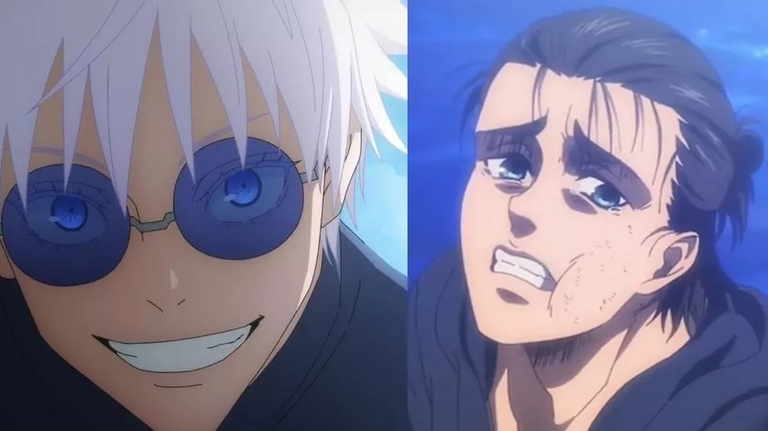
Gojo Satoru specifically drives female engagement not because he's strong, but because he's broken in interesting ways. His arrogance masks genuine trauma from his friendship with Geto. His power isolates him completely. Female viewers engage with that complexity, the same way they latched onto Eren Yeager's descent into villainy. Meanwhile, male viewers get the intricate power systems and MAPPA's brutal animation quality. The series manages to serve both audiences without diluting either appeal.
Nobara Kugisaki also plays a role here. Unlike traditional shonen girls who exist to support the male lead, she operates with her own agency, her own traumas, and her own violent solutions. That balance creates a fanbase that isn't just teenage boys, it's everyone tired of stale archetypes.
Global vs Japanese Audience Differences
There's a weird split happening between how Japan consumes JJK versus international markets. In Japan, the average fan pushing 29 suggests the series bridges the gap between longtime Jump readers and new blood. Internationally, the 13-22 age bracket dominance indicates JJK functioned as an entry point for first-time anime fans.
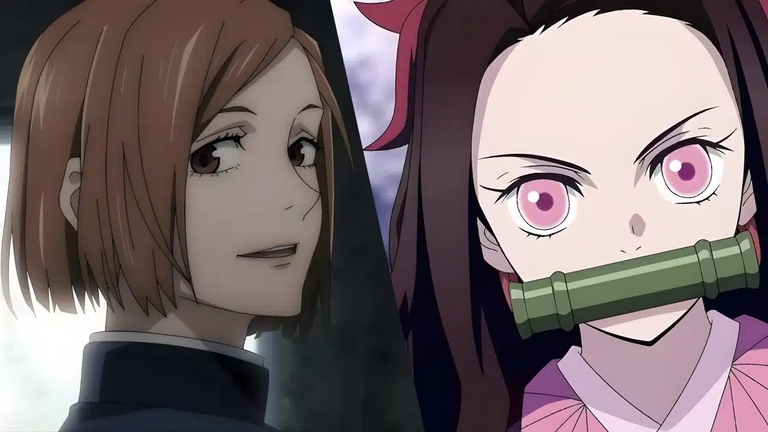
Demon Slayer became a family phenomenon worldwide, with parents watching alongside kids, which explains that higher average age. JJK actively repels that cross-generational appeal with its horror elements and moral ambiguity. You don't watch the Shibuya Incident with your eight-year-old cousin. That intentional narrow targeting allows the series to go harder on themes of death, body horror, and existential dread without worrying about parental gatekeeping.
Social Media as the Engine
You can't discuss these demographics without acknowledging how Gen Z discovers content. They're not browsing TV guides or waiting for Toonami blocks. They're scrolling TikTok and Instagram where JJK clips go viral daily. The visual spectacle of MAPPA's animation, Gojo's domain expansions, and the character designs travel further and faster than plot summaries ever could.
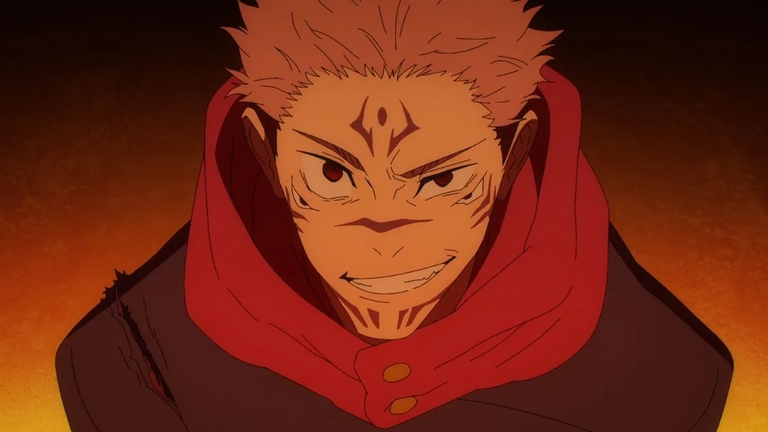
The social media impact on anime fandom means that a 16-year-old in Texas discovers JJK through a fan edit set to phonk music before they even know what Crunchyroll is. That discovery method favors shows with high visual impact and quotable moments. JJK delivers both. The algorithm favors intensity, and JJK provides that in spades.
What This Means for Shonen Moving Forward
Jujutsu Kaisen target audience demographics aren't just trivia for marketing teams. They signal a permanent shift in what "shonen" means as a category. Publishers and studios now know there's massive money in catering to teenage cynicism rather than teenage idealism. The era of "believe in yourself" speeches might not be over, but it's sharing space with "sometimes your best isn't enough" reality checks.
This creates a weird future where One Piece continues its 25-year run with aging millennials while new series chase the JJK formula of trauma, pretty boys with issues, and animation that prioritizes impact frames over consistency. The industry sees those dollar signs. The average anime consumer in the US makes around $59,000 annually, and capturing them young means decades of purchasing power ahead.
The franchise proved you don't need to sanitize content for broad appeal. You can go hard, get bloody, let your characters fail catastrophically, and still outsell family-friendly alternatives. That's going to influence what gets greenlit for years. Expect more series that blend horror with action, more protagonists who aren't sure they're the good guys, and less fear of alienating the Disney crowd.
Gen Z didn't just adopt JJK, they made it the standard. The demographic data shows a clear preference for stories that acknowledge the world's brokenness without offering easy fixes. That might sound bleak, but for viewers who've watched their own heroes fall short in real life, it's the only kind of honesty that resonates anymore.