
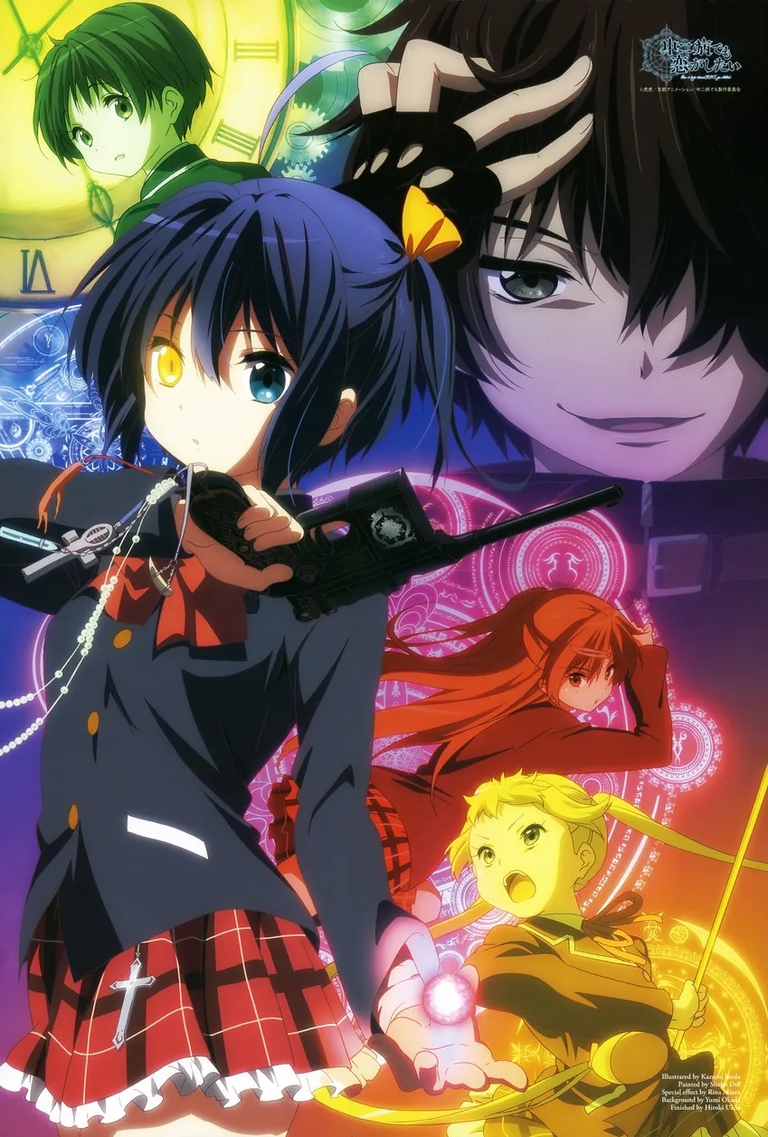
Everyone wants to shove Love Chunibyo and Other Delusions into a neat little box. They see the big eyes and the school uniforms and the blushing and they think "okay, romantic comedy, got it," then they check out. Or they see the dragon battles and magic circles and assume it is some supernatural harem nonsense. Both takes are wrong and they miss why this series still gets talked about years after it aired. Love Chunibyo and Other Delusions anime genre explained properly requires admitting that it is a messy hybrid that refuses to pick a lane, and that is exactly why it works.
The show is built on a foundation of "chuunibyou," which literally translates to "middle school second year syndrome" but basically means that awkward phase where kids think they are the main character in an anime. They wear eyepatches for no medical reason, they write terrible poetry about their "dark powers," they genuinely believe they have magical abilities. In real life it is cringe. In this story it is the entire emotional language. You cannot understand what genre this anime occupies until you accept that the fantasy elements are not actually happening in the story world. No one is really shooting lightning. It is all in their heads, which makes the visual spectacle weirdly grounded in psychology rather than magic systems.
The Three Way Tug of War Between Genres
Most anime pick one primary genre and stick with it. Shonen battle anime might have comedy relief but they are fundamentally about fighting. Pure slice of life shows might have sad moments but they reset the status quo by the next episode. Love Chunibyo tries to do romantic comedy, slice of life, and straight up grief drama all in the same twelve episode season and the result is tonal whiplash that somehow sticks the landing.
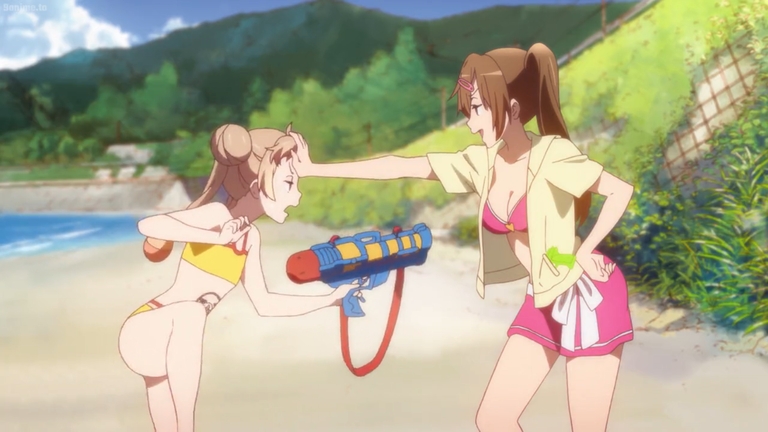
The romantic comedy parts are obvious. You have Yuuta, the straight man former chuunibyou who is deeply embarrassed about his past as the "Dark Flame Master," and Rikka, the girl who still fully believes she possesses the "Tyrant's Eye" and wraps her arm in bandages to seal her power. They meet cute, they form a club, they have misunderstandings about feelings, you know the drill. The show hits all the beats you expect from a romcom. There is a beach episode. There is a cultural festival arc. There is the awkward almost-kiss moment that gets interrupted by a side character.
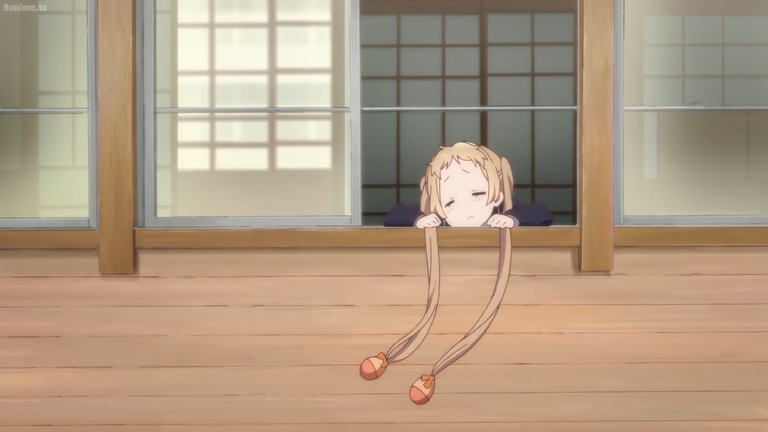
But then the slice of life elements slow everything down to a crawl in the best way. Episodes where nothing happens except Kumin wants to nap or Dekomori argues with Nibutani about spelling. These are not plot heavy. They are just vibes. The show spends real time letting these weirdos exist in a room together without forcing conflict. That is pure slice of life DNA right there, the kind of thing people watch to relax, not to get story progression.
Then the drama hits like a truck and suddenly you are crying because a teenager is processing her father's death by pretending to search for the "Unseen Horizon" because she cannot accept that he is actually gone. The show does not warn you that it is going to get this heavy. It just happens.
When the Comedy Drops Away
Rikka is not just quirky. She is traumatized. Her chuunibyou behavior escalated after her father died when she was in middle school. The eyepatch is not a fashion statement. It is a physical barrier between her and a reality where her father no longer exists. When the anime reveals this around episode seven, it retroactively changes how you view every stupid joke that came before. The "Wicked Eye" activation poses that looked funny in episode one become heartbreaking once you realize she is literally looking away from her own grief.
This is where calling it just a romantic comedy becomes insulting. The romance is there, sure, Yuuta and Rikka do get together and it is sweet, but the engine driving the story is Rikka learning to remove the eyepatch both literally and metaphorically. The show is about growing up and accepting that you are not special, you are not the chosen one, you are just a regular person who has to deal with regular pain. That is heavy stuff for a show that also features a character getting hit with a spoon repeatedly for comedic effect.
The series does this bait and switch constantly. It lures you in with colorful fantasy battles where Rikka summons magic circles and Dekomori wields her "Mjolnir" (which is just her twin tails weighted with padlocks), then it reminds you that these are mentally ill children coping with reality through imagination. The visual style of Kyoto Animation makes everything look soft and approachable, which makes the emotional gut punches land harder because you were not expecting to get hurt while looking at pastel colors.
What Chuunibyou Actually Means in This Context
People throw around the term chuunibyou like it just means "cringe" or "edgy teenager phase." That is not wrong exactly but it is incomplete. In the context of this anime, chuunibyou is a defense mechanism. It is dissociation with extra steps. When Yuuta was in middle school he called himself the Dark Flame Master because regular Yuuta felt powerless and boring. When Rikka talks about the "Ethereal Horizon" she is not being annoying, she is describing death without using the word because that word hurts too much.
The series treats this condition with surprising respect. It does not mock the characters for their delusions, though it definitely finds them funny sometimes. Instead it argues that there is value in that imagination even as it acknowledges you cannot live there forever. The arc of the show is not "stop being weird and be normal." It is "be weird but do not use the weirdness to hide from your problems." That is a subtle distinction that most coming of age stories miss.
Yuuta spends season one trying to bury his past while Rikka flaunts hers. By the end they meet in the middle. He accepts that being the Dark Flame Master was cringe but it was also genuinely fun and part of his history. She accepts that she can keep the aesthetic and the imagination but she has to face her family and her grief. This negotiation between fantasy and reality is the actual plot, not the club activities or the school events.
The Fantasy Sequences Are Not Just Visual Fanservice
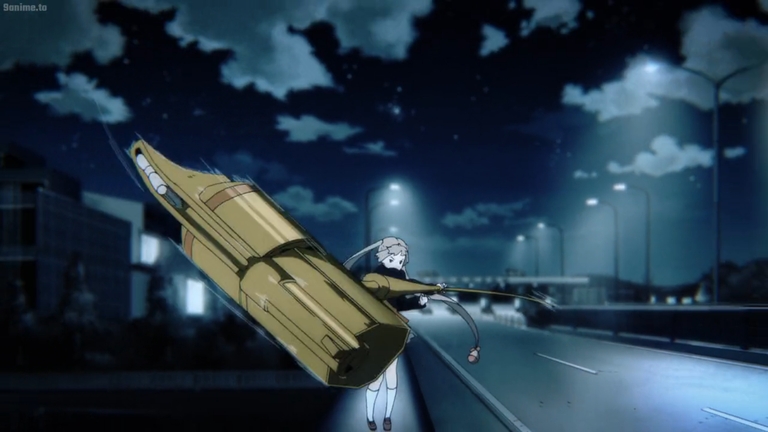
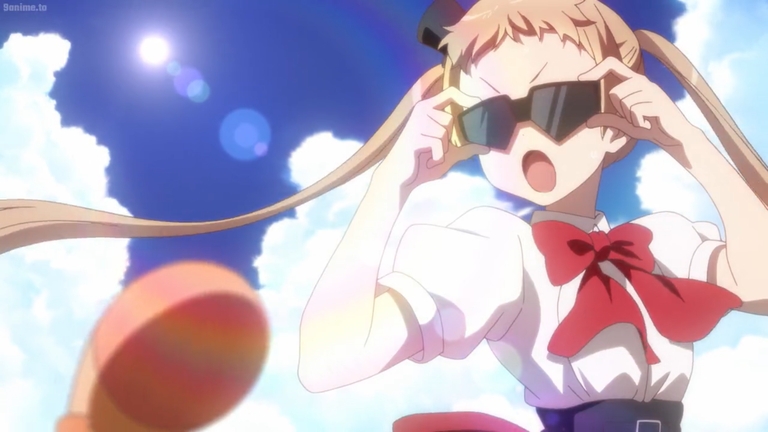
Every time Rikka activates her "Tyrant's Eye" or Dekomori starts swinging her hair around, the animation shifts into high budget fantasy mode. Dragons appear, magic circles spin, explosions happen. If you are watching superficially it looks like the show is trying to appeal to action fans or something. It is not. These sequences are visual metaphors for emotional intensity. When Rikka feels cornered by reality, she imagines a boss battle. When she feels connected to Yuuta, they fly through the sky together on a broomstick that does not exist.
This technique blurs the line between genres in a way that confuses people who want clean categories. Is it a fantasy anime? Technically no, because none of that is real. Is it a realistic slice of life? Technically no, because we are seeing inside their imaginations. It occupies this liminal space where the subjective experience of the characters becomes objective reality for the viewer. You are seeing their delusions as they see them, which forces you to engage with their psychology rather than just observing their actions.
This is why the show is not just another moe comedy. Moe shows want you to find the girls cute and funny. This show wants you to understand that the cute funny behavior is a bandage over a wound. The fantasy sequences are the bandage. The wound is underneath.
Why the Source Material Makes Things Messier
If you read the light novels by Torako, the tone is different. The novels are written from Yuuta's first person perspective and he is snarkier, more critical, more aware of how ridiculous everyone looks. The anime adaptation by Kyoto Animation softens a lot of the edges. It makes Rikka more sympathetic immediately. It tones down Shichimiya's aggression in the later volumes. It adds characters like Touka who do not exist in the books.
This matters for genre classification because the novels read more like romantic comedy with sharp observations about adolescence. The anime adds layers of melancholy and visual poetry that push it into drama territory. Some fans argue the anime is better because it has heart. Others prefer the novels because they are funnier and more grounded. Either way, the existence of two different tones for the same story makes it hard to say definitively what genre Love Chunibyo occupies. It depends which version you consumed.
Volume four of the light novels deals with Rikka losing her chuunibyou entirely and becoming "normal," which terrifies Yuuta because he fell in love with the weird version. This arc was adapted partially into the second season and the Take On Me movie. It raises questions about whether the show is actually a romance about accepting your partner's flaws or a drama about mental health recovery. The answer is both, which again, breaks the genre mold.
The Viewing Order Confusion Does Not Help
Trying to figure out how to watch this series adds another layer of frustration. You have season one, then the Lite shorts, then the OVA, then Takanashi Rikka Kai which is a recap movie but also introduces new scenes that lead into season two, then season two (Heart Throb), then the Ren Lite shorts, then the Ren OVA, then Take On Me which concludes everything. According to fans who mapped it out, the chronological placement of some shorts is ambiguous and the movies both recap and continue the story simultaneously.
This structural mess mirrors the genre confusion. The series refuses to be linear and straightforward. It keeps doubling back on itself, showing events from different perspectives, adding context that changes how you view previous episodes. Rikka Kai specifically retells season one from Rikka's point of view, turning comedy scenes into tragedy because you now know what she is actually thinking. This metatextual approach is not typical of pure romcoms or pure slice of life shows. It is more ambitious than that.
The existence of the movies also complicates whether this is an ongoing franchise or a complete story. Take On Me acts as a definitive ending, putting the characters on a road trip and forcing them to confront their future together. It resolves the central tension. So is the genre "completed romance" now? Or does the open ended nature of some conclusions keep it in limbo?
The Soundtrack and Aesthetic Red Herring
ZAQ's opening song "Sparkling Daydream" is upbeat and catchy. The character designs are soft and marketable. The color palette is bright. All of this signals "lighthearted fun" to your brain. Then you get to episode ten and Rikka is crying in the rain refusing to take off her eyepatch because she is not ready to see the world clearly yet. The dissonance is intentional.
Kyoto Animation is famous for making beautiful shows about nothing (K-On, Lucky Star) but here they used that same aesthetic to smuggle in a story about depression and grief. People who dismiss this show as "cute girls doing cute things" either stopped at episode two or they missed the point entirely. Yes, the girls are cute. Yes, they do cute things. But they are also dealing with legitimate psychological issues that require more than just a boyfriend to fix.
Why Genre Labels Fail Here
If you go on Wikipedia or TV Tropes, you will see it listed as romantic comedy, slice of life, and drama. That is not helpful. That is just listing three genres. It is like saying a burrito is "Mexican food, lunch, and a cylinder." Technically true but useless for understanding what you are about to eat.
Love Chunibyo and Other Delusions anime genre explained properly requires inventing a new category. It is a "psychological coming of age story that uses romantic comedy pacing and supernatural visual metaphors to explore grief and the transition from childhood imagination to adult reality." That is a mouthful. No wonder people just call it a romcom.
The show uses the language of fantasy anime (magic eyes, chosen ones, ancient artifacts) to tell a story that is completely mundane (a girl misses her dad). It uses the structure of a romantic comedy (will they won't they, club activities, beach episodes) to explore codependency and whether loving someone means enabling their delusions or helping them face reality. It uses the pacing of slice of life (slow, atmospheric, character focused) to build toward dramatic catharses that slice of life usually avoids.
The Secondary Themes That Complicate Things Further
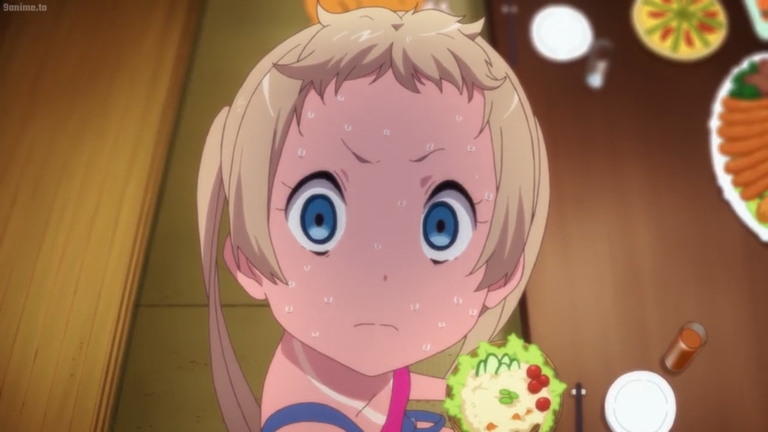
Beyond the central romance and Rikka's grief, you have Nibutani dealing with her own shame about her past chuunibyou persona "Mori Summer." You have Dekomori who is clearly intelligent but chooses to play the fool because it gives her an identity. You have Kumin who is so relaxed she borders on being a stoner archetype but she provides the stability the other chaotic characters need. Each of these supporting cast members could anchor their own genre show.
Nibutani's arc is pure social commentary about how girls are punished for being cringe in middle school while boys are just seen as going through a phase. Dekomori's loyalty to Rikka borders on yuri subtext but it is really about finding a big sister figure. Kumin's napping obsession is funny but also represents choosing peace over drama. When you factor in all these side stories, the show becomes an ensemble piece about different coping mechanisms, not just a romance.
Satone Shichimiya's introduction in season two adds another wrinkle. She is Yuuta's middle school friend who inspired his Dark Flame Master persona. She arrives with her own tragic backstory and her own delusions, creating a love triangle that some fans think ruins the show while others think elevates it. Her presence forces the question: is this show actually about chuunibyou as a phase everyone grows out of, or is it a legitimate way of life for some people? The show never fully answers this, which keeps it from being a simple "growing up" story.
What Critics Get Wrong
CBR called it an underrated slice of life classic, which is partially true but ignores the heavy drama. Yahoo Tech used it as the prime example of the chuunibyou genre, which helped popularize the term but made it sound like a gimmick show. Reddit threads constantly debate whether season two is canon or not because the tone shifts and the light novels diverge significantly.
Critics want to praise the emotional depth without acknowledging the cringe comedy they sat through to get there. Or they want to mock the chuunibyou behavior without admitting it pays off emotionally. The show demands you accept both the silly and the serious simultaneously. If you try to separate them into "the comedy parts" and "the drama parts," you miss how they inform each other. The comedy makes the drama hurt more. The drama gives the comedy stakes.
The Verdict on Classification
Love Chunibyo and Other Delusions is a romantic comedy in the same way Neon Genesis Evangelion is a mecha show. The genre is technically correct but misses the point. It uses the tropes and expectations of lighthearted anime to trick you into caring about characters who are genuinely struggling. It is a Trojan horse.
If you go in expecting pure fluff, you will be confused by the crying. If you go in expecting a therapy session, you will be annoyed by the slapstick. You have to meet it on its own terms. It is a show about people using imagination to survive reality, and sometimes that looks like a dragon battle and sometimes that looks like holding hands at a train station.
The genre is "chuunibyou." Not the syndrome, but the show itself. It created its own category by refusing to pick between being funny, being sad, or being romantic. It is all three, layered on top of each other like bandages on a wound that is finally healing.