Mecha anime themes and tropes always start with the same ridiculous question. Why build a thirty-meter humanoid robot when a missile costs less and works better? The answer is never practical. You can't punch a tank with another tank. You need a giant metal fist for that, preferably one that glows and gets stronger when the pilot is angry. That's the whole genre in a nutshell. Logic loses to coolness every single time.
This genre splits into two camps that fans will argue about until the sun burns out. Super Robots are basically metal superheroes powered by screaming and hot blood. Real Robots are supposed to be military hardware but still somehow end up being piloted by emotional teenagers who failed basic physics. The line between them is blurry and getting worse, but understanding this split is key to surviving a conversation about giant robots.
Super Robot vs Real Robot Is Mostly Made Up
The distinction started back in the 1970s. Go Nagai created Mazinger Z and suddenly everyone realized piloting a robot from the inside was cooler than remote controlling it like a toy car. This established the Super Robot genre. These things are one-of-a-kind machines, often built by ancient civilizations or mad scientists, powered by mystical energy like Getter Rays or Photonic Energy. They throw rocket punches and use blazing swords. Physics is a suggestion at best.
Then Yoshiyuki Tomino dropped Mobile Suit Gundam in 1979 and tried to ground everything. He wanted war stories, not superhero serials. These robots were mass-produced, broke down constantly, and ran out of ammo. They used made-up science like Minovsky Physics to explain why humanoid tanks made sense. This became the Real Robot genre, with stuff like Armored Trooper VOTOMS pushing the gritty military angle even further. Scopedogs look like bipedal garbage cans that could actually exist, which is the point.
But here's the thing. Even Real Robots break the laws of thermodynamics. Gundams move faster than physics allows. Evangelion calls its robots "Real Robot" aesthetics but they're actually cloned gods. Gurren Lagann starts small and ends up bigger than galaxies. The categories are useful for marketing model kits, but don't let a fanboy tell you one is objectively better. They're both about cool robots hitting things.
The Cockpit Is Always Full of Children
You will never see a mecha anime where the military hires competent adults with years of training. Instead, they find some random kid and throw them into a war machine worth more than a small country. This is called "Falling Into the Cockpit" and it's the industry standard. The justification varies. Maybe only teenagers have the neural plasticity to sync with the machine. Maybe the robot chooses its pilot through mystical means. Usually, it's just lazy writing.
The kid is always messed up. Maybe he's an orphan with authority issues. Maybe she's a genetically engineered super soldier who doesn't understand emotions. Maybe he's just Shinji Ikari, who absolutely should not be piloting anything deadlier than a bicycle. Adults in these shows are either useless bureaucrats, traitors, or dead mentors. If someone over twenty-five tries to pilot the main mecha, they will die immediately to prove the stakes are high.
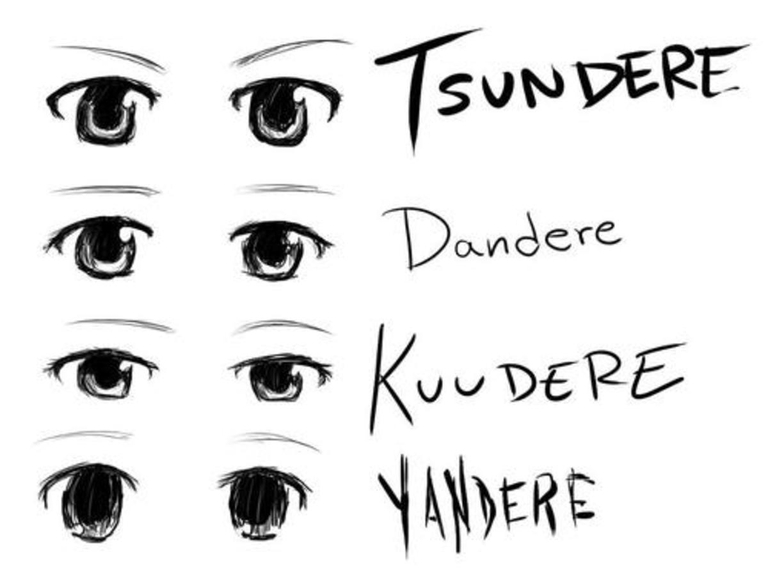
Look at the supporting cast and you'll see the same faces. The tsundere rival who acts tough but cares deeply. The quiet girl who might be an alien or a clone. The comic relief friend who dies tragically in episode twelve. These character types are copy-pasted across decades because they work. You don't watch mecha anime for subtle character studies. You watch to see if the angry kid with spiky hair can stop crying long enough to save the colony.
If You Don't Yell The Attack Name It Doesn't Work
Mazinger Z invented the Rocket Punch. That's a fist that launches off the arm, flies through the air, and punches the enemy. It's stupid. It's awesome. Every mecha anime since has copied this energy. GaoGaiGar has the Broken Magnum. Gurren Lagann has the Giga Drill Breaker. These attacks have long, ridiculous names that must be screamed at maximum volume before execution.
Apparently, shouting "BREAST FIRE" or "THUNDER BREAK" is necessary for the mecha to function. Some shows try to justify this as voice-activated command systems, but we all know it's just hot-blooded energy. The louder you scream, the stronger the attack. This extends to transformation sequences. When five robots combine into one bigger robot, they have to announce every step. "Form feet and legs! Form arms and body!" The enemy stands there waiting politely for the thirty-second animation to finish. It's a rule.
Conventional Military Hardware Is Made Of Paper
In mecha anime themes and tropes, a tank is about as threatening as a wet cardboard box. A main battle tank gets vaporized by a glancing hit from a beam rifle. Infantry might as well throw pebbles. The justification is usually that the mecha is made of space-age alloys or equipped with energy shields that conventional weapons can't penetrate. Sometimes the robots are literal gods, which makes the tank crews look extra stupid for showing up.
Armored Trooper VOTOMS tried to fix this by making the mecha vulnerable. A Scopedog can be taken down by small arms fire if you hit the right spot. Missiles work. Tanks are still relevant. This approach is rare. Most shows want you to believe that walking is superior to treads, and humanoid shapes are tactically sound. They're not, but admitting that ends the series.
The Mid-Season Upgrade Is Just An Ad For Plastic Models
Around episode thirteen or twenty-five, the hero's robot gets wrecked. It gets blown up, impaled, or simply isn't cool enough anymore. Enter the mid-season upgrade. The Gundam gets a black paint job and more wings. The Eva gets new armor that restricts its movement but looks scary. The Gurren Lagann combines with a battleship and becomes the size of a city.
This isn't storytelling. It's marketing. Bandai needs to sell new model kits. The "Gundamjack" trope fits here too, where the enemy steals the hero's prototype and the hero has to get a better one to counter it. Or the hero steals the enemy's superior unit. Either way, the old robot is obsolete now. Don't get attached to the design you liked in episode one. It will be trash by the finale.
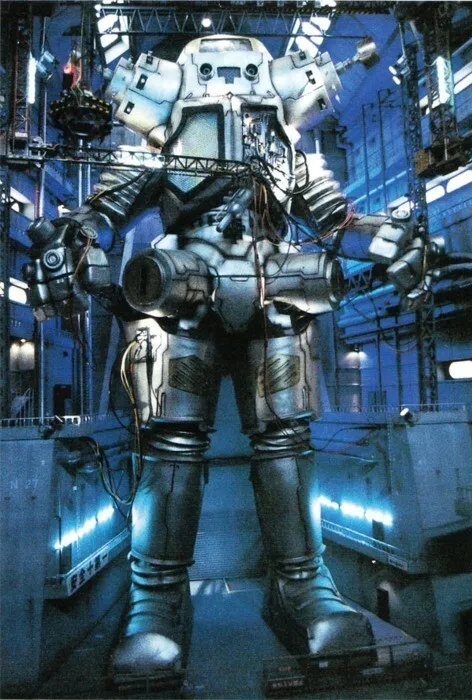
Sometimes the upgrade is organic. The mecha grows wings when the pilot gets emotional, or it unlocks a secret super mode when the plot demands. These forms often come with a time limit or a massive energy drain to maintain some pretense of stakes. But you know the hero won't die. The toy sales depend on it.
Combining Mecha And Violating Conservation Of Mass
Getter Robo started the trend of three vehicles merging into one robot. Since then, every show with a team has tried it. Five lion robots become Voltron. Five jets become the Superion. The math doesn't work. Where does the extra mass come from? Where do the pilots sit in the combined form? Don't ask. The Rule of Cool supersedes Newtonian physics.
The combination sequences are always the same. Each pilot calls out their part. The vehicles lock together with satisfying clangs. The final head pops up and the eyes glow. Enemies never attack during this vulnerable period because that would end the series too quickly. Some modern shows subvert this by having villains attack mid-combination, which is treated as a genius move rather than common sense.
Space Magic Dressed As Science
Real Robot shows love to pretend they're hard sci-fi. They throw around terms like "Minovsky Particles" or "Heisenberg Compensators" to justify why the robots work. Then the hero manifests psychic powers and moves the machine with his mind. Newtypes in Gundam are just Jedi with a different name. Coordinators in Gundam SEED are genetically perfect humans who pilot better because reasons. Evangelion has the AT Field, which is basically a magic forcefield generated by the pilot's soul.
The synchronization rate is a popular mechanic. If the pilot and machine sync above ninety percent, they become unstoppable. This usually involves the pilot feeling pain when the robot gets hit, which raises questions about why you'd design a weapon that tortures its operator. But it looks cool when the kid screams and blood pours from his nose while the robot goes berserk.
The Guy In The Red Uniform
Every mecha anime needs a rival. Char Aznable from the original Gundam established the template. He wears a mask. He wears red. He claims his robot is three times faster than normal. He has blonde hair and hidden motives. This archetype is so prevalent that fans just call them "Char clones."
Zechs Merquise in Gundam Wing. Athrun Zala in Gundam SEED. McGillis Fareed in Iron-Blooded Orphans. They're all the same guy with different names. Sometimes they're villains. Sometimes they become the hero's best friend. They always get a cooler-looking robot than the protagonist, at least until the final episode when the hero unlocks his true potential and surpasses them. The mask usually comes off at some point to reveal a tragic backstory involving a lost sister or a burned homeland.
War Is Bad Actually
Yoshiyuki Tomino, the creator of Gundam, is famous for killing his cast. He directed Zeta Gundam and Space Runaway Ideon, where the body count includes children and puppies. His philosophy is that war is hell, not fun. This creates a weird tension because the robot fights are meticulously animated to look awesome. You're supposed to feel bad about the destruction while enjoying the explosions.
Other shows lean into the horror more successfully. Gundam 0080: War in the Pocket shows a kid realizing his idolized mobile suit pilots are just murderers. Grave of the Fireflies isn't a mecha anime but captures the same anti-war sentiment better than most that are. Meanwhile, shows like G Gundam treat war as a sporting event where countries send martial artists to punch each other in giant robots. The tonal whiplash is real.
Post-Evangelion Depression
Neon Genesis Evangelion broke the genre in 1995. Before that, mecha anime was about courage and friendship winning the day. Evangelion said no, what if the pilot was a depressed fourteen-year-old who hated his dad and himself? What if the robots were actually cloned monsters? What if the ending was incomprehensible on purpose?
This started the deconstruction trend. RahXephon, Fafner in the Azure, and Bokurano all copied the formula. Traumatized kids, mysterious enemies, psychological breakdowns, and apocalyptic stakes. The mecha isn't a tool for heroism anymore. It's a cage or a weapon of mass destruction that consumes the pilot's sanity. These shows are great if you want to feel awful after watching them.
The Technology Makes No Sense
Let's talk about the square-cube law. A giant robot standing upright would collapse under its own weight. Its legs would punch through the ground. It would overheat instantly. Mecha anime solves this with "Applied Phlebotinum," which is a fancy way of saying magic particles. Minovsky Physics in Gundam lets robots move like humans in space. Getter Rays in Getter Robo evolve the machine based on the pilot's fighting spirit. Spiral Power in Gurren Lagann literally runs on believing in yourself.
Why do they have hands? Tanks don't need hands. But then you couldn't sword fight, and sword fighting is cooler than shooting. Why do they have eyes? Cameras don't need to look like human eyes. But the glowing eyes look scary in the dark. Every design choice prioritizes aesthetics over function, which is why we love it.
Conclusion
Mecha anime themes and tropes haven't changed much since the seventies because they don't need to. We still want to see a kid who doesn't fit in find a giant machine that understands him. We still want to see rocket punches and shouting and combining sequences that take too long. The genre cycles between super and real, between hopeful and depressing, but the core remains. Giant robots hitting things is cool. That's it. That's the whole secret. Everything else is just paint on the chassis.
The next time someone tries to tell you that Gundam is "realistic" or that Mazinger Z is "just for kids," ignore them. They're both about the same thing. Taking something impossible and making it feel like the most important thing in the world for twenty-six episodes. Just don't think too hard about why the military keeps funding these billion-dollar death traps. They clearly have a marketing deal with the toy companies.