
Naruto Shippuden Akatsuki arc analysis usually focuses on the big flashy fights, but that's missing the point entirely. These arcs work because they remember that ninja are supposed to be tools who bleed, not gods throwing mountains at each other. The stretch from the Akatsuki Suppression Mission through Pain's Assault represents Kishimoto at his absolute peak, before he lost the plot with aliens and reincarnation nonsense.
Most fans point to the Pain Arc as the best part of Shippuden, and they aren't wrong, but they forget that the setup matters just as much as the payoff. You can't have Naruto returning to a smoking crater of a village without first showing what happens when Akatsuki members actually kill people you care about. That's where the Suppression Mission comes in, and it's criminally underrated.
The Akatsuki Suppression Mission Deserves More Respect
People sleep on this arc because it doesn't have Naruto in every frame, which is exactly why it works. Spanning episodes 72 to 88 and manga chapters 311 through 342, this section hands the spotlight to Team 10 and treats them like main characters instead of background extras. The Fandom wiki breaks down the episode structure if you need the exact timeline, but what matters is the guts of the story.
Hidan and Kakuzu roll into the Land of Fire acting like they own the place, and for a while, they do. These aren't your typical villain-of-the-week types with tragic backstories and redemption arcs waiting to happen. Hidan is a religious nutjob who enjoys pain, and Kakuzu is a greedy immortal who fights dirty. No sob story, no complex motivation about peace, just two guys who are stronger than most of the Leaf Village and know it.
The arc juggles three threads that actually matter. You've got Naruto training with Kakashi and Yamato to develop the Rasenshuriken, which pays off later but stays in the background just enough to not overstay its welcome. Then there's the Twenty Platoons searching for the Akatsuki, which raises the stakes by showing this is a village-wide crisis, not just a personal vendetta. And finally, you've got Team Asuma stepping up to the plate.
Why Hidan and Kakuzu Broke the Mold
Most Akatsuki members follow a pattern: tragic past, broken idealism, fancy eyes, speech about peace. Hidan and Kakuzu throw that template in the trash. Hidan worships Jashin, some chaos god that demands blood sacrifice, and he fights with a triple-bladed scythe that's more for drawing blood than killing efficiently. Kakuzu sews stolen hearts into his body to stay alive and shoots elemental monsters out of his back. They're weird, they're gross, and they feel dangerous in a way that later villains don't.
Their immortality isn't a get-out-of-jail-free card played for laughs. It raises the tension because you realize quickly that conventional ninja tactics won't work. Asuma cuts off Hidan's head, which should end any fight, but Kakuzu just sews it back on while complaining about the inconvenience. This breaks the rules of engagement that the series established, and it forces the good guys to think harder, not just hit harder.
The fights here aren't about who has bigger chakra explosions. They're about information gathering and exploiting specific weaknesses. Shikamaru spends most of his screen time watching, analyzing, and waiting for the right moment to strike. That's ninja stuff, not the laser beam nonsense that dominates the War Arc later.
Asuma's Death Hits Different
Let's talk about the cigarette on the ground. 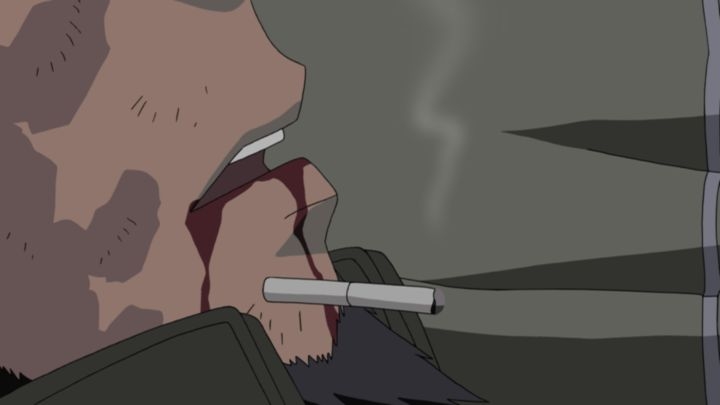
Asuma Sarutobi dies halfway through this arc, and it's one of the few deaths in the series that actually sticks and actually hurts. He isn't a legendary Sannin or a jinchuriki or a main character's parent. He's just a Jonin who taught his students how to play shogi and smoke responsibly. His death works because it happens to someone who felt real, someone who had a girlfriend (Kurenai) and a baby on the way and students who looked up to him without worshipping him.
The scene where he gets caught in Hidan's curse ritual is brutal. He coughs up blood, realizes he's done for, and still tries to get intel to Shikamaru before he goes down. There's no heroic sacrifice that saves the day, no last-minute rescue. He just dies in a field surrounded by subordinates who can't do anything but watch. 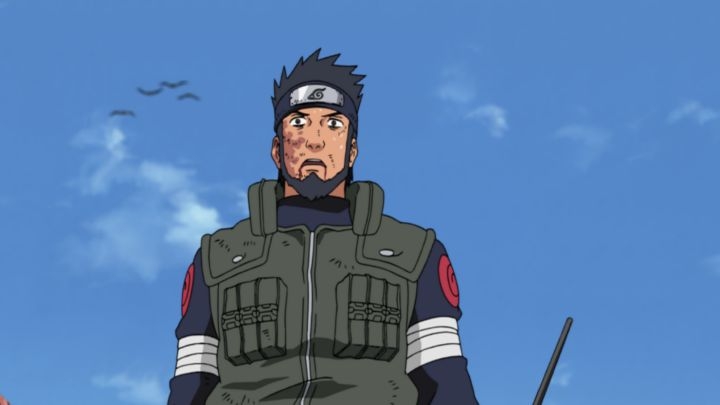
This death raises the stakes for the entire Akatsuki threat. Before this, Akatsuki captured tailed beasts off-screen or fought nameless sand ninja. Asuma's death proves they can kill your favorites, and they don't need a dramatic speech to do it.
Shikamaru's Revenge Plan
After Asuma dies, Shikamaru doesn't immediately run off screaming for blood. He breaks down in private, plays shogi with his dad, and cries where nobody can see him. 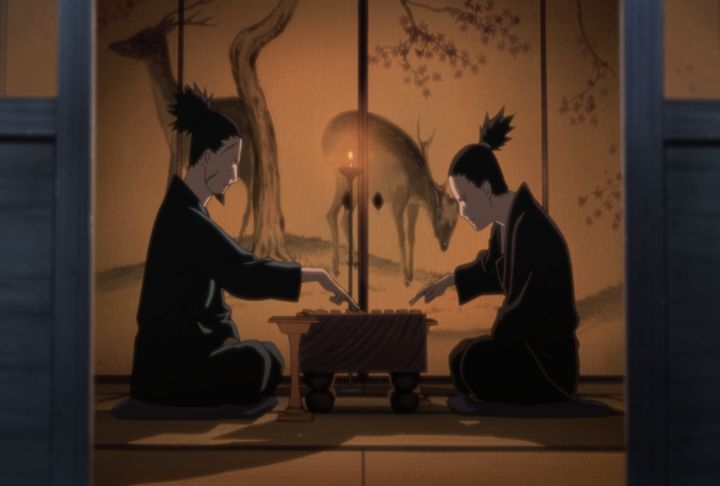
This quiet moment hits harder than any screaming match could. Shikamaru looks up at the moon and decides he's going to kill Hidan not because it's the ninja way, but because Asuma was his teacher and he can't let it go. 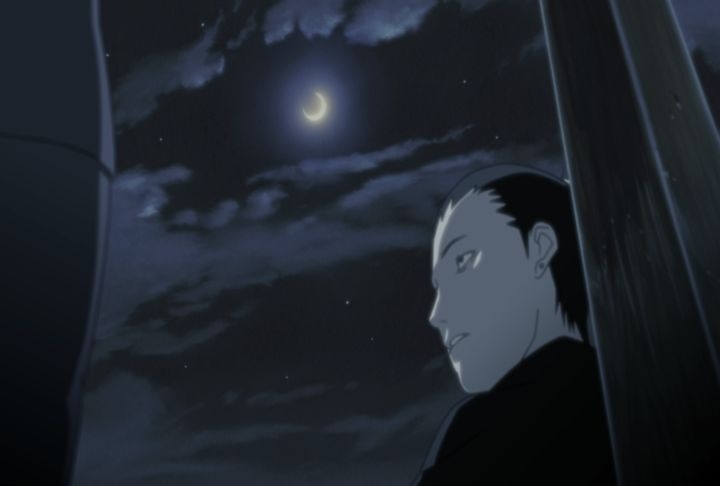
The revenge mission that follows is Shikamaru at his absolute best. He recruits Ino and Choji, gets Kakashi as backup, and executes a plan that involves separating the immortals, burying Hidan in a hole, and blowing him up with explosive tags triggered by Asuma's lighter. It's cold, it's calculated, and it works because Shikamaru thinks ten moves ahead while Hidan thinks with his pain receptors.
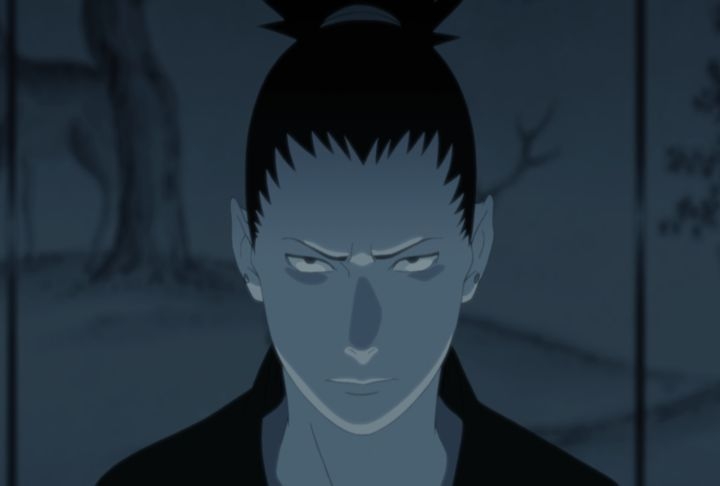
People call this the best arc in Shippuden, and CBR wrote a whole piece about why it works better than the bigger arcs. The key is that Shikamaru wins through preparation and smarts, not because he got a new power-up from a dead relative. He buries Hidan alive and leaves him there to starve forever, which is darker than anything else in the series. No forgiveness, no understanding, just a permanent solution to a problem that killed his teacher.
Naruto's Training Actually Matters Here
While Team 10 is dealing with grief, Naruto is in the woods cutting leaves and waterfalls. This training sequence works because it shows progress through repetition, not through sudden enlightenment. Kakashi explains nature transformation in a way that makes sense, Yamato keeps the Nine-Tails from exploding, and Naruto fails repeatedly until he doesn't.
The Rasenshuriken debut against Kakuzu hits hard because we watched Naruto earn it. He didn't get it from a prophecy or a spirit bomb from his friends. He figured out how to add wind chakra to the Rasengan through sheer stubbornness and thousands of shadow clones doing the work simultaneously.
When Naruto shows up to save Kakashi and Team 10 from Kakuzu, it's the first time he feels like he's caught up to Sasuke. He's not the dead last anymore. He's carrying a forbidden technique that destroys Kakuzu's cellular structure on contact, and he uses it with confidence that wasn't there before the time skip.
The Pain Arc Raises Everything
Then we get to the Pain Arc, and the scale explodes. But here's the thing: it doesn't forget the lessons from the Suppression Mission. Pain destroys Konoha. Not damages, not attacks, but literally wipes it off the map with a single move. Shinra Tensei flattens buildings, kills civilians, and turns the Leaf Village into a crater.
This works because we spent the last hundred episodes seeing how much this village matters. We saw Asuma die protecting it. We saw Shikamaru grow up in it. We saw Naruto finally getting acknowledged by the villagers. Then Pain takes it all away while Naruto is off training with the toads.
The invasion sequence is relentless. Konohamaru kills a Pain body with a Rasengan. Kakashi dies buying time for Choji to deliver intel. Tsunade drains her life force healing everyone she can reach. Shizune gets her soul ripped out. It keeps getting worse until Sakura screams for Naruto and he arrives on top of Gamabunta with Sage Mode active and a new red coat.
Nagato's Philosophy vs Naruto's Answer
Pain isn't just a strong guy with fancy eyes. He has a philosophy that makes sense if you're broken enough. He believes the only way to achieve peace is through shared pain, through cycles of revenge that eventually exhaust everyone into submission. He killed Jiraiya, destroyed the village, and pinned Naruto to the ground with chakra rods, then asked him how he would break the cycle of hatred.
Naruto's answer, that he doesn't know but he'll figure it out without killing Nagato, shouldn't work on paper. But it does because of everything that came before. Naruto carries the will of Jiraiya, the will of Asuma passed through Shikamaru, and the hope of the village. When he spares Nagato, it feels earned, not naive.
The Rinne Rebirth that revives everyone is the one weak point here. Reddit users have pointed out that keeping Kakashi dead would have made the victory cost something real. Instead, everyone comes back, which softens the blow of the village destruction. Still, the arc works because Naruto returns as a hero recognized by the village, finally achieving the acknowledgement he wanted since episode one.
Where It All Went Wrong After
Here's where I have to be honest. The Akatsuki arcs represent a high point that the series never hits again. After Pain, we get the Five Kage Summit, which is solid, and then the Fourth Great Ninja War, which is a mess. The War Arc introduces Edo Tensei resurrections of every dead character, which removes stakes completely because death stops mattering. Then we get Obito's reveal, Madara's infinite Tsukuyomi plan, and Kaguya showing up out of nowhere.
The power scaling goes from "skilled ninja with unique techniques" to "gods throwing meteors and rewriting reality." Sage Mode Naruto felt powerful but earned. Six Paths Sage Mode with truth-seeking orbs feels like fanfiction.
Some fans argue Shippuden should have ended after the Pain Arc, and while that's impossible because Sasuke's story wasn't done, I get the sentiment. The Akatsuki represented a threat that felt grounded despite their supernatural powers. They were terrorists with a plan, not ancient aliens with mommy issues.
The Team 10 Legacy
Looking back at the Suppression Mission, what sticks isn't the Rasenshuriken or Kakuzu's elemental masks. It's Team 10 standing on a rooftop together before the fight, knowing they might not all come back. 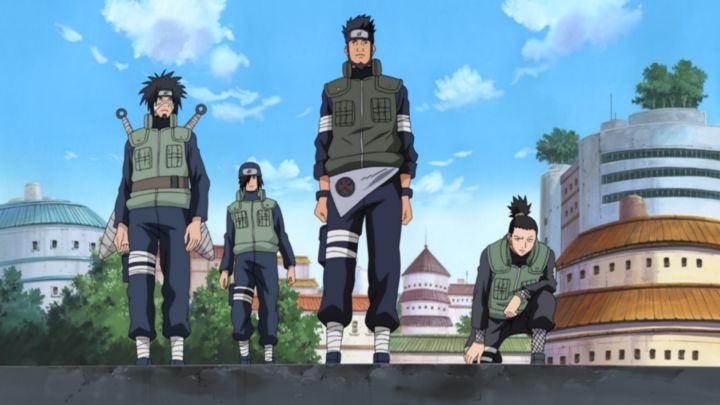
Choji overcoming his confidence issues to fight alongside Shikamaru. Ino using her mind transfer to help land the killing blow. Shikamaru lighting that cigarette and thinking about the "king" that Asuma told him to protect (the children of the village). These character beats land because they built up over hundreds of episodes of these three hanging out in the background.
Even the image of Hidan's severed head lying on the ground, cursing at Shikamaru, sticks with you because it's so visceral. 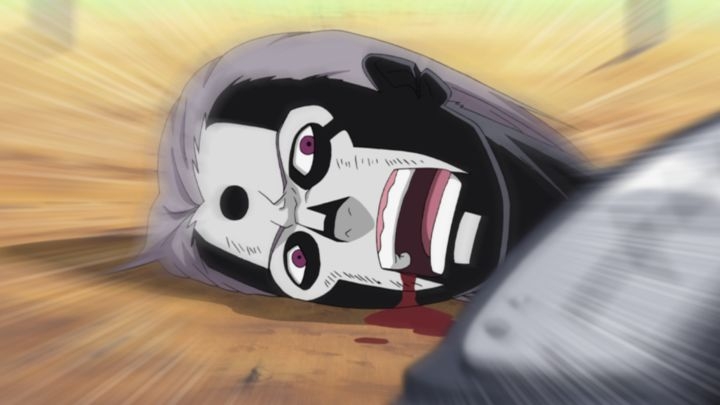
The Akatsuki arcs work because they treat death as permanent and strategy as valuable. They show that being a genius matters more than having a bigger chakra reserve. They prove that side characters can carry an arc without Naruto or Sasuke appearing every five minutes.
The Pain Arc pays off years of buildup regarding Jiraiya's training, the identity of the Akatsuki leader, and Naruto's acceptance by the village. When Naruto comes back and the villagers cheer for him instead of fearing him, it's the culmination of everything since the Land of Waves.
Naruto Shippuden Akatsuki arc analysis isn't just about ranking fights or power levels. It's about recognizing when a battle shonen remembered to be smart, emotional, and grounded. Before the aliens showed up and the power scaling broke, Kishimoto wrote a story about ninja dealing with loss, revenge, and forgiveness. That's why these arcs still hold up while the War Arc feels like a chore to rewatch. The Akatsuki were at their best when they were scary because they were unpredictable and lethal, not because they could destroy planets. We got to see Shikamaru bury a man alive and Naruto talk a god-complex villain into suicide by redemption. That's the good stuff. That's peak Naruto.