
One Week Friends anime review threads usually start with people calling it the coziest thing they've watched that season, and I get that impulse because the colors are soft and nobody's screaming, but sitting through all twelve episodes reveals a show that can't decide if it wants to be healing fluff or trauma drama. You've got Kaori Fujimiya who loses every memory of her friends each Monday morning thanks to this weirdly specific anime amnesia that only wipes social bonds while leaving math equations and cooking skills intact, and Yuki Hase who decides he's going to ask her to be friends every single week like some kind of emotional groundhog day scenario.
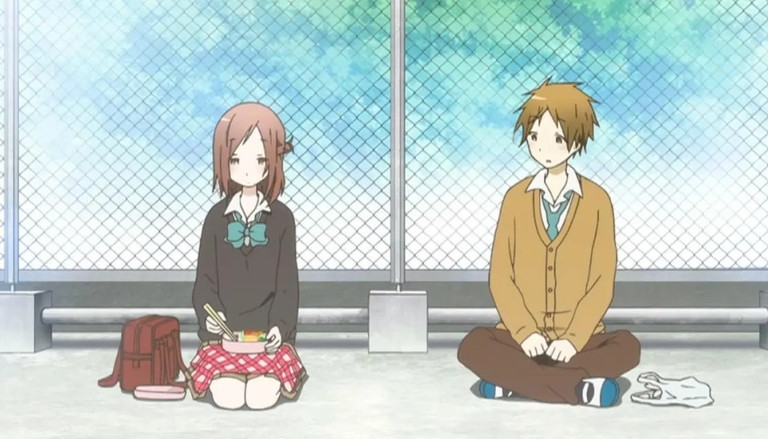
The hook is solid even if the science is fake. Hase notices this girl eating lunch alone on the roof and instead of leaving her alone like a normal person he keeps bugging her until she explains she can't remember anyone from the previous week, so he proposes they become friends every Monday and she keeps a diary to track their interactions. It's cute for the first half. The problems start when the show tries to get serious in the back half and introduces childhood trauma and old friends returning, which kills the vibe that made the first six episodes watchable. The show never commits to being a serious psychological look at memory loss like some people expected based on the synopsis, but it also won't stay light and fluffy enough to be a true comfort watch.
The Premise Sounds Heavy But Plays Light
The show takes this genuinely sad concept about a girl who can't form lasting connections and filters it through the softest possible lens. Kaori's condition isn't realistic by any stretch. She forgets friends but remembers her parents, remembers school lessons, remembers how to cook, which makes no sense if you're going for medical accuracy but this is anime so you roll with it and hope the emotional core holds up. For a while it does. Watching Hase relearn how to approach her each week, watching him figure out that he can't just pick up where they left off because she literally doesn't know his name, that's interesting stuff. He brings her a diary and suggests she write down what they did together, and she starts to open up and make other friends and you think maybe this is going somewhere.
But the show is scared of its own premise. It introduces Shogo Kiryuu, Hase's best friend who never smiles and calls things like he sees them, and Saki Yamagishi who is so forgetful she makes Kaori look like a memory champion, and suddenly you've got this friend group vibe that feels forced. Saki talks slowly and acts like a child and some people find her adorable but others find her annoying, and honestly she's mostly there to give Shogo someone to bounce off of while Hase obsesses over Kaori. The show keeps insisting this is about friendship not romance but Hase is clearly crushing hard and Kaori keeps making him lunch and writing about him in her diary, so the mixed signals get tiresome. They share an umbrella in the rain, they walk home together, they study math on the roof, and the show wants you to believe this is purely platonic even though Hase gets jealous when she talks to other guys.
The diary itself is a decent workaround for the memory issue. She writes detailed entries every night about who she met and what they did, then reads it Monday morning before school. The show shows her flipping through pages, seeing her own handwriting describing feelings she can't recall, and sometimes she cries because she wants to remember but can't. Those moments land. But then the next scene is some silly comedy bit about Saki forgetting her textbook and the tonal whiplash hits hard. The pacing in the first six episodes is slow and methodical, showing the same Monday routine with slight variations as Hase gets better at reintroducing himself, but then they start adding plot threads that don't fit.
One Week Friends Anime Review Communities Are Split on the Ending
Here's where the forums start fighting. Around episode nine the show introduces Hajime Kujou, some kid from Kaori's elementary school who knew her before the accident or trauma or whatever caused the memory thing. He shows up and acts like a jerk and suddenly Kaori is having flashbacks and the show tries to explain her condition with this convoluted backstory about a car accident and social anxiety that doesn't really hold together under scrutiny. Some viewers think this adds necessary depth and gives closure to why she is the way she is, but others think it's a cheap way to inject drama into a show that was doing fine just watching kids eat lunch on a roof.
The ending doesn't help. After all this buildup about whether Kaori will remember Hase permanently or if they'll solve the trauma, the show ends with them basically in the same place they started. She's still writing in the diary, he's still asking to be her friend every week, and while there's a slight change to their Monday routine that suggests progress, it feels like a copout. People who wanted a romance are mad because they never kiss or even confess properly. People who wanted a psychological deep dive are mad because the memory loss explanation is handwavey at best. The only people who are happy are the ones who just wanted twelve episodes of soft piano music and pastel colors, and for them it delivers, but if you wanted plot resolution you're out of luck.
Looking at Reddit discussions, you see this split clearly. Half the posters call it a heartwarming story about persistence and the value of friendship in the moment, while the other half complain that nothing happens and the protagonist's efforts never amount to permanent change. Both are right. The show wants to have its cake and eat it too, suggesting that Kaori is getting better and might eventually remember, but not actually showing that happen, which makes the twelve-episode investment feel questionable.

Characters Who Carry the Show
Despite the story problems, the main cast is likable enough that you don't turn it off. Kaori starts off cold and distant because she's been burned before, friends getting mad when she forgets them, so she puts up walls. Once she starts trusting Hase she becomes this cheerful girl who loves math and cooking, and her smile animation is genuinely sweet. She makes these terrible puns about eggs and math problems that are so bad they're good, and she puts serious effort into her diary entries, decorating them with drawings and stickers. Hase is a decent guy for the most part, though he gets jealous when Kaori starts talking to other people which is realistic but also makes him look petty. He apologizes for it though, which is more than most anime protagonists manage.
Shogo is the breakout character. He's the one who actually gives good advice, who points out when Hase is being selfish, who treats Kaori normally instead of walking on eggshells. He doesn't smile, he doesn't do the anime best friend comedy shtick, he just tells the truth and it's refreshing. When Hase is angsting about whether to tell Kaori his feelings, Shogo tells him to stop being an idiot and just be honest. When Saki is being too clingy, Shogo tells her to back off. He's the emotional anchor that keeps the show from floating away into pure saccharine nonsense.
Saki is more divisive because her whole personality is being forgetful and talking slow, and while she creates some funny moments with Shogo, she doesn't add much to the central plot. She exists to create a four-person group dynamic and to show that Kaori isn't the only one with memory issues, but her problems are played for comedy while Kaori's are played for drama, which feels inconsistent. Kaori's mother is great though, she's supportive and lively and honestly I wanted more scenes with her because she's the only adult who seems to have a handle on things. She bakes cookies for Hase and checks in on her daughter without being overbearing, which is rare in anime parents who are usually either dead or completely absent.
Technical Stuff That Really Works
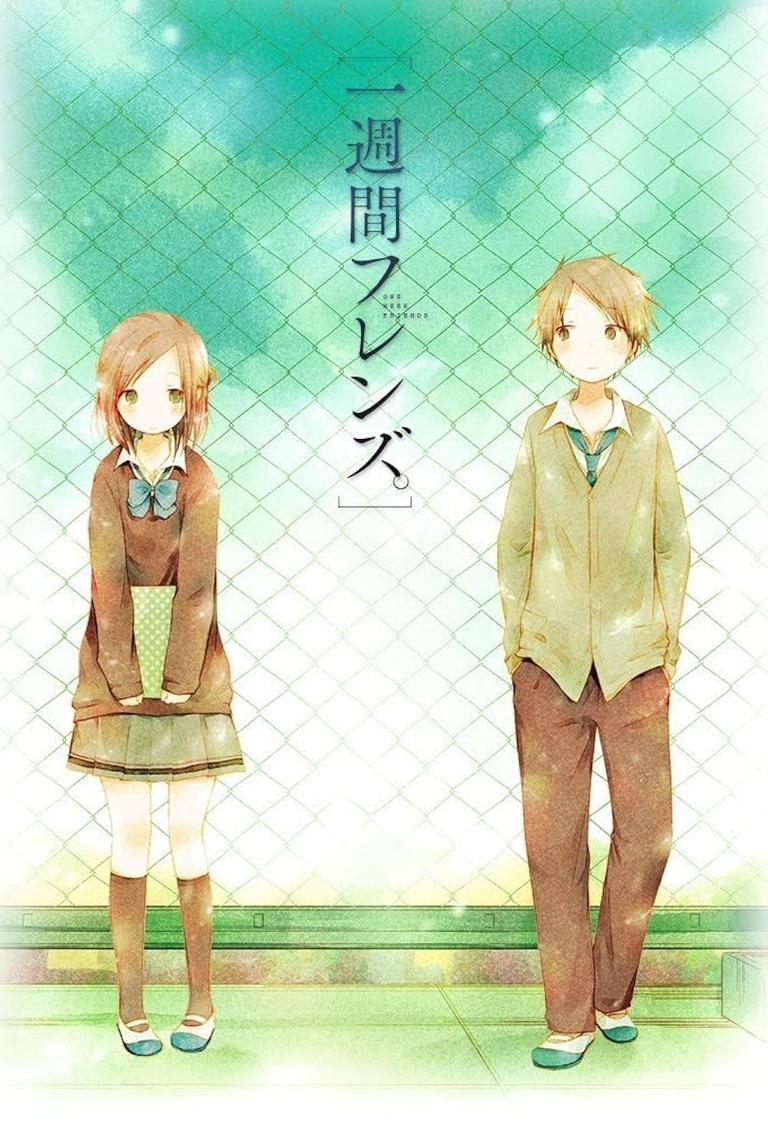
Visually the show knows what it's doing. The character designs are simple, soft lines and gentle colors, no sharp edges or crazy hair colors that you see in other high school shows. The backgrounds are painted in this watercolor style that makes everything look like spring even when it's supposed to be winter. Brain's Base did the animation, and while they're not Kyoto Animation, they know how to make food look good and they know how to animate subtle facial expressions. Kaori's face changes when she's faking a smile versus when she's actually happy, and you can see the difference in her eyes.
There's a beach episode because every anime needs one, but surprisingly it doesn't go for the usual fan service shots. Nobody's bikini is emphasized, there aren't any camera angles focused on body parts, it's just kids having fun at the beach which is rare these days. Apparently the source material and the anime adaptation both avoid that stuff entirely, which is refreshing if you're tired of every slice of life turning into a panty shot festival. The THEM Anime review notes this specifically, saying the complete lack of offensive content is almost weird in modern anime, and they even suggest some mild fan service might have improved it, which is a wild take but shows how sterile the show is.
The music is low-key piano and strings, nothing that hammers you over the head but it keeps the mood gentle. The opening theme by Suga Shikao is upbeat and bouncy, contrasting with the slower ending song. The voice acting is solid, Kaori sounds soft and hesitant when she's distant but brightens up as she gets comfortable, and Hase's voice has this earnest quality that sells his persistence even when the writing gets shaky. Shogo's voice is deep and deadpan, perfect for his character.
Where the Pacing Falls Apart
The first six episodes follow a pattern. Monday comes, Kaori forgets, Hase asks to be friends, they hang out, she writes in the diary, Sunday ends with a sweet moment. It's repetitive but comforting, like a weekly ritual. Then episode seven hits and they try to introduce Saki and Shogo's dynamic, and episode nine brings in Hajime, and the show tries to become a different genre. Suddenly we're dealing with childhood trauma and car accidents and Kaori's medical records, and it feels like the writers panicked and thought viewers would get bored without drama.
The problem is the drama isn't earned. Hajime shows up, acts antagonistic for no good reason, triggers Kaori's memories, then leaves without much resolution. The show tries to say that facing him helps her grow, but she still can't remember past Mondays consistently, so what changed? The pacing in these later episodes feels rushed, like they realized they only had three episodes left to explain everything and just dumped exposition through flashbacks. It leaves a sour taste because the early episodes were so patient, letting the friendship build slowly, and then the ending is just cramming plot points in to check boxes.
The Attack On Geek review mentions this specifically, noting that while the first half progresses slowly, the events and character development are effectively portrayed, but the introduction of the childhood trauma angle weighs down the latter quarter. The show works best when it's just Hase and Kaori eating crepes or studying for tests, not when it's trying to be a psychological thriller about repressed memories.
The Memory Loss Trope and Anime Logic
Let's talk about the mechanics because they bug me. Kaori loses memories of friends specifically, not family, not teachers, not factual information. This is explained as psychological trauma from elementary school where she felt betrayed by friends, so her brain protects her by wiping social bonds. That's not how dissociative amnesia works in real life, but fine, it's anime. The issue is the show wants to have it both ways. It wants the tragedy of her condition to feel real and heavy, but it also wants the convenience of her remembering Hase's name sometimes when the plot needs her to, or remembering specific conversations when it serves the drama.
The diary is a decent workaround. She writes down everything, reads it Monday morning, and can functionally maintain friendships through written records. But the show never addresses how exhausting that must be, how stressful it would be to read about experiences you don't remember having, to see your own handwriting describing emotions you can't recall. It glosses over the darker implications to keep things light, which is fine if you're making a fluffy show, but then don't introduce child trauma and car accidents in the final act. Pick a lane.
Comparing it to Golden Time, another anime with memory loss, One Week Friends looks even more simplistic. Golden Time dealt with the frustration and identity crisis of memory loss in a much messier, more realistic way, while One Week Friends treats it like a cute gimmick that occasionally causes sad moments.

Why Six Out of Ten Is the Perfect Score
Looking at reviews from DoubleSama and Attack On Geek, you see a lot of sixes and sevens, and that's exactly right. One Week Friends isn't bad. It's watchable, it's sweet, it won't offend you or gross you out. But it's not great either. The story goes nowhere, the romance stalls, the side characters get more development than the leads in some episodes. It's the definition of a show that's good enough to finish but not good enough to remember five years later unless someone specifically asks about it.
The comparison to Teasing Master Takagi-san comes up a lot because both have this will-they-won't-they energy with clear crushes but no resolution. At least Takagi-san commits to the bit and keeps the tone consistent. One Week Friends shifts gears halfway through and suffers for it. If you're looking for a chill show to watch while doing laundry or cooking dinner, this is perfect. You don't need to pay close attention because nothing complex happens. The dialogue is simple, the conflicts are minor, and even the "serious" episodes are mild compared to actual drama anime.
The MyAnimeList reviews consistently mention that it evokes laughter and smiles, which is true, but they also note the premise is far-fetched and the ending unsatisfying. It's a show that transforms a delicate subject into a pleasant slice-of-life high school story, but in doing so it sanded off all the edges that could have made it memorable.
Where to Watch and Who Should Bother
It's streaming on Crunchyroll if you want to give it a shot, and at twelve episodes it's not a huge time investment. Don't go in expecting Your Lie in April levels of emotional devastation despite the memory loss premise. Don't expect Toradora levels of romantic payoff either. Expect a show about a guy asking a girl to be friends every week, some nice piano music, and an ending that will leave you saying "that's it?"
If you like slice of life anime that stays in the comfort zone, you'll enjoy this. If you need your stories to have conclusions or your characters to grow in measurable ways, skip it. It's rated PG, no violence, no fan service, just some mild cursing and one scene where someone got hit by a car in a flashback but you don't see anything graphic. Good for younger viewers or people who want something wholesome without being saccharine, though younger kids might find the slow pacing boring.
One Week Friends anime review discussions always come back to whether the journey matters more than the destination, and for this show that's literally true because there is no destination. Hase and Kaori are basically in the same place at episode twelve as they were at episode one, just with a few more shared experiences that she'll forget anyway. The show tries to sell this as hopeful, that the act of friendship itself is worthwhile even without memories, but it feels like a copout to avoid writing a real ending.
That said, if you need something soft and non-threatening to watch on a bad day, this hits the spot. It's like a warm blanket that's slightly too small. It covers the important parts but your feet are still cold. The art is nice, the characters are fine, and it won't stress you out. Just don't think too hard about the premise or you'll start asking questions the writers clearly didn't want to answer. It's a six out of ten, a solid "fine," and sometimes that's enough.