
Prison School anime character dynamics aren't about friendship or romance in any normal sense. They're about five guys who can't talk to each other without everything falling apart, and three women who have dedicated their lives to making sure those guys suffer. The show tricks you into thinking it's just extreme fan service with its panty shots and toilet humor, but the real engine driving every plot point is raw interpersonal dysfunction that feels uncomfortably real even when the situations are absurd.
Kiyoshi Fujino is the protagonist everyone projects onto, but he's not a good guy in the traditional sense. The show goes out of its way to establish that he's driven by hormones and deception, not some noble heart. He's smart enough to scheme his way out of the underground prison, but he's too stupid to tell his friends the truth about why he needs to escape. This creates a ripple effect where every relationship he has, whether with the guys or the girls, is built on a foundation of lies that inevitably crumbles. You see this immediately in how he handles the sumo tournament situation, faking interest in the sport and wearing Hana's panties (long story) just to maintain a facade that nobody asked for.
The male friendship dynamics are where the show gets genuinely interesting beneath all the ecchi comedy. You start with five guys who are supposed to be bros, but the moment stress hits, they fracture into a mess of passive aggression and silence. Episode five is brutal in this regard because it shows how fast youthful pride turns into emotional poison.
When the Brotherhood Breaks Down
The five male students enter Hachimitsu Academy thinking they're going to live the dream of being the only guys in an all-girls school, but they end up in an underground prison watched by the Underground Student Council (USC). At first, there's this sense of camaraderie, like they're all in this together against the tyranny of Mari, Meiko, and Hana. That solidarity lasts about five minutes before Kiyoshi's individual schemes start driving wedges between them.
Gakuto starts as Kiyoshi's right-hand man, his co-conspirator in the escape plans. Their relationship is defined by transaction at first. Gakuto helps with the digging and the planning, but he wants his Three Kingdoms figures in return. When things go south after the sumo matches, Gakuto's loyalty evaporates not because he hates Kiyoshi, but because he lacks the emotional vocabulary to process betrayal without tangible compensation. He's fiery and loud when he's getting what he wants, but the moment Shingo confronts him about Kiyoshi's lies, Gakuto folds. He withdraws his defense and denies involvement because he doesn't have the motivation of plastic figurines to fuel his courage.
Shingo is even worse when it comes to communication. He's emotionally guarded to the point of self-sabotage. When he finds out about Kiyoshi's secret escape, he doesn't sit down and have a conversation about feeling left out or betrayed. Instead, he launches a crusade of vengeance and alienation without ever verbalizing what actually hurt him. The show portrays this raw anger between male characters in a way that's rare for anime, which usually substitutes rivalry or passive-aggressive sniping for genuine emotional confrontation. Shingo ignores Kiyoshi's existence, turning the metaphorical prison into a real-world isolation chamber where pride prevents any resolution.
Andre is the weird outlier here because his character arc actually moves toward emotional maturity, unlike everyone else who just digs deeper holes. He starts as a complete masochist who worships Meiko Shiraki with religious fervor, enjoying every beating she delivers. But eventually, he realizes that his fetish for Meiko's violence is empty compared to the genuine emotional connection he forms with Risa. While Kiyoshi and the others are still playing games with women's underwear and fake confessions, Andre actually grows up enough to choose real connection over shallow fantasy. It makes him the only moral success story in the entire cast.
The USC and Their Twisted Authority
The Underground Student Council operates on pure authoritarianism fueled by misandry. Mari Kurihara runs the show with an iron will, Meiko Shiraki serves as her physical enforcer and bizarre mascot character, and Hana Midorikawa handles the dirty work with unpredictable violence. Their dynamic with the male prisoners isn't just about punishment; it's about psychological domination.
Mari genuinely hates men, or at least she thinks she does until Kiyoshi starts complicating her worldview. After the incident with the snake venom where Kiyoshi helps her survive, she develops this begrudging respect for him that borders on romantic interest. It's not a tsundere thing where she's secretly in love the whole time; it's more like her absolute certainty about male inferiority gets cracks in it, and she doesn't know how to process that except by doubling down on the cruelty or occasionally acknowledging his existence as a human being.
Meiko is established as Mari's closest friend and subordinate, but her character is mostly defined by her physical presence and the extreme fan service surrounding her. She's got the glasses, the huge chest, the whip, and the serious demeanor, but there's not much interiority there compared to the others. She follows orders and provides the muscle, though some interpretations suggest her relationship with Mari runs deeper than simple friendship. Either way, she serves as the immediate physical threat that keeps the boys in line, and her dynamic with Andre specifically is fascinating because she represents everything he thinks he wants until he realizes it's hollow.
Hana is where the character dynamics get really weird and uncomfortable in the best way. She develops feelings for Kiyoshi, but because she's been taught to view men as enemies and because Kiyoshi keeps accidentally humiliating her (particularly with the public urination incidents and underwear swapping), her affection manifests as violent obsession. She can't just admit she likes him, so she pursues him with the intensity of a predator, creating this bizarre love-hate relationship where she wants to hurt him and kiss him in equal measure. When she exposes his secrets during the confession scene with Chiyo, it's not just jealousy; it's the culmination of their entire twisted dynamic where intimacy and violence got tangled together.
The Fake Harem and Real Consequences
People argue about whether Prison School counts as a harem anime, and the answer is technically yes but functionally no. You've got Hana with her violent affection, Chiyo with her genuine romantic interest, and even Mari showing signs of attraction, plus various side characters like Slut-senpai who interact with the boys. But unlike a standard harem where the protagonist gradually wins over the girls through kindness or competence, Kiyoshi accumulates romantic tension through deceit and accidents.
Chiyo Kurihara is the normal girl, the student council president's sister who just wanted to join the sumo club and have a wholesome school life. She represents the straightforward romance that Kiyoshi claims to want, but he sabotages it at every turn because he can't stop being a mess. He fakes an interest in sumo for her, lies about his activities, and wears another girl's panties on his head (again, long story), all while claiming Chiyo is his pure ideal. The dynamics here show that Kiyoshi doesn't actually want a real relationship; he wants the idea of one while maintaining the freedom to be a disaster.
The manga goes further with this, showing that Gakuto faces a similar choice between Mitsuko, who shares his Three Kingdoms obsession, and Slut-senpai, who learned about the Three Kingdoms specifically for him. He fails to choose between them, paralyzed by indecision and the fear of commitment, so both women leave him. This parallel between Kiyoshi and Gakuto reinforces the show's central thesis that these guys aren't just unlucky; they're immature and unable to handle adult emotional responsibility.
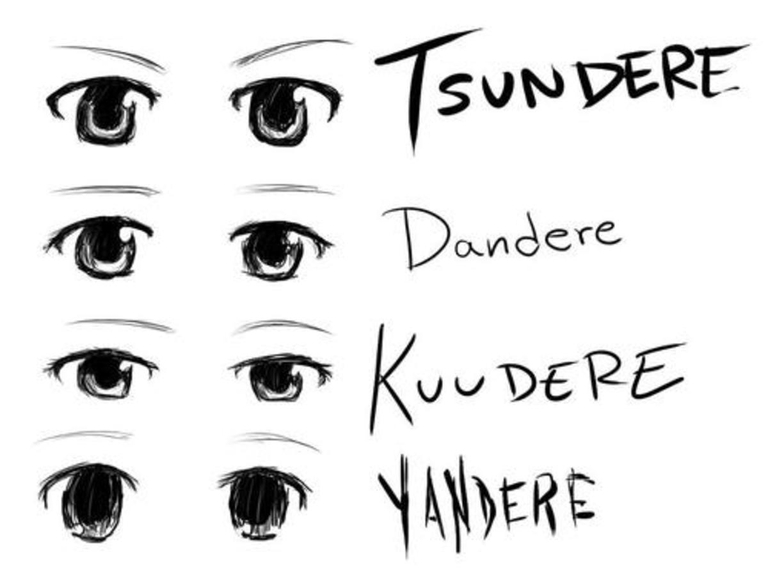
The character archetypes in Prison School play with these tropes but twist them into something uglier. You don't get the standard dere-types here. Hana isn't a tsundere; she's genuinely dangerous. Mari isn't a kuudere; she's a fascist with a soft spot she hates having. Meiko isn't just the busty senpai; she's a weapon. The show takes the visual language of harem comedy and attaches it to dynamics that are actively toxic and self-destructive.
Why the Non-Communication Hurts to Watch
The most painful aspect of Prison School anime character dynamics is how accurately they portray the way young men fail to communicate. When Shingo starts ignoring Kiyoshi entirely, when Gakuto refuses to stand up for him because it's easier to stay silent, when none of them can just say "I'm hurt" or "I'm sorry," it hits different from standard anime conflict. Most shows would resolve this with a fist fight followed by a heartfelt conversation. Prison School lets the silence fester until it becomes psychological torture.
There's this moment in the OVA content where the guys briefly acknowledge Kiyoshi's nature, affirming that they understand who he is deep down, but even that moment is fraught with the history of their failures to connect. The show creates this masochistic partnership between the characters and the viewer where you keep watching because the dysfunction is compelling, not because you want to see them succeed.
The dynamics between the USC members themselves aren't much healthier. Mari's leadership style is dictatorial, Meiko's loyalty is absolute to the point of self-erasure, and Hana's instability threatens the group's cohesion constantly. They function as a unit against the boys, but their internal dynamics suggest that if they weren't united by their hatred of men, they'd fall apart just as fast as the male group did.
Kiyoshi's relationships with both Hana and Mari evolve into these peculiar standoffs where physical violence and romantic tension become indistinguishable. After the snake incident with Mari, there's this weird mutual respect that doesn't translate into friendship but definitely complicates their adversarial relationship. With Hana, the cycle of revenge involving urine and underwear becomes a twisted courtship ritual that neither of them knows how to exit gracefully.
The Deconstruction of Shallow Protagonists
The show ultimately serves as a deconstruction of the shallow male protagonist common in ecchi anime. Kiyoshi performs good deeds sometimes, like helping Mari with the snake venom or trying to protect his friends, but the series argues that this doesn't make him a good person. His actions are still driven by lust, deception, and immaturity, and the character dynamics reflect that his good moments don't cancel out the harm caused by his lies.
When he finally tries to confess to Chiyo, his history of deception collapses on him. Hana exposes his panty-wearing secret, he accidentally urinates on both girls (yes, this happens), and Chiyo rejects him not because she's cruel, but because he's shown her repeatedly that he can't be honest. The dynamics here punish him for being the kind of protagonist who usually gets away with everything in other anime.
Andre's arc contrasts with this because he actually learns. He moves from worshipping Meiko's dominance to valuing Risa's genuine connection, showing that growth is possible in this universe if you're willing to be honest about what you actually need. The other guys never reach this point; they end the series still trapped in their cycles of deception and cowardice.
The male group dynamics never fully recover from the sumo arc betrayal. Even when they work together again, there's this residue of distrust that the show doesn't wipe away with a simple friendship speech. Shingo and Kiyoshi never have that cathartic conversation where they air their grievances. Gakuto never fully commits to defending Kiyoshi without expecting payment. The prison they're in might be physical, but the real bars are their inability to communicate like adults.
Prison School anime character dynamics work because they refuse to give you the satisfaction of clean resolutions. The characters are too flawed, too young, and too trapped by their own pride to fix things properly. You watch it for the comedy and the extreme situations, but you remember it because the relationships feel uncomfortably real in their messiness. The show doesn't want you to admire these people; it wants you to recognize the parts of yourself that would rather lie than face conflict, that would rather stay silent than risk vulnerability, and that would sabotage a good thing because you're too immature to handle it.
The series ends with most of these dynamics unresolved because that's the truth of the situation. You don't fix years of emotional constipation in one season. Kiyoshi is still lying, Hana is still violent, Mari is still conflicted, and the guys still can't have an honest conversation without it turning into a screaming match or a silent treatment. That's what makes it stick with you long after the fan service fades from memory.