
People lost their minds over Redo of Healer because it showed things anime usually implies in shadows. Keyaru doesn't just get revenge, he drags his abusers through hell and makes them pay in ways that made sensitive viewers cry for immediate censorship. The Redo of Healer anime controversy and themes aren't about cheap shock value despite what angry Reddit threads tell you. This is a story about a healing hero who gets treated like disposable trash, discovers his powers can copy skills and rewrite memories, then rewinds time four years to systematically destroy the kingdom that broke him while exposing how rotten the whole system was from the start.
Most critics watched two episodes and wrote their hot takes for clicks. They missed the part where this show is a scathing critique of power structures and the way societies chew up useful people then spit them out when they're done. Yeah, it's got graphic sex and violence that pushes boundaries. But pretending that's the whole point is lazy and ignores the fact that Keyaru is a male rape victim in a medium that usually treats that as a joke or ignores it completely. The anime forces you to watch a broken person decide that forgiveness is for suckers and mercy is a luxury he can't afford anymore.
The Three Versions And Why Nobody Knew What They Were Watching
The anime aired in three completely different cuts and most of the outrage came from people who didn't know there were different versions and accidentally watched the uncut stuff without warning. The TV broadcast version was heavily censored with white light and steam covering anything remotely spicy. Then there was the "Redo" version on streaming services that had less censorship but still hid the extreme stuff. Finally there was the "Complete Healing" version on AT-X that showed everything including the sexual violence and revenge scenes that made people faint on social media.
This created a weird situation where half the audience thought the show was just another edgy fantasy while the other half saw content that was basically hentai with a plot. The IMDb page lists it as a dark revenge fantasy but that doesn't capture the confusion people felt when they clicked the wrong episode. The production studio knew exactly what they were doing by releasing multiple versions because it let them sell the shock while maintaining plausible deniability for the broadcast stations.
Keyaru's Powers Are Broken And That's The Whole Point
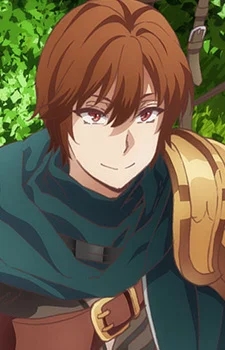
Keyaru starts as a naive village kid with rare healing magic that everyone thinks is weak because it doesn't blow things up. In this world, healers are rare but treated like disposable batteries to be drained until they die. The princess Flare and the other heroes drug him, rape him, and use his magic to fuel their war machine for four years straight until he's a hollow shell. By the time he gets the Philosopher's Stone and rewinds time, he's already lost his mind and figured out that healing magic can do way more than fix scraped knees.
His "Heal" ability doesn't just restore health, it can revert damage to its original state which means he can de-age people or heal them into different forms. "Imitation" lets him copy any skill from people he touches. "Predator" absorbs levels and mana. "Corruption" causes internal destruction. "Upgrade" modifies stats. But the scary one is his ability to rewrite memories and personalities which he uses to turn Flare into Freia, a loyal servant who has no memory of being a monster. The VS Battles Wiki breaks down how these powers work mechanically but the story uses them to ask what happens when a victim gets godlike power over their abusers.
Why The Revenge Isn't Satisfying In The Way You Think
Most revenge anime pull their punches at the last second. The hero gets strong, beats the bad guy, and takes the high road because the writers want to keep the protagonist likable. Keyaru doesn't do that. He commits fully to being a monster to fight monsters. He brainwashes Flare into loving him, he does the same to her sister Norn turning her into Ellen, and he systematically destroys the social structures that enabled his abuse. This isn't justice. It's cold, calculated payback that leaves him empty inside.
The show doesn't let you enjoy the revenge scenes without feeling dirty. When Keyaru breaks Flare's fingers one by one or when he enacts his payback on Blade, the camera doesn't look away but it also doesn't celebrate. It just shows you what happens when someone decides that the only way to heal is to make others hurt worse than they did. The Reddit rant calls it the worst thing ever seen but that reaction misses that the show wants you to feel uncomfortable with the protagonist's choices.
The Author's 50 Hardcore Fans Strategy
Rui Tsukiyo gave an interview where he explained the "100 people" theory that explains why he didn't care about the controversy. He said he'd rather have 50 hardcore fans who buy every light novel volume and all the merchandise than 100 casual viewers who don't care and won't spend money. He aimed for a specific audience that wanted this exact type of dark revenge fantasy and he ignored the haters completely because they weren't his customers anyway. The surprisingly candid interview reveals he was playing on trends and interests without pretending it was some deep personal passion project.
This wasn't an accident or a mistake in judgment. It was a calculated business strategy that worked because the light novels sold over 800,000 copies and the anime got a second season announcement despite the backlash. He knew that in the current anime market, controversy sells better than mediocrity. By making something that people either loved passionately or hated intensely, he guaranteed that the core fans would support the series financially while the noise from detractors just provided free advertising.
The Kingdom Is The Real Villain Here
The Jioral Kingdom isn't just a backdrop for Keyaru's revenge. It's a failed state that creates monsters like Flare and Norn through its corrupt system. The borders are undefended, demi-humans are enslaved and hunted for sport, villages outside the capital are left to starve, and the nobility runs on pure power abuse. Keyaru's revenge exposes how broken everything is. When he fixes Kureha Clyret's arm using his healing, she realizes the kingdom lied to her about everything and that she was just a tool to be discarded when broken.
The Medium article about the big picture argues that the princesses weren't born evil, they were raised in a system that rewarded cruelty and punished mercy. Flare and Norn act like entitled tyrants because that's what the kingdom taught them to be. Keyaru's "mind heal" or brainwashing creates versions of them that are kind and helpful, which suggests that in a different environment with different incentives, they could have been decent people. The show uses extreme content to highlight how power corrupts absolutely and how systems of abuse create more abusers.
Why Women Actually Watch This Show
Despite the graphic content and harem elements, a surprisingly high percentage of the viewership was female. This confuses people who think it's just male power fantasy but it makes sense when you look at what the show actually does. It's one of the few anime that treats male sexual assault seriously and shows the lasting trauma and psychological damage. Keyaru doesn't just get over it and become a hero. His trauma drives every single decision he makes and he struggles with trust and intimacy throughout the story.
He's not a cool confident anti-hero. He's a mess who happens to be right about the kingdom being rotten. The female characters in his harem aren't just trophies, they're broken people who found each other. Setsuna was a slave from the Ice Wolf clan who was forced to fight to prove her worth. Eve Reese lost her entire clan to genocide. They're drawn to Keyaru because he understands what it means to be used by the powerful. The show gives them agency even within the messed up power dynamics, which resonates with viewers who are tired of one-dimensional female characters.
The Brainwashing Debate And Moral Lines
The most controversial aspect isn't the violence, it's the fact that Keyaru brainwashes Flare and Norn into being his allies and lovers. He erases their memories of being cruel princesses and replaces them with false histories where they were always kind. Some viewers call this worse than killing them because it destroys their identities. Others argue that given what they did to him and countless other victims, they lost their right to autonomy.
The show doesn't give easy answers. Keyaru knows he's crossed lines that can't be uncrossed. He calls his companions "toys" and treats them as tools for his revenge, but he also shows them more kindness than they ever showed him. He doesn't pretend what he's doing is right. He just doesn't care about being right anymore. He cares about results and making sure the people who broke him suffer until the end of time.
The Alternate Timeline Where Everyone Is Nice
There's a spin-off manga called Hospitality of Healer or Kaifuku Jutsushi no Omotenashi where Keyaru travels back in time but decides not to seek revenge. Instead he opens a cafe and lives a peaceful life because he realizes everyone was capable of kindness in the right circumstances. This alternate timeline proves the point that the original story is making about environment and systems. In the main timeline, the kingdom creates monsters. In the spin-off, without the pressure of a corrupt society, the same people are decent and friendly.
This breaks the brains of people who want to write the show off as pure edge. If the author just wanted shock, they wouldn't create an AU where Keyaru is happy and nobody gets hurt. It shows that the revenge plot is a choice the character makes because of trauma, not because the world inherently requires violence. The existence of the cafe AU makes the main story sadder because it proves things could have been different if anyone had shown Keyaru mercy the first time around.
Comparing It To Shield Hero Misses The Point
People always bring up Rising of the Shield Hero when talking about Redo of Healer because both feature falsely accused heroes who get revenge. But the comparison falls apart when you look at the details. Naofumi gets accused of rape and then spends the whole story proving he's a good person who would never do such a thing. Keyaru actually was raped and decides that being a good person is a waste of time. Shield Hero pulls its punches and goes back to standard heroics. Redo of Healer commits to the bit and stays dark.
The author specifically mentioned Shield Hero in interviews as an example of what he didn't want to do. He hated how revenge stories in anime always devolve into the hero forgiving everyone and becoming an overpowered harem protagonist who forgets why they were angry. Keyaru never forgives. He never forgets. He gets his harem but it's messed up and transactional and based on manipulation rather than true love. The story keeps the edge sharp instead of sanding it down for comfort.
Is It Just Hentai With A Plot
The line between ecchi and hentai gets blurry here. The anime has explicit sex scenes, sexual violence, and revenge using sex as a weapon. AT-X broadcast it uncensored with everything shown. But it also has a complex plot about political intrigue, magic systems, and the collapse of a kingdom. Calling it just porn ignores the story elements. Calling it just a story ignores the fact that it's designed to arouse while it shocks.
The truth is it is both. It is a dark fantasy story with things to say about trauma and power, and it is also a vehicle for extreme sexual content that would be illegal to film with real actors. The controversy comes from the fact that it refuses to pick a lane. It wants to be taken seriously as a revenge narrative while also showing graphic content that makes serious analysis difficult. This hybrid nature is exactly what makes it so divisive.
The Demons And The Rotten System
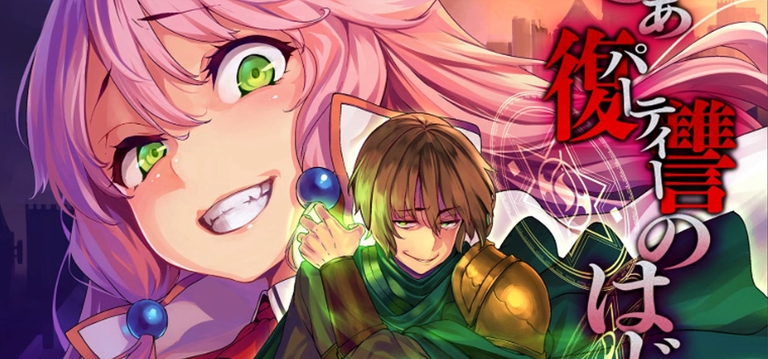
Eve Reese and the Black Wing Clan add another layer to the corruption of Jioral. The current Demon Lord committed genocide against her own people because of an inferiority complex, mirroring how the human kingdom abuses its own citizens. Keyaru allies with Eve not out of charity but because their goals align. He wants to destroy the heroes who abused him. She wants to kill the current Demon Lord. Both are fighting against systems that created their suffering.
The demi-humans and demons aren't just monsters in this story. They're victims of the same power structures that broke Keyaru. When the kingdom sends heroes to exterminate demons, they're continuing the cycle of abuse that created Keyaru in the first place. The show argues that when a society runs on exploitation, everyone becomes either a victim or a future abuser.
Why The Ending Isn't Redemptive
Keyaru doesn't get a redemption arc. He doesn't learn that forgiveness is better than revenge. He doesn't become a hero who saves the world through kindness. By the end of the story, he's still broken, still angry, and still collecting broken women to serve his quest for vengeance. The only thing that changes is that he has enough power to hurt the people who hurt him.
This is either the best or worst part of the series depending on your taste. Some viewers find it refreshing that a character stays true to their trauma and doesn't get magically fixed by friendship. Others find it exhausting that there's no light at the end of the tunnel. The story commits to its premise that some damage can't be healed, only passed around like a hot potato until everyone gets burned.
The Censorship Wars And Where To Watch
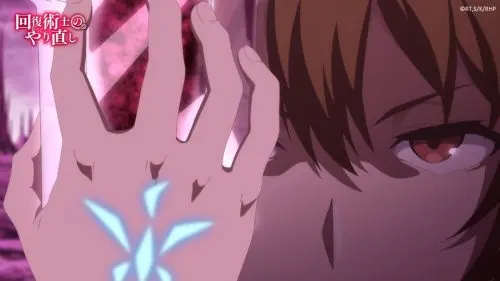
Finding the "real" version of Redo of Healer is a nightmare now because streaming services keep removing the uncensored versions or only hosting the TV cut. The censorship doesn't just cover nudity, it covers the violence too, which ruins the impact of scenes that are supposed to be disturbing. If you watch the censored version, you miss the point of why people were upset. If you watch the uncensored version, you might see things you can't unsee.
The Wikipedia entry lists the different versions but doesn't warn you strongly enough about the content gap between them. This created a situation where parents or casual fans would click on what looked like a standard fantasy anime and get hit with revenge rape scenes in the first episode. The lack of clear content warnings contributed heavily to the controversy.
Final Thoughts On The Chaos
Redo of Healer isn't comfortable viewing. It wasn't meant to be comfort food. The Redo of Healer anime controversy and themes reveal more about what audiences will tolerate when the victim fights back versus when they suffer silently. People watched Game of Thrones for years with graphic sexual violence and called it art, but when an anime character does similar things with actual consequences and trauma, suddenly it's trash that should be banned.
Whether you think it's a masterpiece of edgy fiction or bottom of the barrel exploitation, you can't ignore that it committed to its premise completely. Keyaru doesn't get redemption. He gets satisfaction. In a genre full of fake-out forgiveness and instant friendship solving everything, that honesty feels almost refreshing even when it's ugly and hard to watch. The themes about power, corruption, and the cycles of abuse are real even if the delivery method is extreme.
The show forces you to ask what you would do with four years of trauma and the power to rewrite history. Most of us like to think we'd be noble. Redo of Healer argues that nobility is a luxury for people who haven't been broken yet. It's a dark message delivered through even darker means, and that's exactly why it won't be forgotten anytime soon.