
Reading any the seven deadly sins revival of the commandments review online feels like watching people argue about Excel spreadsheets. Everyone gets hung up on the power levels they introduced this season. Those stupid numbers appear on screen and suddenly viewers care more about stats than the actual fight choreography. That's the first thing you need to know about this 24 episode run from Studio A-1 Pictures. It's bigger, louder, and way more broken than the first season ever was.
The second thing is that this is the real season two. Netflix labeled some four episode recap special as season two to confuse everyone, but Revival of the Commandments picks up right where the actual story left off. The Ten Commandments wake up, Meliodas starts acting like his demon self again, and the power creep hits harder than Galand's critical over. If you loved the first season for its tight character dynamics and relatively grounded conflicts, this one's going to annoy you. But if you want to see Escanor one shot demons while flexing, you might tolerate the mess.
The Ten Commandments Look Cool But Mostly Do Nothing
The villains this time are the Ten Commandments, ten demons who served the Demon King three thousand years ago. They look incredible. The designs by Nakaba Suzuki translate perfectly to animation, with each member having distinct silhouettes and color schemes that make them instantly recognizable during the chaotic group shots. You've got Galand with his massive axe and arrogant swagger, Derieri with her weird hand talking gimmick, and Zeldris looking like someone shrunk Meliodas and made him angry. The anime only adaptation gives them less depth than the manga source, which MAL reviews point out as a major pacing issue.
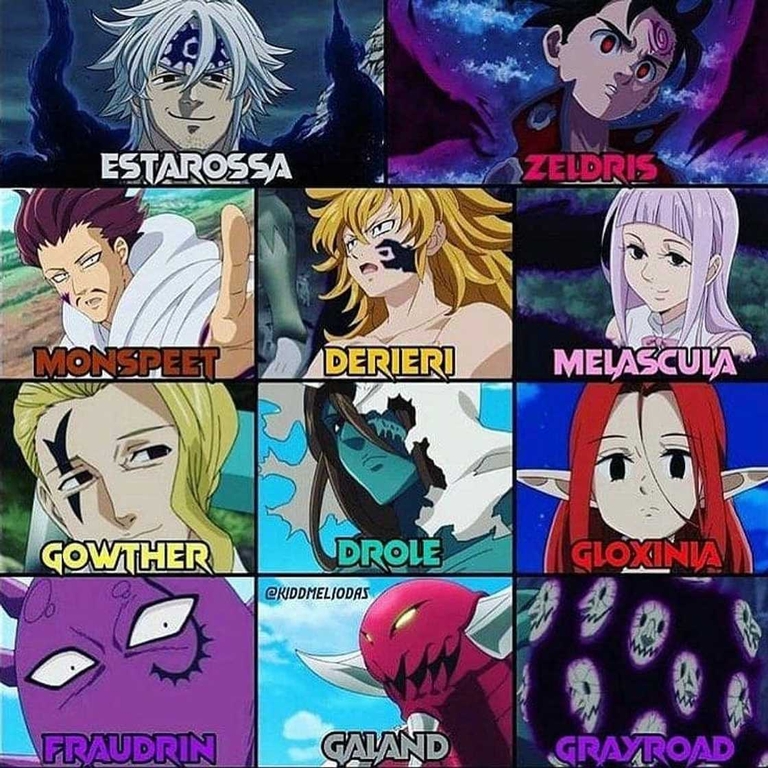
But here's the problem. Most of them exist just to stand there and look threatening. The season introduces all ten across twenty four episodes, then proceeds to give actual characterization to maybe three of them. Galand gets some screen time early on and establishes himself as a brute who relies on raw power, then he gets turned to stone by his own commandment ability because he lied about killing Meliodas. That's it for him. He's a statue now. The show treats this like a big moment but it really just removes the most entertaining villain from the board halfway through.
Derieri and Monspeet get a subplot about their relationship and their backstory with the goddess clan, which hits harder than expected. Their dynamic carries emotional weight because you see them as partners rather than just monster of the week threats. But then you've got Commandments like Grayroad and Fraudrin who show up, explain their powers in long winded exposition dumps, and then get beaten without leaving any impact. The power level system makes this worse because once you see a character has a lower number than Escanor or Meliodas, you know they're irrelevant. The suspense dies immediately.
According to one detailed breakdown, only a few Commandments have any real connection to the main characters, leaving the rest feeling like filler bosses in a video game. Drole the giant and Gloxinia the fairy king get some development because they tie into King and Diane's backstories, but even they spend most of their screen time standing on cliffs looking ominous.
Power Levels Ruined the Tension
Speaking of those stupid numbers. The introduction of power levels might be the worst decision this season made. Suddenly every character gets a numerical value floating above their head like we're playing Dragon Ball Z but with even less subtlety. Meliodas hits thirty thousand, then sixty thousand, and you're supposed to feel something when he powers up except the numbers feel completely arbitrary.
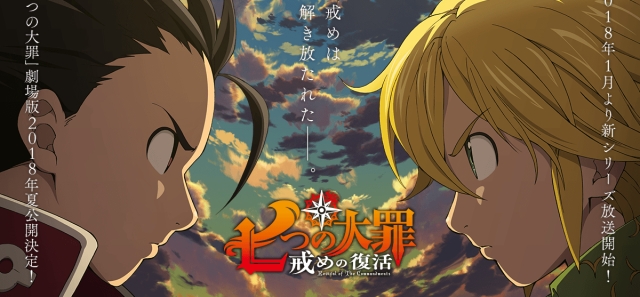
This system removes any strategic element from the fights. In the first season, Ban could beat someone stronger by stealing their strength or using clever tactics. Now if your number is lower, you lose. Period. The show tries to introduce magical power versus physical strength versus willpower as separate stats but it just complicates things without adding depth. You end up with scenes where characters stand around scanning each other like they're checking price tags at a grocery store.
Escanor breaks this system completely, which is why he's the best part of the season. His power literally changes based on the time of day, going from a scrawny coward at night to an invincible monster at noon. When he fights Galand and one shots him with a hand chop, the number doesn't matter because his power is infinite during the day. This breaks the game's rules and makes his fights actually exciting because you don't know the outcome based on math. The other Sins don't get this luxury. Ban spends half the season getting beaten up because his power level got left behind, which feels like punishment for being a fan favorite.
The ANN review notes that the season balances action and humor well, but even they admit the power scaling gets ridiculous when characters start doubling their stats mid fight through sheer anger.
Escanor Carries the Entire Season on His Sunlit Back
Let's be real. Without Escanor, Nanatsu no Taizai Imashime no Fukkatsu would be a five out of ten at best. The Lion Sin of Pride shows up halfway through and immediately becomes the only reason to keep watching. His character design is perfect, all bulk and mustache and arrogance, and his voice acting in both sub and dub captures that duality between his weak night form and his daytime god complex.
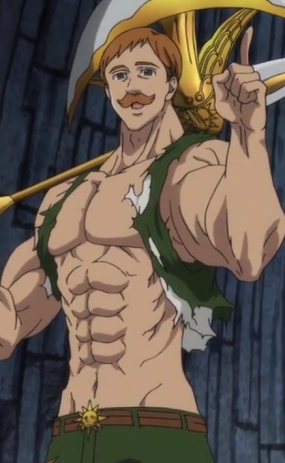
His backstory as an outcast who was hunted for his curse gives him more depth than the script deserves. When he reveals his sacred treasure Rhitta and uses Crazy Prominence to destroy a vampire army, it's pure shonen satisfaction. The animation team clearly loved animating him too because his scenes get the best lighting effects and the most fluid movement. Every time he's on screen, the energy picks up.
But the weird part is how the show handles his power scaling relative to the other Sins. He's supposedly the strongest, yet the season ends with him getting injured by Estarossa in ways that don't make sense with what we saw earlier. The consistency drops off hard in the final episodes, probably because they were rushing to set up the next season. Still, when Escanor flexes on Meliodas during their brief confrontation, you feel the weight of it because the show spent time building him up as something special.
One season analysis points out that Escanor's fights are the only ones that bypass the power level problem entirely, making them spectacles rather than math equations.
Meliodas Finally Gets Interesting Then Dies
For three quarters of the season, Meliodas is actually compelling. We learn he's the Demon King's son, former leader of the Ten Commandments, and cursed with immortality that sends him back to life every time he dies. His relationship with Elizabeth gets complicated when we find out she's been reincarnated dozens of times and always dies in front of him. That's heavy stuff for a show that also features a talking pig.
But then the writers kill him. Estarossa, who is apparently Meliodas's brother but looks nothing like him, stabs him with seven magic swords that prevent resurrection. The season ends with Meliodas dead and the Sins scattered. While this sets up War of the Gods, it feels like a cheap way to create stakes after spending twenty episodes showing us how cool Meliodas's demon form is.
The reveal that Meliodas has a brother in the Ten Commandments adds to the family drama, but Zeldris gets more screen time than Estarossa until the final episodes. Zeldris serves as the primary antagonist for most of the season, acting as the field commander while Estarossa broods in the background. Their dynamic with the Demon King gets teased but never fully explored, leaving you with questions that won't get answered until the next batch of episodes.
Side Stories That Drag the Pacing Down
While Escanor and the Commandments take up the main plot, the season insists on giving everyone else side quests that kill the momentum. Diane gets amnesia and forgets she's a giant, which leads to an entire episode of her wandering around thinking she's human. This happens right when the Ten Commandments are supposed to be destroying Britannia, creating this weird disconnect where the world is ending but we're watching Diane cry about King not remembering their childhood.
Ban's trip to Purgatory to find Elaine's soul sounds cool on paper but mostly involves him getting tortured while we get flashbacks to his foster father Zhivago. The emotional beats land okay, especially the revelation about Ban's real parents, but it takes him away from the group dynamic that made the first season work. Jericho follows him around like a lost puppy and develops a crush that goes nowhere, adding unnecessary romantic tension to a rescue mission.
King gets involved with the Fairy Forest and his sister Elaine, which ties back to the main plot eventually but spends three episodes on fairy politics that don't matter. Gowther's backstory gets revealed and it's actually great, explaining why he's a doll and his connection to the Commandments, but it gets squeezed into the last few episodes when it deserved more room to breathe. The pacing feels like the writers threw darts at a board to decide which episode gets which subplot.
According to one long form analysis, Gowther's intervention in the story creates some of the most complex moral moments in the series, but the anime rushes through his development to get back to the fighting.
The Animation and Music Keep It Watchable
Studio A-1 Pictures generally delivers solid work here, especially during the daytime fight scenes involving Escanor. The color palette stays bright and saturated even during serious moments, which fits the tone better than grimdark shading would. Character models stay consistent for the most part, though you'll notice some off model faces during the middle episodes where the budget clearly dipped.
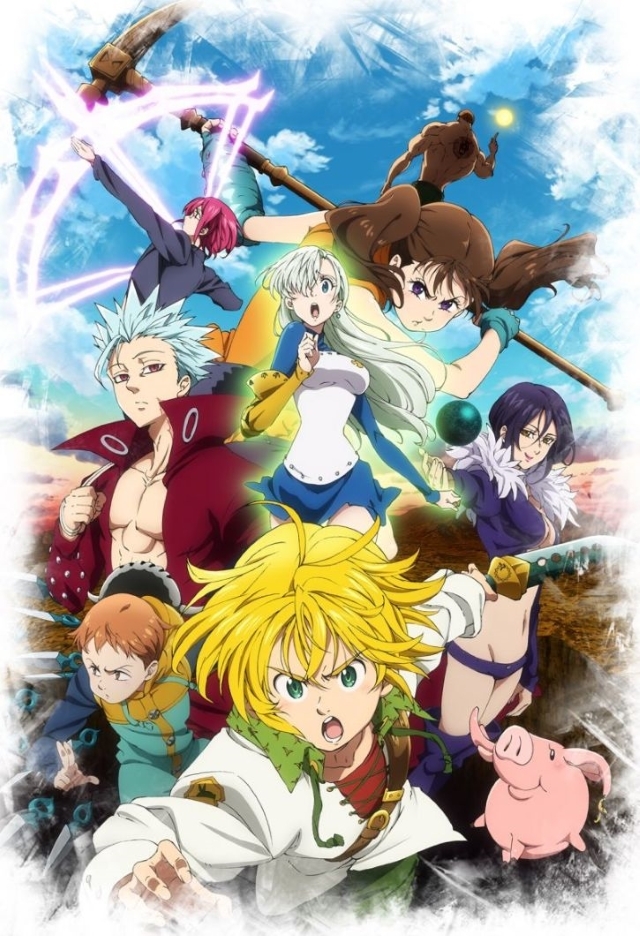
The CGI used for Hawk's mother and some of the larger demons looks rough. It doesn't blend with the 2D animation and pulls you out of the moment whenever they show up. The hand drawn effects for magic attacks look fantastic though, particularly when Meliodas uses his demon powers or when Merlin casts Perfect Cube. Hiroyuki Sawano's soundtrack returns with new tracks that slap just as hard as the first season, though he reuses some themes a bit too often.
The opening theme Howling by FLOW x GRANRODEO matches the energy perfectly, even if the visuals spoil some character appearances. The ending themes are forgettable compared to the first season's Season by Alisa Takigawa. Voice performances remain strong across both languages, with Yuki Kaji delivering a chilling performance as Zeldris and Tomokazu Sugita perfectly capturing Escanor's arrogance.
The battles in this Seven Deadly Sins season 2 represent an escalation in scale compared to the first season, shifting from one on one duels to large scale team skirmishes that test the Sins' ability to work together against the Holy War threats.
So does the seven deadly sins revival of the commandments review well overall? It depends entirely on your tolerance for power scaling nonsense and your love for Escanor. If you can ignore the RPG stats and the underdeveloped villains, there's solid action here with some genuine emotional moments between Ban and Zhivago or Derieri and Monspeet. The animation stays pretty, the music slaps, and Escanor's entrance alone justifies the watch.
But if you wanted the tight storytelling of season one, this isn't that. It's bloated, messy, and spends too much time on side plots that go nowhere. The season functions better as a collection of cool moments than a coherent story. Watch it for Escanor one shotting demons and try not to think too hard about why Galand turned into a statue. It's fun if you lower your expectations and embrace the chaos.