Sailor Moon franchise lore and history isn't some neat package you can unwrap without finding loose threads and contradictions everywhere. If you're looking for a tidy continuity bible, you won't find one because Naoko Takeuchi was drawing the manga monthly while Toei Animation was pumping out weekly episodes literally at the same time. This wasn't a case of adapting finished material. This was two different teams creating the same story simultaneously while fighting deadlines that made no sense, and it shows in every arc after the first one.
The whole thing started as Codename: Sailor V, a one-shot about a single magical girl that ran in Nakayoshi magazine. Takeuchi wanted to write about girls in space, but her editor Fumio Osano suggested putting them in sailor uniforms because those were selling well. When Toei came knocking to adapt Sailor V into an anime, they specifically asked for a team of five girls instead of one because Super Sentai was huge at the time. Takeuchi rewrote the concept, created Usagi Tsukino as the lead, and Sailor Moon was born in December 1991. The anime started airing in March 1992, barely three months later. That's not enough time to plan anything properly, and the lore suffered for it.
How the Production Schedule Broke the Timeline
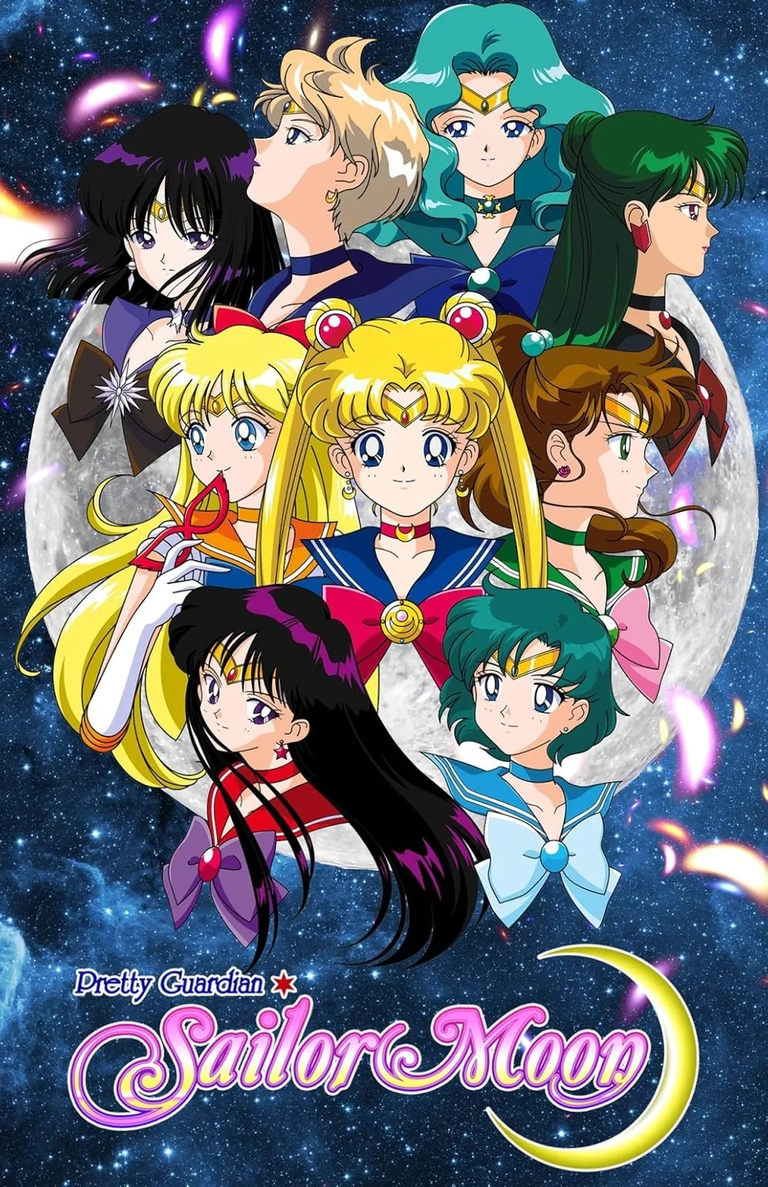
The manga released monthly in Nakayoshi. The anime released weekly on TV Asahi. That's a math problem that doesn't work unless you invent storylines out of thin air. Toei burned through Takeuchi's published chapters in a few months, then had to wait for her to finish the next ones. Instead of pausing the anime, which was rating gangbusters, they created the Makai Tree arc (called the Doom Tree arc in some dubs) for Sailor Moon R. This entire storyline about aliens Ail and An draining human energy never existed in the manga. It was pure filler designed to give Takeuchi breathing room to write the actual Black Moon arc featuring Chibiusa and the future Crystal Tokyo.
This pressure explains why so many manga villains get one-shot defeated with no development. Takeuchi didn't have time to flesh out the Four Kings or the Witches 5 because she was racing the anime broadcast. The anime staff, mostly men according to Takeuchi herself, added their own "slight male perspective" which meant more action scenes, more comedy, and significantly different character personalities. Rei Hino became a hot-tempered tsundere in the anime when she's actually a cool, collected shrine maiden in the manga. The differences aren't subtle. They're glaring.
The Silver Millennium Backstory That Makes No Sense
The foundation of Sailor Moon franchise lore and history rests on the Silver Millennium, an ancient moon kingdom that acted as a diplomatic hub between planets. Queen Serenity ruled from the Moon while her daughter Princess Serenity hung out on Earth having a forbidden romance with Prince Endymion. This mirrors the Greek myth of Selene and Endymion, which explains the eclipse imagery. The Dark Kingdom attacked, everyone died, and Queen Serenity used the Silver Crystal to send everyone to the future for rebirth. That's the setup.
Here's where it gets messy. In the first arc, Queen Serenity's sacrifice is treated as this massive event that enables the reincarnation. But later in the Stars arc, we learn that Sailor Guardians reincarnate eternally anyway because they're star seeds or some cosmic entities. So why did Queen Serenity need to die to power the rebirth? The fans have been arguing about this for decades. The Reddit threads are full of people pointing out that if Senshi reincarnate naturally, the whole sacrifice scene in the Moon Kingdom flashback becomes pointless melodrama. It doesn't line up, and Takeuchi never fixed it because she was probably too busy meeting deadlines to notice.
Why There Is No Sailor Earth
People ask constantly why Earth gets Tuxedo Mask instead of a Sailor Guardian. The in-universe explanation is that every Sailor Guardian is the princess of her planet, and Earth has a prince, not a princess. Mamoru Chiba is the reincarnation of Prince Endymion, so he can't be Sailor Earth because he's male and Sailor Guardians are exclusively female according to Takeuchi's own statements. He's effectively Sailor Earth in function, throwing roses and wearing a tuxedo instead of a skirt, but he doesn't get the title.
The real reason is probably that Takeuchi thought a guy in a tuxedo was cooler than another girl in a sailor suit, and she wanted a romantic lead who could rescue Usagi sometimes. In the manga, he's way more competent and has his own attacks and a crystal. In the 90s anime, he's mostly a damsel in distress who throws one rose and gets kidnapped. The power scaling between versions is completely different, which just adds to the confusion when fans try to piece together consistent lore across media.
The Phantom Ace Curse You Never Heard About
Before Sailor Moon existed, Takeuchi created Codename: Sailor V starring Minako Aino. In that series, there's a character called Phantom Ace who was actually Adonis, a soldier from the Silver Millennium who loved Princess Venus. She killed him, and he cursed her to never find love. This is why in Sailor Moon, Minako is the only Guardian who never gets a serious boyfriend or lasting romance. She's literally cursed. Takeuchi planned to include a character called Diana the Moon Fairy in the main series as another mentor for Usagi, but scrapped the idea and reused the name for Luna and Artemis's daughter instead.
These little connections between Sailor V and Sailor Moon get ignored because most fans never read the prequel one-shot. The Materials Collection artbook is full of notes about characters who never made it into the final cut, including concepts like Ami being a cyborg or different designs for the villains. Takeuchi had notebooks full of personality traits for the Four Kings of the Dark Kingdom that never made it into the manga because she had to rush their defeats. The anime gave them more screen time but changed their personalities completely, making them obsessed with specific Sailor Guardians in ways that didn't happen in the print version.
Crystal Tried to Fix the Lore But Made It Worse
In 2014, Toei announced Sailor Moon Crystal, promising a faithful manga adaptation that would fix the inconsistencies of the 90s anime. It was supposed to be 90% accurate to the source material. What we got was a rushed CGI mess with weird animation errors and pacing that somehow felt more compressed than the original anime despite having less episodes. Crystal covered the Dark Kingdom, Black Moon, and Death Busters arcs before switching to the Eternal movies for the Dead Moon Circus storyline.
Crystal did restore some manga-only elements like the Shitennou being romantically linked to the Inner Guardians in their past lives, which the 90s anime ignored. It also kept the darker tone where characters actually stay dead sometimes. But the production was troubled, with director changes and budget issues obvious in the early episodes. The movies Eternal and Cosmos, produced by Studio Deen, looked better but still had that strange glossy quality that makes everything look like plastic dolls. They're technically more accurate to the manga's plot points, but they lack the heart and weird energy of the 90s filler-heavy original.
The Censorship That Changed Everything
When Sailor Moon hit North America in 1995, DiC Entertainment butchered it. They cut episodes, flipped scenes so cars drove on the right side, changed names (Usagi became Serena, Mamoru became Darien), and completely erased LGBTQ content. Haruka Tenoh and Michiru Kaioh, who are clearly a lesbian couple in the Japanese version, became "cousins" in the English dub. Zoisite, a male character in a romantic relationship with Kunzite, was changed into a woman. Fisheye, a genderfluid male who hit on men, also became female.
This wasn't just DiC being weird. Countries all over the world censored the show. Some European dubs made Zoisite female too. The censorship stripped away representation from what was supposed to be a series about female empowerment and diverse expressions of gender. Modern releases by Viz Media have restored the original content, but for years, an entire generation grew up thinking Haruka and Michiru were cousins who were really affectionate with each other. The weirdness of these edits became its own part of Sailor Moon history, with fans trading tapes of the uncut Japanese versions to see what was missing.
Symbolism That Actually Means Something
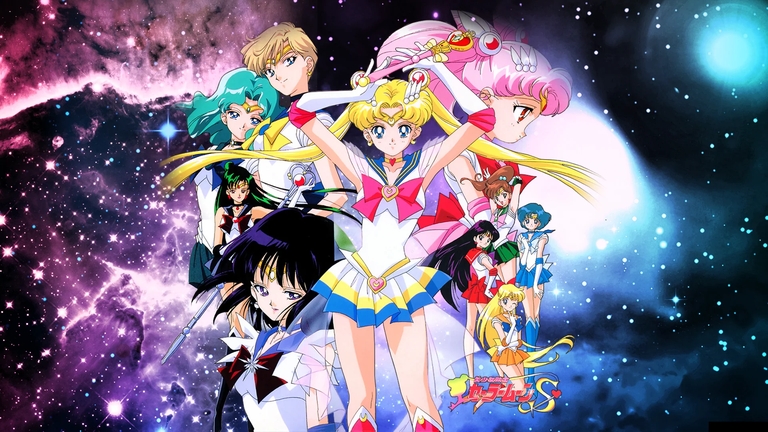
Despite the plot holes, Takeuchi packed the series with real symbolism that holds up. The Silver Crystal appears as a lotus flower when Usagi accesses its full power, which references Buddhist and Hindu concepts of enlightenment rising from murky water. Each Guardian's planet corresponds to actual astrological associations. Mars controls fire and Rei works at a shrine. Mercury is water and Ami is a doctor. Jupiter is lightning and wood, fitting Makoto's cooking and gardening interests. Takeuchi studied chemistry in college, which explains the scientific bent to some of the Death Busters arc villain designs.
The cats Luna, Artemis, and Diana come from the planet Mau, which is referenced in the manga but barely mentioned in the anime. They have human forms that appear briefly in the movies and more prominently in Crystal and the live-action series. Luna's human form has the same odango hairstyle as Usagi and Queen Serenity, suggesting a deeper connection that Takeuchi never fully explored. There are layers here that fans are still digging through, finding connections between the gemstones used for villain names and their actual mineral properties, or the way the Death Busters arc references actual biological concepts.
Why the Inconsistencies Don't Actually Matter
Here's the thing about Sailor Moon franchise lore and history. It's broken. It contradicts itself constantly. The timeline makes no sense, power levels fluctuate wildly between arcs, and characters forget abilities they had two episodes ago. But the emotional core works anyway. The story of these girls fighting for love and justice while growing up and dealing with normal problems like exams and crushes resonates because the feelings are real even when the plot isn't logical.
The 90s anime is full of filler episodes that are better than the main plot. The one where they go to a virtual reality arcade, or the beach episodes, or the cooking competitions. These gave us time to know the characters as people rather than just heroes punching monsters. The manga is prettier and more cohesive but rushes through everything so fast you barely know the villains' names before they explode. Crystal is accurate but sterile. Each version has its own canon, its own timeline, its own rules.
The Legacy of Thirty Years of Chaos
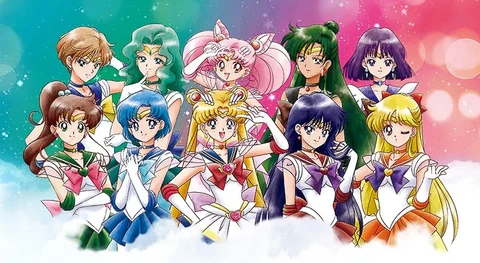
Thirty years later, we're still getting new content. The Cosmos movies wrapped up the Crystal timeline with the Stars arc, finally showing Sailor Galaxia's story animated with modern production values. The musicals called Sera Myu keep running with new casts. The manga got multiple re-releases including the Eternal Edition with better paper and translations. Bandai still sells millions of dollars of merchandise every year. The series influenced everything from Steven Universe to Miraculous Ladybug to My Little Pony.
The lore will never be fixed. Takeuchi isn't going to rewrite the series to resolve whether Queen Serenity's sacrifice was necessary or explain why Chibiusa has pink hair when neither parent does. The inconsistencies are baked into the DNA of the franchise because it was created under impossible constraints by a young artist who didn't know it would become a global phenomenon. That messy, hurried, contradictory creation process produced something that lasted three decades and counting. Sometimes perfect planning makes boring art. Sailor Moon is alive because it was broken from the start.