
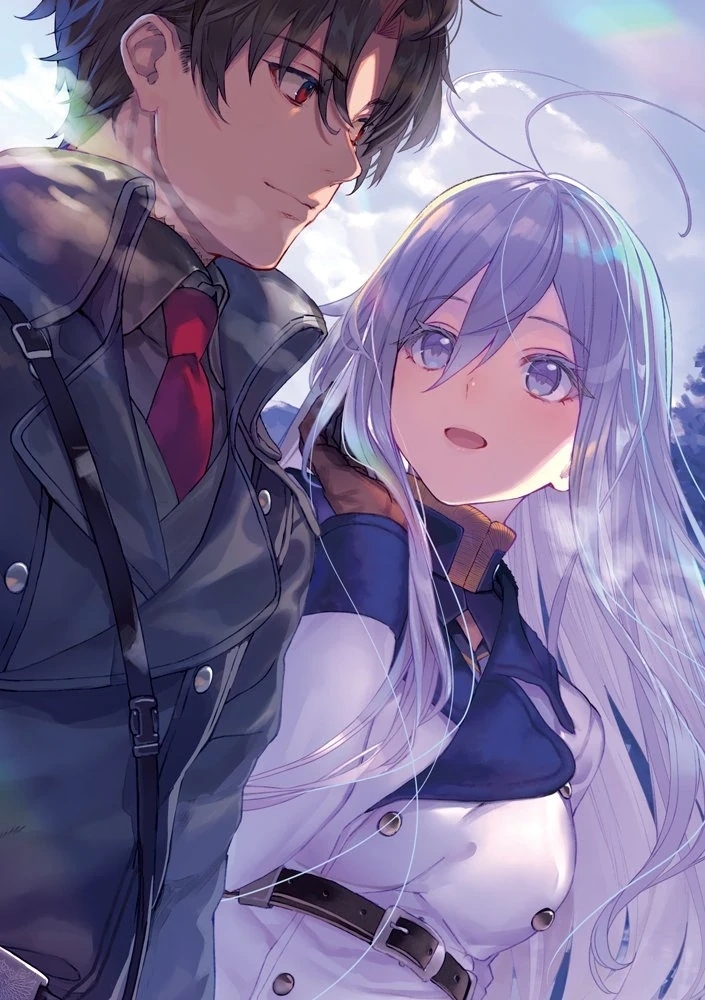
The relationship between Vladilena Milize and Shin Nouzen in 86 Eighty-Six isn't your standard anime romance where the protagonist trips into a girl's chest and she falls in love with his kindness. It's weirder than that. It's two people who spend most of the first cour talking through radio static, one of them literally fighting for survival in a scrap metal coffin while the other sits in an air-conditioned room feeling guilty about it. If you're looking for hand-holding and beach episodes, you're in the wrong war story.
But that's exactly why it hits different. Their bond grows through Para-RAID connections where Shin initially finds Lena annoying and naive, just another Alba officer who thinks saying "good morning" to the 86 makes her a hero. Meanwhile Lena projects this ideal soldier image onto Shin, not realizing he's basically a walking suicide pact waiting for the right battlefield. Their connection doesn't start with attraction. It starts with shared ghosts, specifically Shin's brother Rei, and the slow realization that Lena might be the only person who actually sees the Spearhead Squadron as humans before they become casualties.
Why the Power Dynamic Makes Everything Messy
Here's the thing that a lot of viewers miss when they complain about the slow pace. Shin and Lena start with a fundamental imbalance that would make any normal relationship toxic. She's a Handler, technically his superior, part of the oppressive class that put him in a concentration camp with a mecha strapped to his back. He's an 86, considered subhuman by her government, expected to die without a name or a grave. When they first talk, she's essentially his executioner with a nice voice.
Shin perceives Lena as burdened by Republic sins she didn't commit, which makes him wary of getting close. He doesn't want to be her charity case or her guilt trip. Lena, on the other hand, thinks Shin is trapped in the Eighty-Sixth Sector mindset, unable to imagine a future beyond fighting the Legion. This creates these awkward confrontations where they're talking past each other even when they're saying important things. It's frustrating to watch but it's realistic. Two people from completely different worlds don't just smash their faces together because the plot demands it.
The series handles this by having them establish clear boundaries when Lena joins the Eighty-Sixth Strike Package. They decide to be superior and subordinate on duty, friends in private, using first names only when they're off the clock. This isn't just cute military formality. It's survival. In a war where you might die tomorrow, blurring those lines gets people killed. Shin defies Lena's orders for the first time when she's at risk, which breaks their professional contract but saves her life. The relationship only works because they respect the danger of their situation enough to compartmentalize.
The Spider Lily Reunion and Why It Matters
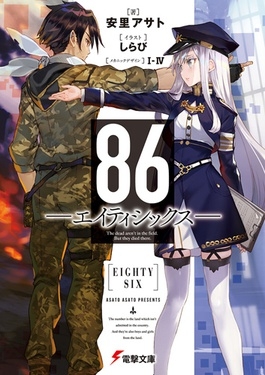
Their first physical meeting happens in a field of red spider lilies, which is about as subtle as a brick through a window symbolically. Shin doesn't even recognize her at first. He's been walking through hell thinking she died when the Republic fell, carrying the weight of her promised memory like an anchor. When he finds out this random officer interrogating him about why she fights is actually Lena, alive and furious and still trying to save people, something shifts in him.
This scene is crucial because it happens after Shin has given up. He's been functioning as the Reaper for so long, collecting names of the dead and waiting for his own turn, that he doesn't know how to want things anymore. Lena's presence, her stubborn refusal to stop fighting even when the Republic collapsed, pulls him back from the edge. She becomes his reason to keep the engine running, not just because he likes her, but because she represents proof that the 86 weren't forgotten. That someone actually cared enough to come find them.
The second reunion at the Processor memorial is quieter but heavier. They salute each other first, maintaining that military distance, but then Shin smiles. It's a small thing, but for a guy who spent the first half of the anime with the emotional range of a tombstone, it's massive. Lena helps him climb out of suicidal despair not with a kiss or a confession, but by being there and understanding what he's carrying.
How the Light Novels Actually Develop the Romance
If you stopped at the anime ending, you might think their relationship stays in this weird limbo of "we care about each other but we're both too damaged to say it." The light novels don't leave you hanging like that, but they don't rush it either. The progression from Volume 4 through Volume 12 is a masterclass in slow burn done right.
Volumes 4 to 6 build up through tiny interactions that feel almost accidental. Lena puts a blanket over Shin when he falls asleep. Shin catches her during an ice skating incident before she cracks her head open. By the end of Volume 6, everyone around them knows what's happening except them. Theo calls them a troublesome pair. Frederica notices Shin's affection immediately. Grethe Wenzel figures out Lena's crush and straight up asks for status reports on their relationship, which embarrasses the hell out of Lena.
Volume 7 is where Shin finally confesses during a fireworks display in the Alliance of Wald. Lena's response is to panic-kiss him and run away without giving a verbal answer. It's messy and awkward and exactly what you'd expect from two people who've spent their entire adult lives in combat zones. Volume 8 features what fans call the "biting kiss" aboard the Stella Maris, where Shin gets playful revenge for her running away, and Volume 9 makes it official with mutual confessions and another kiss after Lena comforts Shin following an incident with Theo.
The Sea as Motivation and Symbol
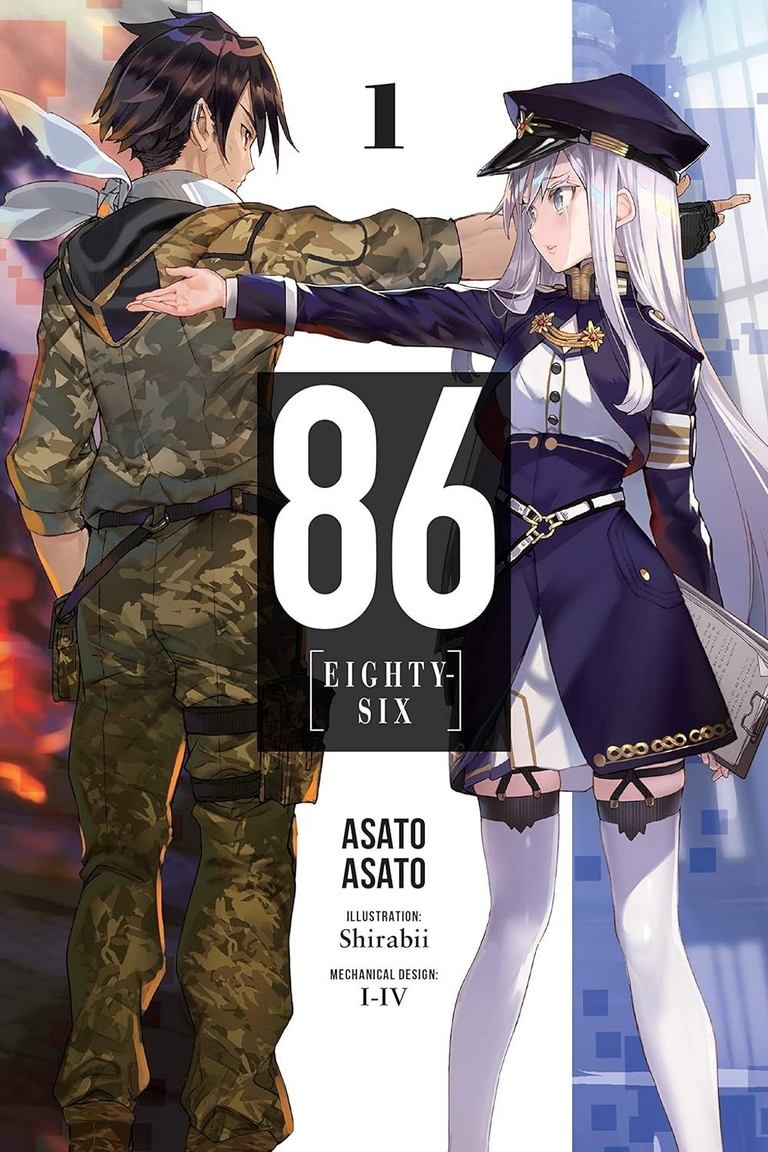
Shin's primary wish throughout the series is to show Lena the sea. This isn't just a cute date idea. For someone who's only known the Eighty-Sixth Sector's grey wasteland and the inside of a Juggernaut cockpit, the sea represents a future he never thought he'd live to see. He fights through impossible odds, survives being turned into a Legion sheep, and keeps his sanity intact because he wants to be standing next to her on a beach somewhere, proving they both made it out alive.
This motivation is what separates their relationship from standard military romance tropes. Shin isn't fighting to protect Lena in some possessive way, and Lena isn't trying to fix him with the power of love. They're both holding onto this image of a peaceful moment that might never come, using it as fuel to survive one more day. When Shin gets protective and defies orders to keep Lena safe, it's not because he thinks she's weak. It's because he's already calculated that a world without her in it isn't worth the oxygen.
Why Their Professionalism Makes the Romance Stronger
A lot of anime couples dissolve into gooey messes the second they admit their feelings, ignoring their jobs and responsibilities to stare into each other's eyes. Shin and Lena don't do that. Even after they become an official couple during the "Valkyrie Has Landed" mission, they maintain their superior-subordinate dynamic during operations. This isn't cold or distant. It's respectful.
They understand that getting distracted by heart-fluttering moments gets people killed. When Shin is in his Juggernaut and Lena is giving orders from command, they're Handler and Processor first. The moment the mission ends, they can be Shin and Lena, but that separation keeps them sharp. It's weirdly mature for a light novel romance, which usually prioritize dramatic confessions over practical relationship maintenance.

The Psychological Realism of Two Broken People
What makes the Vladilena Milize and Shin relationship compelling is that it doesn't pretend trauma disappears when you find your soulmate. Shin still carries the names of the dead. Lena still wakes up from nightmares about the screams she heard through the Para-RAID. Their relationship works because they don't expect each other to be healed. They just agree to carry the weight together.
Lena's connection to Rei, keeping positive memories of him despite the trauma, gives Shin something he never had before: permission to remember his brother without pain. Shin's acceptance of Lena's guilt over the Republic's sins gives her a way to atone that doesn't involve dying. They're not fixing each other. They're providing context for the damage, which is way more realistic than magical healing hugs.
Volume 12 throws a wrench in things by separating them strategically because of security concerns, Shin being 86 and Lena technically being Republic. This separation hurts because by that point they've built something solid, but it makes sense. The world they live in is still racist and dangerous. They can't just ride off into the sunset because they kissed. They have to navigate political realities that want to tear them apart.
What Other Characters See in Them
The supporting cast isn't blind to what's happening. Frederica, who has pseudo-sibling status with Shin, spots his affection for Lena immediately and finds it amusing. Raiden, Shin's best friend, initially finds Shin's suicidal tendencies irritating but grows to understand that Lena is the anchor keeping him tethered. Even Shiden Iida, who starts out hostile to Lena because she views her as just another Alba, comes to respect her after seeing her fight alongside them.
Theo probably has the best read on the situation, noting that they're a troublesome pair who make each other better while also making command decisions more complicated. Annette Penrose, after reconciling with Lena over their shared childhood connection to Shin, actively encourages Lena to confess her feelings. When your childhood friend who betrayed you is rooting for your romance, you know it's serious.
The Norse Mythology Layer
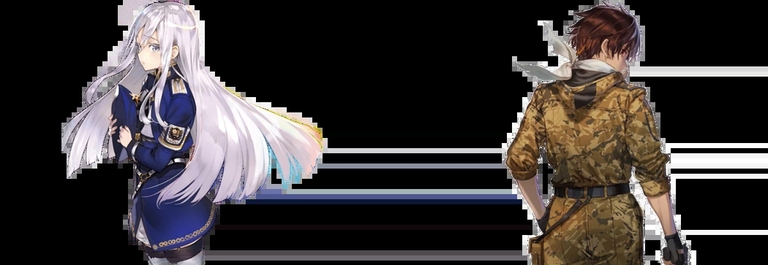
If you want to get really nerdy about it, the series draws heavy parallels to Norse mythology in how it frames their relationship. Lena gets cast as Freyja, specifically Vanadis, while Shin maps to Odin, or Báleygr. This isn't just aesthetic window dressing. It reinforces their roles as figures who bring death and renewal, who fight for a world that might not deserve them.
Freyja's association with love and war fits Lena perfectly, this idealistic commander who refuses to stop caring even when caring hurts. Odin's association with wisdom bought through sacrifice fits Shin, who's paid for his knowledge of the battlefield with pieces of his soul. Their dynamic mirrors mythic archetypes without being constrained by them, which adds weight to their interactions without making them predictable.
Why It Takes Twelve Volumes
People ask why Shin and Lena don't just get together faster. The answer is simple: they can't. Not because of external obstacles or misunderstandings, but because they aren't ready. Shin needs to learn that he deserves to live. Lena needs to learn that she can't save everyone. Until they both reach those realizations, a romantic relationship would be built on sand.
The two battlefield reunions, the Para-RAID conversations that last until dawn, the moment where Shin realizes Lena kept her promise to remember them, all of that has to happen first. You can't shortcut emotional development with a confession scene. The series respects its characters enough to let them grow at the speed of actual humans recovering from abuse, which is slow and painful and non-linear.
When they finally do become a couple, it feels earned. Not because they overcame some big external villain together, but because they finally reached a point where they could look at each other without seeing their own guilt reflected back. That's harder to write than a tsundere love interest or a harem setup, which is why it sticks with you long after you finish the books.