
People keep acting like anime is just colorful cartoons for kids or weird fanservice shows for basement dwellers. They completely miss that social commentary in anime has been running the game since the 80s, probably earlier. You watch Chainsaw Man and think it's just about a guy with chainsaws for arms fighting demons, but you're sleeping on the fact that it's basically a documentary about how capitalism chews up young workers and spits them out. Same with Psycho-Pass looking like a cool cop show when it's really screaming about surveillance states and algorithmic control.
The weird part is how the animation style throws people off. Because it's drawn and sometimes has big eyes or exaggerated reactions, viewers assume the content must be shallow. That's backwards. The best directors use the medium specifically because it lets them get away with criticizing real systems without getting censored or sued. You can draw a corrupt government in anime and claim it's fiction, even when everyone knows exactly what you're talking about. If you think anime is just escapism, you haven't been paying attention to the text.
The Job Will Eat You Alive

Chainsaw Man hit different because Denji isn't a chosen one. He's a broke kid drowning in his dead dad's debt to the yakuza, selling body parts to survive, and dreaming about basic stuff like eating toast with jam or touching a breast. That's not fantasy, that's just being poor in a gig economy where your labor is the only commodity you own and it's never enough. The whole show is about exploitation dressed up as shonen action. Makima doesn't care about Denji as a person, she sees him as an asset to manage, a weapon to deploy when useful and discard when inconvenient, which is exactly how middle management views hourly workers.
The devil hunting isn't even the point. It's a job. Denji clocks in, fights horrors that traumatize him, clocks out, and still can't afford decent food or security. When Power and him hang out in that messy apartment, there's this weird sad vibe of two exploited people finding momentary peace between shifts, too exhausted to question why they're fighting. The show constantly reminds you that Denji's motivation isn't heroism, it's survival and the promise of basic physical affection, which is what happens when you reduce human beings to economic units.
Don't sleep on Aggretsuko either. That red panda isn't just cute, she's every office worker who spends eight hours taking abuse from a pig boss then screams death metal in a karaoke booth to process the rage. The show gets into sexual harassment at work, the pointlessness of corporate loyalty, and how capitalism convinces you that your boss is family while paying you garbage and demanding overtime. Retsuko's rage mirrors real Japanese salarymen and women who are literally working themselves to death, karoshi, but doing it with a smile because the alternative is homelessness.
Planetes does something similar with blue collar space work. It's about garbage collectors in orbit, clearing space debris, and it spends more time on labor rights, corporate negligence, and the gap between wealthy space tourists and the working class maintaining their playground than it does on sci-fi action. The characters worry about healthcare, rent, and whether their contracts will get renewed. That's the reality of social commentary in anime, it shows you the blood and grease under the shiny future we were promised.
They Are Always Watching
Psycho-Pass isn't subtle about being a warning. The Sibyl System calculates your crime coefficient before you do anything wrong, locking you up based on potential stress levels and psychological profiles. That's predictive policing taken to its logical conclusion, the same garbage algorithms police departments already use in real life to decide where to patrol and who to harass. The show asks what happens when we let computers decide who is criminal, and the answer is dystopian garbage where your mental health score determines if you get a job or get shot by a dominator gun.
The inspectors in Psycho-Pass aren't heroes, they're compromised people enforcing a system they know is broken because the alternative is being labeled latent criminals themselves. It mirrors how people in real law enforcement enforce unjust laws to protect their own paychecks, knowing the system eats the poor but needing to pay rent. When the show gets into the fact that the Sibyl System is actually a collection of criminally asymptomatic brains in jars, it reveals that justice isn't blind or mathematical, it's just the powerful deciding what's normal and pathologizing everyone else.
Ghost in the Shell plays with similar ideas but focuses more on what happens to identity when everything is connected and monitored. The Major questions if she's even human anymore when her body is synthetic and her memories can be hacked or edited by the state. That's not just cool sci-fi action, it's asking what privacy means when your brain can be accessed by corporations and governments. The Stand Alone Complex seasons specifically tackle information control, refugee policies, and how media manipulation shapes reality. The Laughing Man storyline predicted modern corporate coverups and viral misinformation campaigns with scary accuracy.
The Earth Is Burning
Studio Ghibli built its reputation on calling out environmental destruction and they didn't hide it behind metaphors. Princess Mononoke isn't vague about the iron works destroying the forest. You see the pollution, the angry spirits, the war between industrial progress and nature, and Miyazaki refuses to give you a simple good guy bad guy dichotomy. The humans need the iron to survive, the forest needs to live, and both sides commit atrocities. It shows how industrialization destroys not just trees but human communities, turning workers into cogs and warriors into monsters.
Spirited Away hits different but lands just as hard on labor issues. When Chihiro's parents turn into pigs because they can't stop eating the spirit world's food, that's a direct callout of consumer culture and gluttony. The bathhouse runs on exploitation too, with workers grinding away their identities until they forget their real names and become part of the machine. Yubaba steals names to control people, which is exactly how corporations brand you and make you forget who you were before the job. No-Face represents the void of greed, consuming everything but remaining empty, a perfect metaphor for late capitalism.
Nausicaa of the Valley of the Wind did this earlier with toxic jungles created by past wars, showing that environmental collapse comes from military hubris and ignoring scientific warnings. These movies don't care about being subtle. They put the dying forest god on screen, they show the sludge and the poison, and they make you watch the protagonist cry over the destruction.
Politics Isn't Background Decoration
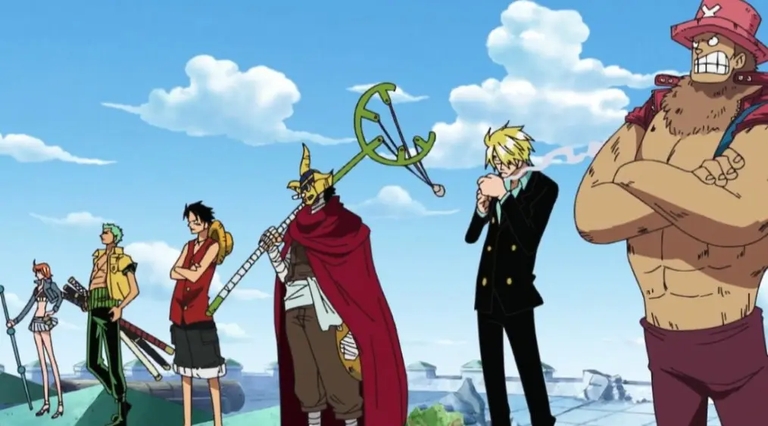
One Piece is a thousand episodes long and people still think it's just a pirate adventure. They're wrong. Luffy is literally classified as a terrorist by the World Government. The entire story is about fighting imperial powers, freeing occupied islands from tyrants, and exposing how the nobility class (the Celestial Dragons) treats regular people like disposable trash. The Navy isn't the good guys, they're the enforcement arm of a corrupt global hierarchy that commits genocide to hide history. The show explicitly deals with racism through the Fishman Island arc, where the merpeople are segregated and discriminated against, mirroring real civil rights struggles.
Legend of the Galactic Heroes spends entire episodes in boardrooms and senate chambers debating whether democracy or autocracy is worse, using two massive space fleets as the backdrop. It's dry, talky, and brilliant because it shows how political systems actually fail, not through cartoon villains but through bureaucratic inertia, media manipulation, and the slow erosion of rights. Code Geass throws a magical rebellion into the mix but the core is about occupation, resistance movements, and whether the ends justify the means when you're fighting an empire. Lelouch commits war crimes and lies to his friends because he believes the system must burn, and the show doesn't let him off the hook for it.
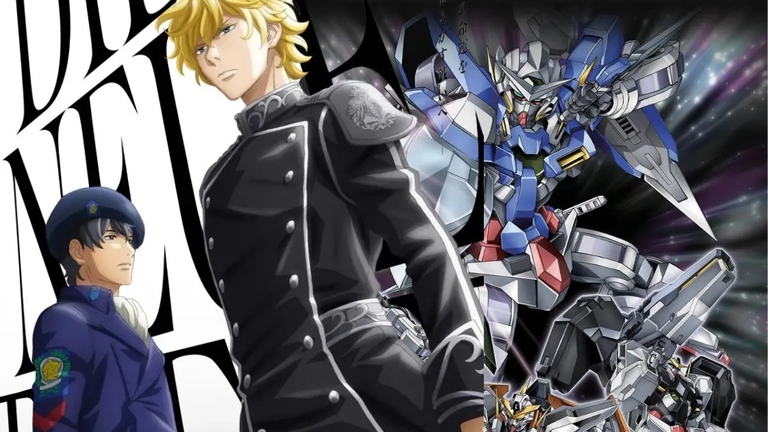
The Gundam franchise has been anti-war since 1979. It's not pro-military despite having cool robots, it's a constant reminder that war is hell orchestrated by old men in offices who send children to die for resources and territory. Mobile Suit Gundam Iron Blooded Orphans specifically looks at child soldiers and corporate exploitation of Mars, while Witch from Mercury examines corporate oligarchies where shareholder meetings determine who lives and dies. These shows understand that war isn't just cool mecha fights, it's about logistics, propaganda, and who gets to write the history books.
Your Brain on Isolation
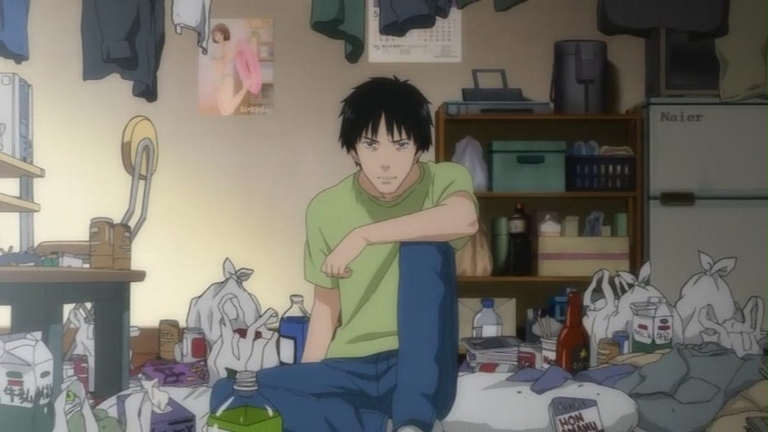
Welcome to the NHK hits different because it doesn't romanticize mental illness. Satou is a mess. His room is disgusting, he's paranoid, he's convinced there's a conspiracy keeping him unemployed when really he's just depressed and anxious. The show gets into hikikomori culture, the phenomenon of young men shutting themselves in their rooms for years, and doesn't pretty it up. It shows how society fails people with mental health issues, leaving them to rot in apartments with no support structure until they either die or get lucky enough to find someone who cares.
Misaki tries to fix him with a project notebook, but she's broken too, looking for purpose by controlling someone worse off than her. That's not healthy, and the show knows it. It portrays the cycle of dependency and how hard it is to break out of isolation when the outside world feels hostile. The conspiracy theories Satou believes aren't real, but they feel real to him because they explain why everything hurts, which is how real people fall into paranoid thinking when the actual socioeconomic explanations are too big and scary to face.
Odd Taxi looks like a weird show about animals but it's actually about profound disconnect in modern Tokyo. Everyone is lonely despite being surrounded by people. The main character drives a cab and watches people glued to phones, performing lives on social media while falling apart inside. It touches on addiction, stalking, and how the gig economy grinds people down until they disappear. The mystery structure hides a deep sadness about how we don't see each other anymore, how we pass by people in crisis every day and don't notice.
Us Against Them
Beastars uses carnivores and herbivores as a heavy-handed but effective allegory for racism and segregation. Legoshi struggles with his instincts versus society's expectations, which parallels how minority groups get forced to code-switch or suppress culture to fit in. The show gets into interspecies marriage laws, discrimination in housing, and how the majority uses fear of the other to maintain control. The black market where carnivores buy meat isn't just a crime setting, it's about how prohibition creates dangerous underground economies and how the wealthy ignore systemic problems until they spill into their neighborhoods.
86 is more direct and brutal. It shows a republic that strips citizenship from specific ethnic groups, forces them to fight in remote-controlled mechs against autonomous drones, and pretends they don't exist. The Alba live in safety while the Colorata die on the front lines, and the government literally edits history books to erase the 86's sacrifice. That's not subtle symbolism, that's just showing how actual fascism works, how bureaucratic language (calling them processors instead of people) enables genocide, and how segregated societies require constant propaganda to maintain.
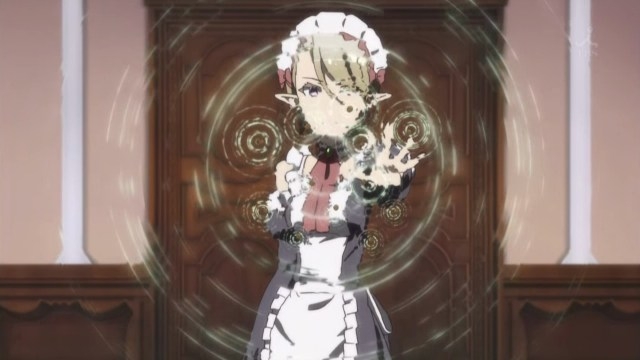
Outbreak Company tackles cultural imperialism directly. Shinichi gets sent to a fantasy world to spread otaku culture, but the show questions whether it's right to impose Japanese pop culture on another society, even if you think it's better or more enlightened. It looks at how soft power works, how culture can be a weapon of control, and how saving people often means exploiting them for resources. Myucel faces discrimination as a half-elf, and the show examines how importing foreign culture can disrupt local hierarchies, sometimes for good and sometimes for colonial extraction.
The Medium Hides the Message
The cartoon style isn't a limitation, it's camouflage. It lets the medicine go down smooth. You think you're watching a show about demon hunting or space battles, but you're actually getting educated on surveillance capitalism, racial discrimination, or environmental collapse. Animation allows creators to show impossible things, like a girl's parents turning into pigs or a society where your mental hue determines your freedom, without the budget constraints or censorship that live-action faces.
Creators like Satoshi Kon used this to dissect celebrity culture in Perfect Blue, showing how the entertainment industry grinds up young women and spits them out, how fans develop parasocial relationships that turn violent, and how identity becomes performative. The surreal elements, the shifting realities, mirror how fame dissolves the boundary between public and private self. Grave of the Fireflies uses animation to make war traumatic rather than exciting, showing two kids starving to death while their society collapses, refusing to let you look away from the civilian cost of military hubris.
If you finish an anime and all you remember is the fights, you might need to watch it again. The show was talking to you the whole time about labor rights, about surveillance, about how we treat the planet and each other. You just weren't listening because the colors were pretty. Social commentary in anime isn't rare, it's the baseline for anything worth watching. The directors aren't stupid. They know exactly what they're saying about the world, and they're using giant robots or magical girls to say it because that's how you get people to actually pay attention.