
Taichi Yaegashi and Nagase's relationship in Kokoro Connect looks like standard anime romance material at first glance, but it's actually a complete disaster waiting to happen from episode one. They confess their feelings, they share that dramatic kiss during the body swapping crisis, they promise to wait for each other until the supernatural nonsense ends, and they still crash and burn before the series finale. If you're watching this show expecting a straightforward love story between the main guy and the cheerful club president, you're in for a weird ride because Heartseed didn't just mess with their bodies, he exposed why they were chemically incompatible from the start.
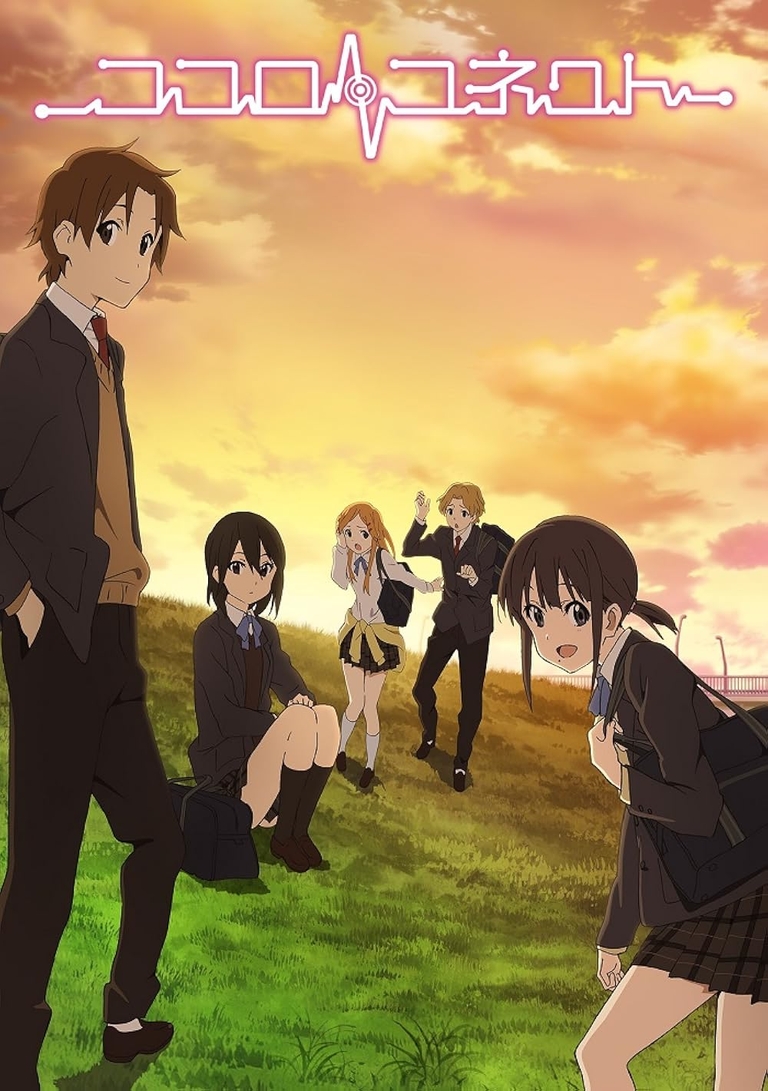
The whole thing kicks off with that body swapping phenomenon, which sounds like setup for cheap fanservice but turns into a brutal psychological experiment. Taichi and Iori get thrown into each other's lives without permission, and at first glance it looks like this forced intimacy is building something genuine and lasting. Taichi sees Iori's messy home life with her distant mom Reika and that revolving door of stepfathers. Iori sees Taichi's weird pro wrestling obsession and his compulsive need to help everyone around him. They develop feelings, sure, but the massive problem is they're falling for curated versions of each other that don't actually exist in reality.
Taichi falls hard for the cheerful, accommodating Iori, the one who wears a smile like armor and laughs at his dumb jokes. Iori falls for the reliable, selfless Taichi, the guy who promises to save everyone and never asks for anything in return. Neither of them realizes these are performances until it's way too late to back out gracefully. The phenomena don't create their bond, they just rip the bandaid off and show the infected wound underneath that was always going to kill this relationship.
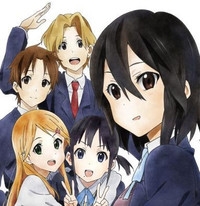
The Body Swap That Exposed Everything
The Hito Random arc throws these five Cultural Research Club members into random body swapping chaos, and suddenly Taichi and Iori are literally living inside each other's skin. Taichi wakes up in Iori's body and has to deal with her mom Reika and that weird dynamic where Iori has survived five different father figures coming in and out of her life. Iori wakes up as Taichi and realizes almost immediately that this guy is absolutely exhausting, constantly worrying about everyone else instead of himself, running himself ragged trying to solve problems that aren't his to fix.
This shared trauma should bring them closer together, and it does temporarily in that artificial way that shared secrets create intimacy. They see each other's vulnerabilities, they witness the family drama, they develop that classic "we've seen the real you" connection that anime loves to romanticize. But here's the brutal catch that most viewers miss on first watch: Taichi doesn't actually see the real Iori. He sees a girl who needs saving, and that's his absolute favorite thing in the world because it validates his existence.
Taichi Yaegashi is what Inaba accurately calls a "selfless freak." He has this compulsive psychological need to sacrifice himself for others, to the point where it's honestly kind of pathological and unhealthy. When he's in Iori's body and sees her messed up family situation with that abusive second stepfather lurking in her past, his immediate instinct isn't to understand her or listen to her, it's to fix her and save her from her pain. That's not love, that's a project, and nobody wants to be their boyfriend's DIY therapy assignment. Iori senses this dynamic on a subconscious level, even if she doesn't have the vocabulary to admit it right away.
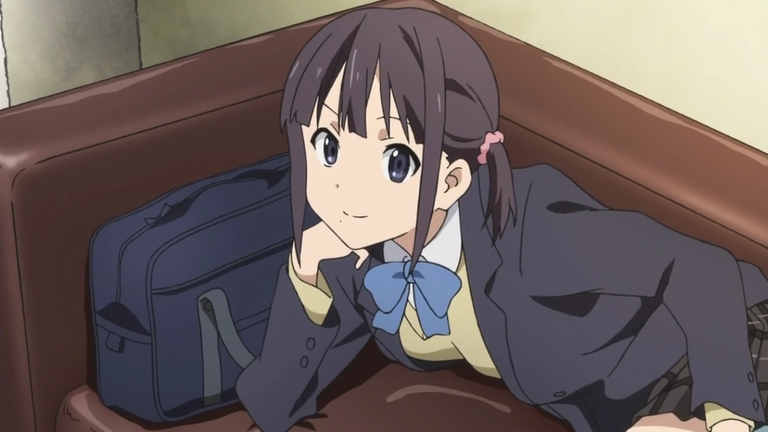
Why Iori Collects Masks Instead of Feelings
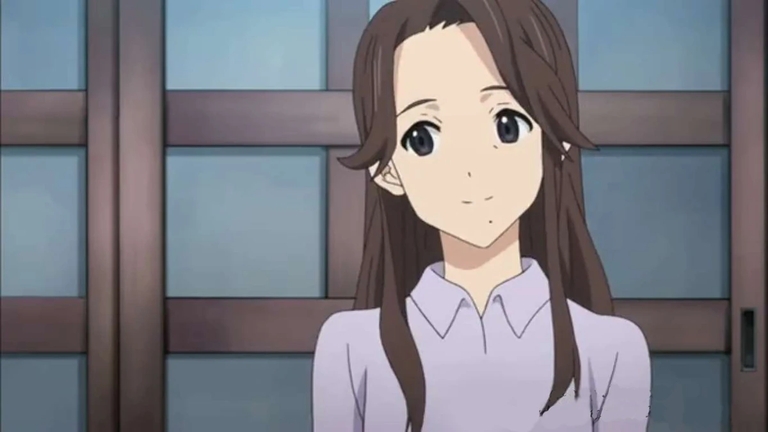
Iori Nagase isn't just a cheerful girl who likes to have fun. She's a girl who learned before she hit puberty that survival in her household meant being whoever the room needed her to be at any given moment. Thanks to her mom's terrible taste in men, specifically that violent second stepfather who left emotional scars all over her childhood, Iori figured out early that showing your real self gets you hurt or abandoned. So she developed these masks, these personas she switches between depending on who she's talking to, and she got so good at it that she forgot which one was real.
With Taichi, she's the sweet, slightly helpless girl who admires his honesty and needs his strength. With Inaba, she's the diplomatic peacemaker who keeps everyone calm. With Aoki, she's the teasing friend who plays along with his jokes. The body swapping forces her to drop these acts because other people are literally living in her skin and wearing her face, but it also terrifies her because she doesn't know who she is without the performances to hide behind.
When Taichi confesses to her during the first arc, he's confessing to the cheerful mask, the one that says "please save me" with her eyes. Iori knows this deep down, and that's why she turns him down even though she genuinely has romantic feelings for him bubbling under the surface. She tells him they should wait until the phenomena end, but what she's really saying is "you don't know me, I'm scared to find out who I actually am, and I know you're in love with the fake version." This is where the relationship gets messy and complicated in ways that most high school romance anime don't dare to explore.
They agree to wait, to put their feelings on hold until Heartseed stops messing with them and they can have a "normal" relationship. But waiting doesn't solve the underlying problem of their incompatibility. It just gives them time to realize they're speaking completely different emotional languages and expecting different things from a partner.
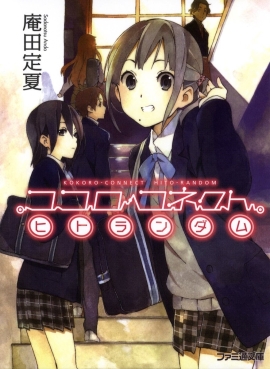
The Kiss That Couldn't Fix Their Foundation
There's this moment in the Hito Random arc where Taichi kisses Iori while she's borrowing Inaba's body, which adds this weird layer of confusion to an already messy situation. It's supposed to be this big romantic climax, the hero saving the girl from her traumatic past and promising to protect her. But looking back with the knowledge of how everything ends, it's actually pretty hollow and desperate. Taichi kisses her because he thinks she's going to die or disappear or whatever Heartseed is threatening that week. It's a panic move, not a commitment built on mutual understanding.
The kiss doesn't fix Iori's identity issues or give her a sense of self. It doesn't stop her from wondering if anyone actually loves the real her or just the persona she's projecting for their benefit. If anything, it adds pressure to maintain the illusion. Now she has this boyfriend who loves the idea of her, and she has to keep up that image or risk losing the first guy who ever made her feel special, even if that special feeling was built on performance.
I saw some data that said their relationship was built on illusions, and that hits the nail on the head perfectly. Taichi thinks he's in love with Iori Nagase, but he's really in love with the girl who smiles at his wrestling references and asks for his help with a trembling voice. He doesn't know how to handle the Iori who gets legitimately angry, who shuts down and refuses to talk, who admits she sometimes hates everyone including herself. He signed up for the manic pixie dream girl and got a real person with depression and identity fragmentation instead.
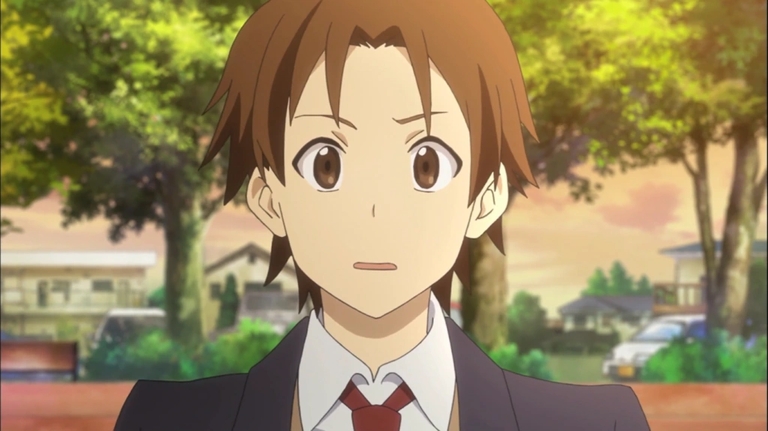
When the Selfless Freak Met the Empty Girl
The Kizu Random arc hits different because now the characters can't control their impulses or hide their desires behind social niceties. They act on their deepest wants without filters or consequences. For Taichi, this means his "save everyone" instinct goes into absolute overdrive and he starts trying to fix problems that don't exist. For Iori, it means her suppressed anger, cynicism, and self-loathing start bubbling up to the surface where everyone can see them.
This is where you see clearly why they don't work as a couple. Taichi tries to save Iori from her own legitimate emotions. He can't accept that she might need to be angry, that she might need to hate her stepfather or her mom or the world for a while just to process her trauma. He just wants to hug her and make it better immediately, which is annoying as hell if you're Iori because it feels like he's not seeing you as a person, he's seeing a wounded bird that needs bandaging before it can fly again.
Iori's identity crisis gets exponentially worse during this arc because she starts realizing she doesn't have a core self underneath the masks. She's just a collection of reactions to other people's expectations. When she tries to explain this emptiness to Taichi, he doesn't get it. He offers solutions when she needs understanding. He offers to sacrifice himself when she needs partnership and equality. He keeps trying to be the hero of her story when she's telling him she doesn't want to be saved, she wants to exist.
Meanwhile, Inaba is over here actually getting it on a fundamental level. Inaba sees Iori's darkness and doesn't try to fix it or paint over it. She competes with it, challenges it, accepts it as part of who Iori is. That's why the love triangle isn't just drama for drama's sake, it's the natural consequence of Taichi and Iori realizing they speak different emotional languages and Inaba happening to speak Taichi's language fluently while also understanding Iori's silence.
The Fake Confession and the Real Breakdown
There's this weird subplot during the later arcs where a fake Taichi, controlled by Heartseed or one of those phenomena, confesses to Iori again, and she sees through it immediately. That should tell you something important about their dynamic. When the real Taichi confesses, she's hesitant and confused. When a fake one does it, she's certain it's wrong and inauthentic. She knows the real Taichi's confession was performative too, even if he meant every word sincerely at the time. She can spot the difference between genuine emotion and role-playing because she's been performing her whole life.
By the time Michi Random rolls around, Iori is completely done pretending to be okay. She goes full antagonist mode, snapping at everyone, dropping the cheerful act completely, and embracing the cynical, angry parts of herself she'd hidden for years. She tells Taichi straight to his face that she doesn't know if she actually loves him or if she just loved the idea of being saved by someone strong. She admits she might have been manipulating him the whole time, using his savior complex to feel special and needed, which is a pretty dark realization for a high school romance.
This is brutal to watch because Taichi genuinely doesn't know how to respond to this version of Iori. He can't save her from this existential realization. He can't fix her identity crisis with a hug or a kiss or a dramatic speech. He just stands there looking confused and hurt while Iori systematically dismantles every sweet moment they had, questioning whether any of it was real or just her adapting to what he wanted her to be so she wouldn't be abandoned like her stepfather abandoned her mom.
Apparently, some analysis pointed out that their bond was built on shaky ground from the very beginning, and that's painfully obvious when you watch the Michi Random arc with open eyes. The phenomena didn't break them up, they just revealed that the foundation was already cracked and ready to collapse under any real weight.
Why Inaba Won and Iori Lost
You can't talk about Taichi and Iori without talking about Himeko Inaba because she complicates everything while simultaneously proving that Taichi was never going to work with Iori long-term. Inaba challenges Taichi constantly, calls him out on his "selfless freak" nonsense, refuses to let him sacrifice himself for her validation. She demands equality in a way that Iori doesn't know how to demand yet.
With Iori, Taichi gets to be the hero, the savior, the white knight. With Inaba, he has to be a partner, an equal, someone who takes as much as he gives. That's the difference that matters. Inaba doesn't need saving from her emotions, she needs respect and honesty. She sees Taichi's flaws clearly, names them, and loves him anyway with full knowledge of how annoying he can be. Iori loved the idealized version of him because she needed to believe in heroes to survive her childhood.
When Iori finds out Inaba has feelings for Taichi, she doesn't get jealous in the traditional anime love triangle way. She gets relieved. She actively pushes Inaba to confess because she knows on a deep level that she's not the right girl for Taichi. She knows Inaba can give him something real and mutual while she's still figuring out if she exists outside of other people's expectations. That's mature, but it's also an admission that she and Taichi were never going to make it work.
The Telepathic Ending
By the time the final arc rolls around, after all the body swapping and desire unleashing and age regression and telepathic thought broadcasting, Taichi and Iori end up as close friends who genuinely care about each other but know they were wrong for each other romantically. The telepathic confession in the hospital during the final crisis is the final nail in the romantic coffin.
Taichi finally gets it through his thick skull that loving Iori means letting her go, means accepting that his brand of selfless heroism was smothering her growth instead of nurturing it. Iori realizes that she needs to figure out who she is alone before she can love anyone in a healthy way. They mutually agree to drop the romantic angle and just be friends who support each other.
Iori supports Taichi and Inaba's relationship with genuine happiness because she knows they're better suited. Taichi supports Iori's journey to find herself and eventually become a teacher. It's actually a healthier ending than if they'd forced themselves to stay together out of obligation or nostalgia for that first kiss during the body swap crisis.
Taichi Yaegashi and Nagase's relationship in Kokoro Connect serves as a warning about falling for potential instead of reality, about loving the idea of saving someone rather than loving the actual messy person in front of you. They had chemistry, they had attraction, they had shared trauma and dramatic confessions, and it still wasn't enough because they were performing for each other instead of connecting authentically.
Heartseed didn't ruin their relationship. Heartseed accelerated the inevitable truth that they were going to discover anyway. If they hadn't gone through the phenomena, they probably would have dated for a few months or maybe a year before Iori's masks slipped completely and Taichi's savior complex suffocated her ability to grow. The supernatural stuff just saved them from a longer, more painful breakup down the line when they were even more invested.
If you're shipping them, I get it because the show sets them up as the main couple early on with all those tropes. But pay attention to Michi Random. Pay attention to how Iori describes feeling empty inside, how she admits she doesn't know who she is without an audience to perform for. Pay attention to how Taichi can't stop trying to fix her even when she begs him to just listen and witness her pain without trying to bandage it. They're better off as friends. They're better off with other people who match their emotional needs. Sometimes the person who saves you from drowning isn't the person you should spend your life with, and sometimes the person you kiss during a body swap crisis isn't your soulmate. That's the real takeaway from their story, and it's more honest than most anime relationships dare to be.