
People love to hate the Citrus anime relationship and themes, usually because they watched the first episode and saw Mei forcing herself on Yuzu without asking. That scene alone killed the show for plenty of viewers, and honestly, that's fair. But if you bail there, you miss the whole point of why this series sold over three million copies and sparked endless forum wars about whether it's trashy exploitation or honest emotional storytelling. The truth sits somewhere in the middle, in that uncomfortable space where first love really lives. It's ugly, it's confusing, and sometimes it's forced in ways that make you want to look away.
The setup hooks you fast. Yuzu Aihara shows up to Aihara Academy wearing her gyaru fashion, curls and makeup and nails that violate every dress code, only to discover her new step-sister is Mei, the stone-faced student council president who enforces those rules with terrifying precision. They're forced to share a bedroom because their parents decided to merge families without asking the kids first. That's the gasoline. The match is that neither of them asked for this living situation, yet they're stuck sharing domestic space while attending a school that feels like a prison for Yuzu's personality.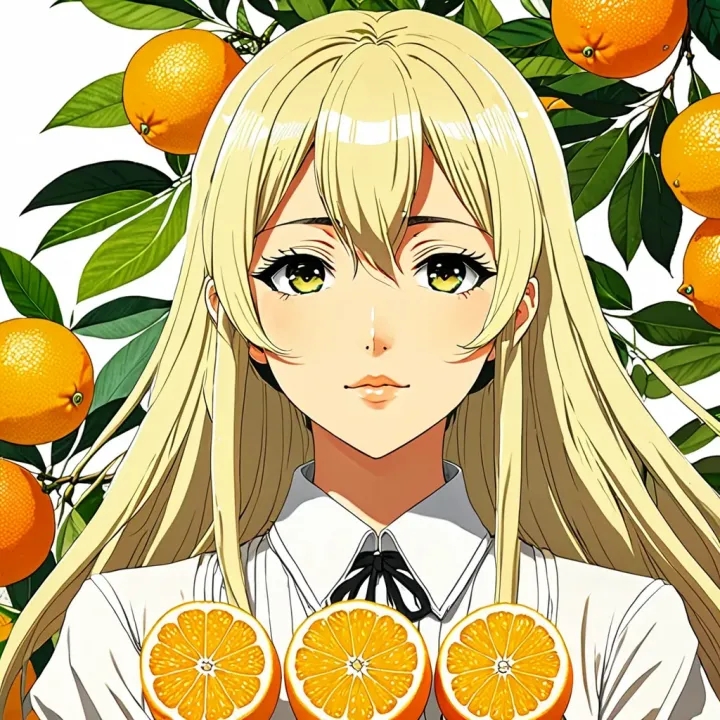
What makes the Citrus anime relationship and themes stick in your head isn't the step-sister taboo, though that's what gets the clicks. It's the clash between Yuzu's desperate need for connection and Mei's complete inability to accept affection without seeing it as a transaction. Yuzu talks big about romance but she's never been in love, so she fumbles every signal. Mei has been trained by her controlling grandfather and absent father to view intimacy as either weakness or leverage. When they collide, you get these brutal cycles where Mei uses physical advances to shut Yuzu up or establish control, and Yuzu keeps coming back because she thinks that's what love looks like. It's toxic as hell, but it's also weirdly realistic for teenagers who don't know how to process their feelings.
Why The Step Sister Setup Creates Different Tension
Most romance anime keep their couples at arm's length until the finale. They share glances across classrooms or accidentally touch hands while reaching for the same book. Citrus throws that out immediately by forcing Yuzu and Mei into domestic intimacy. They brush teeth next to each other. They share a bed because the house is small. Their parents are downstairs cooking dinner while they're upstairs figuring out if they're sisters or something else entirely.
That cohabitation changes everything about how their attraction develops. There's no safe distance to retreat to when Mei acts cold or Yuzu gets too pushy. The bedroom becomes a battleground where school politics meet family drama. Mei can't maintain her perfect student council president mask when she's wearing pajamas and avoiding eye contact over breakfast. Yuzu can't play the cool older sister when she's crying into her pillow because Mei kissed her just to prove a point. The walls are too thin and the feelings are too loud.
The forbidden aspect isn't just about them being step-sisters, though that's what the marketing focuses on. It's about the power imbalance. Mei holds institutional power at school and emotional power at home because she's better at shutting down than opening up. Yuzu keeps charging at her with these grand romantic gestures that look sweet in other anime but here feel like emotional assault because Mei isn't ready. The show doesn't pretend this is healthy. It shows you two hurt kids hurting each other while calling it love, and that honesty is what separates it from fluffier yuri series.
The Gyaru And The Ice Queen Visual Language
Yuzu's character design does heavy lifting for the story. She's got the bleached hair, the modified uniform, the manicure that screams rebellion against Aihara Academy's rigid standards. She looks like she knows everything about romance because she reads manga and talks a big game, but she's clueless. That visual contradiction, looking experienced while being totally naive, defines her early behavior toward Mei. She thinks she's being romantic when she's actually being overwhelming.
Mei dresses like a funeral director at school, all buttoned up and proper, but her character arc involves slowly unraveling that armor. When she starts letting Yuzu see her with her hair down or wearing casual clothes, it means something. The animators at Passione understood that clothing in this show isn't just aesthetic, it's emotional state. Every time Mei loosens her tie or Yuzu fixes her scarf, they're negotiating boundaries without words.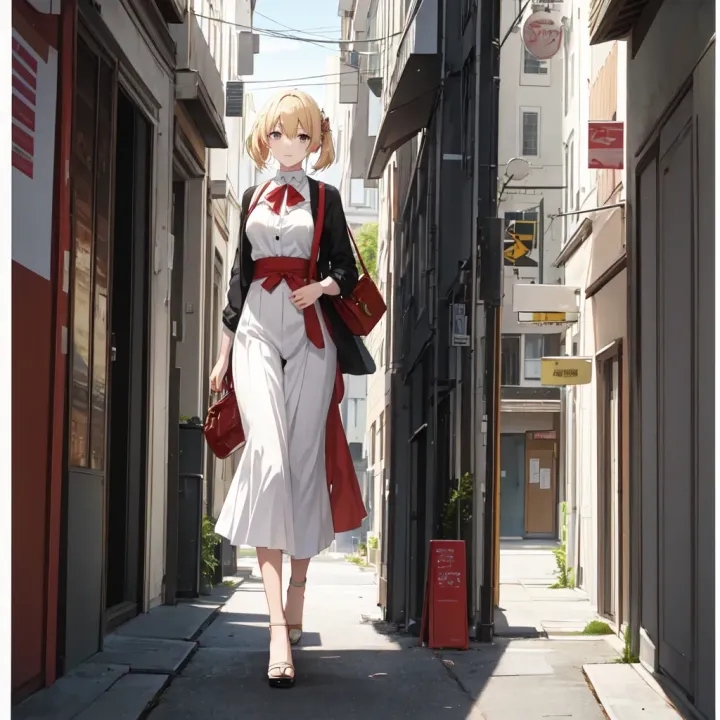
The citrus fruit motif runs through everything too, obviously. Yuzu's name means citrus, and the show keeps showing oranges and lemons during emotional peaks. It's not subtle, but it works because citrus is sour and sharp and leaves your mouth stinging, which is exactly how their relationship feels in the early episodes. Sweet moments exist, but they come with a bite afterward.
Consent Problems And The Messy Reality
We need to talk about the non-consensual elements because ignoring them would be dishonest. The anime adaptation includes several scenes where Mei kisses or touches Yuzu without consent, often to win an argument or prove dominance. These moments drew heavy criticism, especially from viewers coming at the show through a modern lens where consent is non-negotiable. Some fans argue these scenes are realistic portrayals of confused teenagers lashing out. Others say it's just lazy writing using sexual assault for drama.
The manga and anime both include Mei arranging a forced engagement with a male teacher early on, using her body as currency to solve family problems. Yuzu's childhood friend Matsuri shows up later and tries to manipulate both of them using blackmail and fake photos. These aren't innocent misunderstandings, they're calculated emotional abuse. The series doesn't always condemn these actions strongly enough, which leaves a bad taste.
But here's the thing that keeps people watching despite the problems. The story eventually makes both characters acknowledge how broken their communication is. Mei has to learn that using her body to control situations destroys trust. Yuzu has to learn that persistence isn't the same as consent. By the time you get to Citrus Plus, the sequel manga, they're actually talking like adults. The anime only covers the early mess, though, so if you stop there you don't see the growth.
Secondary Characters And Their Own Damage
Matsuri Mizusawa arrives like a grenade in the story. She's Yuzu's childhood friend, younger but street-smart, and she sees Mei as competition for Yuzu's attention. Her arc involves trying to break them up through manipulation because she's terrified of being abandoned. She's annoying as a character but her psychology makes sense. She's a kid who learned that love means possession, same as Mei did, just from a different angle.
Himeko Momokino acts like the jealous ex-girlfriend even though she and Mei were never dating. She's obsessed with maintaining Mei's image as the perfect student council president because she benefits from that reflected status. When Yuzu starts cracking Mei's facade, Himeko panics. Her elaborate hair curls and aristocratic speech patterns scream insecurity. She thinks if she performs femininity correctly enough, she'll earn Mei's loyalty.
The Tachibana twins show up later in the series and offer a mirror to Yuzu and Mei's relationship. Sara believes in destiny and fate, deciding Mei is her soulmate because of a chance meeting. Her twin Nina tries to sabotage Yuzu to help Sara win. Their presence forces Yuzu to actually articulate what she feels for Mei instead of just reacting. It's clumsy storytelling but it serves the purpose of making Yuzu choose actively instead of just stumbling forward.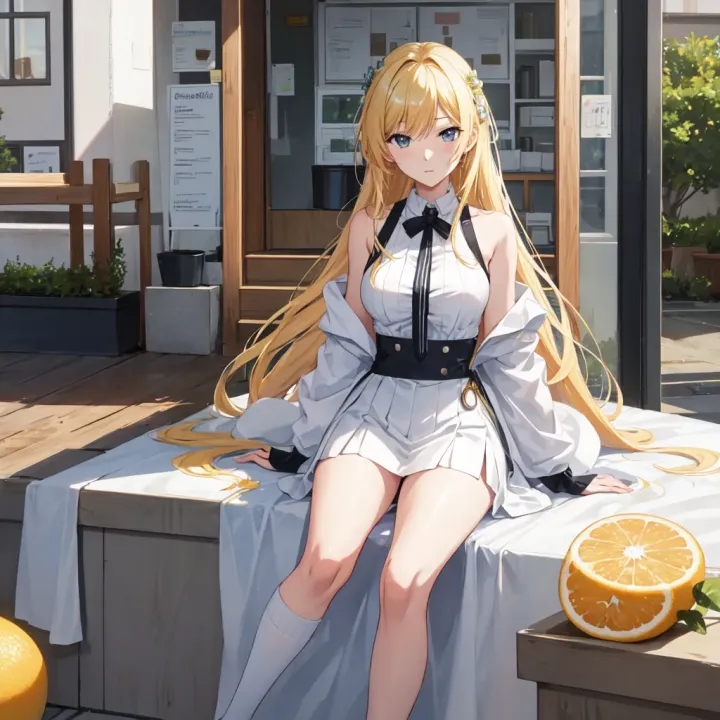
The Soundtrack And Emotional Manipulation
The opening theme "Azalea" by nano.RIPE is perfect for this show. It's energetic and slightly frantic, matching Yuzu's personality, but the lyrics talk about blooming in difficult conditions. The ending theme "Dear Teardrop" by Mia Regina slows everything down, giving you the emotional whiplash the characters feel after each episode's drama. The music doesn't let you relax. It keeps you in that anxious state where you're waiting for the next misunderstanding or confession.
The background score uses piano and strings during domestic scenes to make the shared bedroom feel both intimate and suffocating. When the show wants you to feel Yuzu's panic, the music gets electronic and buzzy. When Mei is shutting down emotionally, the sound drops out entirely. It's effective manipulation that makes the visual storytelling hit harder.
Why People Still Argue About This Show
Citrus sold over three million copies for a reason, but it's not because it's a perfect love story. It works because it captures the volatility of first love without sanding down the edges. Teenage romance is often selfish, obsessive, and poorly communicated. Yuzu and Mei don't meet cute and fall in love over coffee. They fight, they misunderstand each other, they use sex as a weapon and a shield, and they slowly figure out that love requires vulnerability they weren't taught how to express.
The anime adaptation by Passione covers the early volumes where the relationship is at its most toxic and dramatic. That's why the reception stayed mixed. Critics pointed out the melodramatic tropes and consent issues, while fans defended the emotional honesty. The truth is both sides are right. The show is problematic in its portrayal of how Mei handles her attraction to Yuzu, especially in those early forced kisses. But it's also rare in showing two girls dealing with the confusion of same-sex attraction in a conservative environment without turning them into caricatures.
The step-sister angle adds pressure that wouldn't exist if they were just classmates. Their parents are married, so they can't just break up and avoid each other. They have to sit at the same dinner table even when they're fighting. That permanence forces them to work through conflicts instead of running away, which makes the eventual reconciliation feel earned rather than inevitable.
Cultural Impact And What Came After
When Citrus hit the anime scene in Winter 2018, it arrived at a time when yuri content was either pure fluff or tragic endings. It carved out space for messy middle ground where relationships could be dysfunctional without being doomed. The manga continued in Citrus Plus, showing them actually dating and dealing with new problems like college plans and family acceptance, which the anime hasn't adapted yet.
The series sparked conversations about LGBTQ+ representation that continue today. Some viewers found it validating to see characters struggling with internalized homophobia and family pressure. Others felt it catered too much to male gaze or used the girls' relationship for shock value. The debate itself proves the work mattered. It forced people to define what they want from yuri stories, whether that's pure escapism or gritty realism.
The anime's legacy lives in how it influenced later girls' love series to take more risks with their character dynamics. You can see traces of Yuzu and Mei's energy in newer shows, though usually with less baggage. Citrus proved that yuri could sell big numbers while dealing with dark themes like emotional abuse and consent, even if it handled those themes clumsily at times.
Looking at the full picture, the Citrus anime relationship and themes succeed because they refuse to offer easy answers. Love here isn't a magic fix for family trauma or personal insecurity. It's work. It's choosing every day to communicate better than you did yesterday. The step-sister gimmick might have gotten people in the door, but the painful honesty about how hard intimacy really is kept them arguing about it years later. Whether you think it's brilliant or trash probably depends on whether you've ever been young and stupid enough to confuse obsession with affection. Most of us have. That's why it stings.