
The Daily Life of the Immortal King anime review community cannot stop comparing this show to The Disastrous Life of Saiki K and honestly that comparison ruins the conversation because it misses what actually makes this Chinese production interesting. Yes, both feature overpowered high schoolers trying to hide their abilities. Yes, both use deadpan comedy and food gags. But calling this a ripoff ignores that Wang Ling operates on completely different rules than Saiki. He is not a psychic who finds life boring. He is a cultivation prodigy who could destroy the planet by sneezing wrong and he is genuinely trying to survive normal school life without accidentally ending the world. That distinction matters because it changes how the story functions when it actually works, which is only during the first season before the adaptation collapses under its own weight.
You need to understand something upfront about this series. It is not Japanese anime. It is donghua, produced by Bilibili and animated by Haoliners Animation League, and it carries completely different cultural DNA than what most viewers expect. The show blends xianxia cultivation tropes, which are massive in Chinese web fiction, with modern high school comedy. Wang Ling has been suppressing his spiritual energy since birth using talismans his parents applied, and the entire premise revolves around him entering a cultivation high school while trying to keep his world-ending power hidden. This setup creates genuine tension because unlike Saiki who controls everything perfectly, Wang Ling is constantly on the verge of exploding. When he loses control, mountains disappear. The comedy comes from the gap between his deadpan expression and the catastrophic damage he accidentally causes, not from perfect competence.
The Saiki K comparisons started immediately when the show hit Netflix in 2020 and they never stopped. I saw a Reddit thread where someone pointed out that both protagonists love specific foods, both have pink-haired love interests, and both have parents who are comically supportive but incompetent. These similarities are undeniable and the show definitely lifts structural elements from Saiki K's playbook. However, claiming it is just a copy misses the execution differences. Wang Ling is emotionally stunted in a way Saiki is not. He starts the series nearly emotionless, having suppressed his feelings to control his power, and the first season actually tracks his gradual development of human connections through his relationship with Sun Rong and his friend group. This is not present in Saiki K's static character dynamic. The Daily Life of the Immortal King uses the overpowered protagonist setup to tell a story about learning to feel things without destroying everything around you, which is a fundamentally different thematic approach than just wanting a quiet life.
It Is Donghua Not Anime And That Changes Everything
Before you even press play you need to adjust your ears because the Mandarin voice acting hits different than Japanese anime dubs. Some viewers immediately turn on the Japanese dub, which exists for this series, but you are missing half the point if you do that. The original Chinese voice cast delivers performances that match the timing of Chinese comedy, which relies on different cadences than Japanese manzai or tsukkomi setups. Wang Ling's voice actor maintains this monotone deadpan that works perfectly for the character's suppressed emotional state. When he does express feeling, usually during fight scenes where his seal breaks, the shift in vocal intensity creates genuine chills. The Japanese dub is fine but it sandpapers off the cultural edges that make this show distinct.
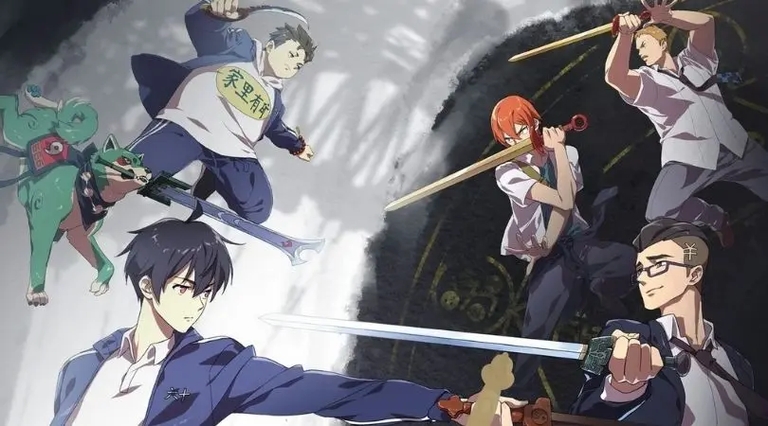
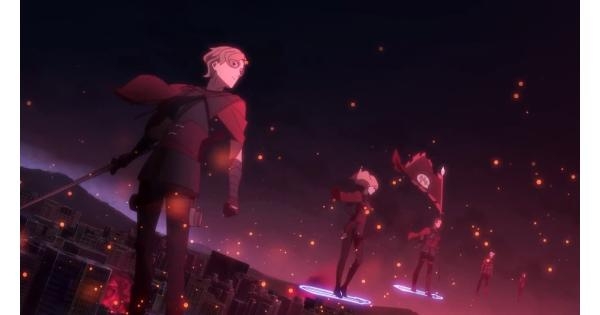
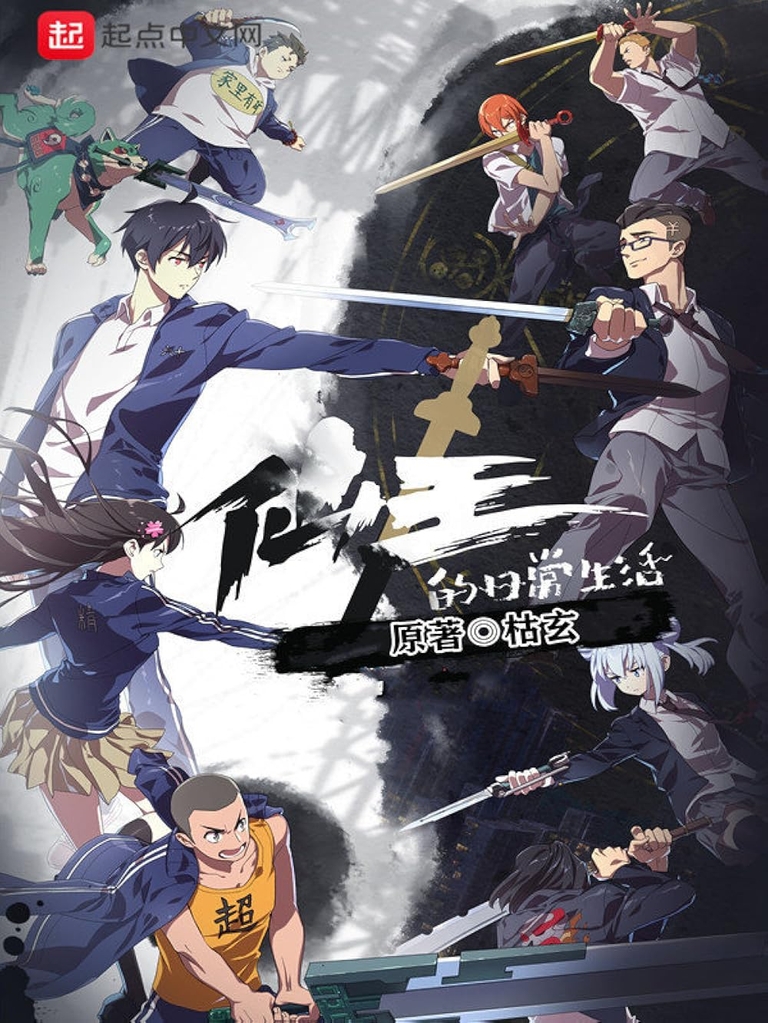
The animation quality surprises most people because they expect lower production values from Chinese studios. That assumption is outdated and this series proves it. Haoliners delivers fluid motion during action sequences with effects work that rivals mid-tier Japanese productions. The fight scenes where Wang Ling actually cuts loose feature massive scale destruction with creative uses of cultivation techniques, golden pills, and spiritual energy beams. The color palette pops with bright saturated tones that distinguish it from the more muted seasonal anime offerings. Character designs incorporate Chinese fashion elements mixed with school uniforms, creating a visual identity that does not look like it came out of Tokyo. The backgrounds use Chinese architectural influences for the cultivation academy buildings, which adds texture you would not get in a generic Japanese high school setting.
Season One Actually Works
The first fifteen episodes tell a complete story with proper pacing and emotional payoff. Wang Ling enters the school, meets Sun Rong who is the popular rich girl with her own combat capabilities, forms a friend group including the loyal but dim Guo Hao, and navigates school competitions while assassins and rival schools attack. The season builds toward a genuine emotional climax where Wang Ling has to choose between maintaining his emotionless suppression or connecting with friends at the risk of unleashing apocalyptic power. Episode fourteen specifically hits hard with Sun Rong's character arc concluding in a way that delivers surprising emotional weight. I read a review that compared the finale's impact to Futurama's best moments and while that sounds like hyperbole, the show earns that comparison through careful character work in the back half of the season.
The comedy lands consistently during season one because it understands the setup payoff structure. Wang Ling tries to hide his power level during a school competition, accidentally wins anyway through ridiculous coincidences, and deadpans his way through the aftermath. The supporting cast plays off him perfectly, with Sun Rong serving as the extroverted foil who drags him into social situations. The show also integrates Chinese internet culture references and cultivation novel tropes that feel fresh if you are familiar with xianxia fiction. The golden pill system, the spirit swords, the cultivation ranks, all of this worldbuilding gets introduced naturally without exposition dumps. Season one balances the slice of life school comedy with supernatural action better than most series manage, switching gears smoothly between cafeteria scenes and dimensional battles against demons.
Then Season Two And Three Break Everything
Stop after episode fifteen. I am serious. Do not continue to season two or three unless you enjoy watching adaptations fall apart in real time. The quality drop is immediate and severe. Where season one followed the web novel structure with some cuts, season two starts padding with filler episodes that go nowhere and character decisions that make no sense. The pacing slows to a crawl while simultaneously rushing important plot points from the source material. Wang Ling's character development resets repeatedly, creating a frustrating loop where he learns emotional lessons then forgets them by the next episode. The animation quality remains decent but the storyboarding falls apart, creating disjointed scenes where characters teleport between locations without transition.
Apparently the production team decided to diverge from the web novel around episode eight of the first season, but season two is where this decision becomes catastrophic. The web novel contains massive amounts of real world references, memes, and Chinese internet culture jokes that did not translate to animation, probably for legal reasons. When the anime cut these elements, it removed the soul of the source material. Instead of adjusting the story to work without these references, the writers invented new plotlines that contradict established rules and character motivations. Season three continues this decline with battles that have no stakes because the power scaling becomes arbitrary. Wang Ling is either completely invincible or suddenly struggling against opponents he should vaporize instantly, depending on what the episode needs rather than internal logic.
The Technical Stuff Holds Up
Visually the series maintains high standards throughout all three seasons even when the writing tanks. The fight choreography stays creative, utilizing cultivation techniques that involve hand signs, talisman throwing, and spiritual energy manifestation in ways that look distinct from standard anime magic systems. The character animation during comedic scenes uses exaggerated smears and deformation that rivals Mob Psycho 100 in energy if not in polish. Background music features traditional Chinese instruments mixed with electronic beats that create a unique soundscape. The opening themes slap, especially the first season opener which captures the chaotic energy of the show perfectly.
Subtitle quality becomes an issue in later seasons where the translation feels rushed. Important cultivation terms get inconsistent translations, making it hard to follow the power system rules. The yellow subtitle text used in some releases becomes nearly invisible against bright backgrounds during fight scenes. Netflix's official release fixes some of these issues but not all of them. The English dub exists but strips away the cultural specificity that makes the show interesting, turning it into generic cartoon fare.
The Adaptation Problem Nobody Wants To Address
The Daily Life of the Immortal King suffers from being adapted from a web novel that was never meant to be a coherent linear story. The source material is episodic, relies heavily on contemporary Chinese memes that expired within months of publication, and breaks the fourth wall constantly. When the anime removed these elements to create a continuous narrative, it had to invent connective tissue that the original author never wrote. This explains why season one works better, it had enough source material to adapt directly. Later seasons ran out of adaptable content and had to create original stories without the author's meme-based humor to fall back on, revealing that the underlying plot is paper thin.
The show also struggles with tone, attempting to balance slapstick comedy with serious emotional moments and high stakes action. Season one manages this balance by using the comedy to deflate tension before building it back up. Later seasons let the tones clash messily, cutting from cartoonish sound effects during a fight to graphic violence without transition. A specific recurring problem involves fat shaming directed at a supporting character, using terms like fatty to demean opponents, which feels unnecessary and cheap in a show that otherwise avoids cruelty for laughs. The romance between Wang Ling and Sun Rong gets teased then dropped repeatedly in later seasons, frustrating viewers who invested in their relationship during the first season's excellent finale.
The cultivation system itself gets poorly explained as the series progresses. Season one establishes clear rules about golden pills, spirit roots, and cultivation realms. By season three characters are pulling new abilities out of nowhere with no explanation, violating the internal consistency that makes power fantasy satisfying. The school setting becomes irrelevant, the rival schools stop mattering, and the story devolves into random encounters with demons that have no connection to the established plot.
Why You Should Still Watch Season One
Despite the catastrophic decline in quality, the first season of The Daily Life of the Immortal King remains worth your time. It is fifteen episodes of solid comedy, genuine character growth, and spectacular action animation. The relationship between Wang Ling and Sun Rong develops naturally from strangers to friends with potential for more, avoiding the will they won't they treadmill that ruins most anime romances. The friend group dynamics feel authentic, with Guo Hao providing loyal comic relief while other classmates get moments to shine. The season ends with a complete story arc that provides satisfaction even if you never watch another episode.
For viewers curious about donghua, this serves as an accessible entry point. It demonstrates that Chinese animation can match Japanese quality in terms of fluidity and art direction while offering cultural perspectives you will not find in Tokyo-produced shows. The cultivation genre elements introduce western audiences to xianxia tropes that power thousands of Chinese web novels, creating a gateway to understand why these stories dominate Asian online fiction. Just treat it as a single season show with an ambiguous ending rather than the start of a longer series.
The Daily Life of the Immortal King anime review scores should reflect this division. Season one earns a solid recommendation as a funny, well-animated supernatural school comedy with heart. Seasons two and three deserve warnings for wasting your time with filler and incoherent storytelling. Watch the first fifteen episodes, enjoy Wang Ling's deadpan struggle against social interaction and apocalyptic power levels, then stop before the magic wears off. You will have a much better experience pretending the story ended when the first season did, leaving the characters in a good place rather than watching them deteriorate into parodies of themselves.