
Everyone talks about Kaiman and Nikaido like they're the whole point of Dorohedoro, but they're missing the best part. The real heart of the series is the dorohedoro en family dynamics and character hierarchy, a messed up found family that somehow works better than most real families. You've got a mushroom-growing crime boss who treats his hitmen like adopted kids, and they love him back despite the fact that he could turn them into portobellos without breaking a sweat. That's the weird magic of Q Hayashida's writing. She created a group of murderous sorcerers who feel more like a dysfunctional sports team than a criminal organization, and it's why the En Family sticks in your head long after you finish reading.
The thing that makes them fascinating isn't just that they're powerful. It's that they're loyal to each other in a world where betrayal is basically currency. In the Magic Users' world, everyone is scheming. Everyone is looking for an angle or a way to stab their partner in the back for a promotion. But En's people don't do that because En built something different. He built a family structure that runs on genuine affection mixed with absolute terror, and somehow that combination creates the most stable organization in the entire series. Other groups fall apart the second their leader sneezes wrong. The En Family stays solid through assassinations, resurrections, and apocalyptic events because their bonds aren't transactional. They're real.
Breaking Down Dorohedoro En Family Dynamics and Character Hierarchy
The Paternal Boss
En isn't just a boss. He's a dad. A scary dad who can turn your insides into fungi, but a dad nonetheless. He runs the family like a strict patriarch from some old school drama, except instead of grounding you, he might trap you in a room full of explosive spores if you mess up too bad. The weird part is that he really does care about every single person under his roof. He knows their names. He remembers their injuries. He gets personally offended when someone hurts his people, and not just because it makes him look bad. This paternal thing isn't an act you can fake through a whole manga series. You see it in how he handles the cleaners. Shin and Noi aren't just employees, they're practically his adopted children. He trusts them with his life and his business secrets. When Shin gets hurt, En doesn't just send a get well card, he personally involves himself in the revenge. That's the dynamic that defines the whole organization. It's not corporate. It's familial. And that changes how everyone operates.
The hierarchy is absolute but it's also protective. En sits at the top like a weird mushroom-growing godfather, and everyone else arranges themselves in tiers below him based on skill, usefulness, and how long they've been around. But unlike other crime families in fiction, the En Family doesn't have constant power struggles because En makes sure everyone feels like they belong there. Even the bottom rung guys feel like they're part of something bigger than a paycheck. That's the trick. He sells them on the idea that they're family, and then he backs it up by actually treating them like family, which is more than most real parents do in this series.
The Two-Tier System
You've basically got two levels in the En Family operations. You've got the Cleaners, who are the elite hitmen and fixers, and then you've got everyone else who handles the day-to-day grunt work. The Cleaners are Shin and Noi primarily, though they occasionally bring in contractors for big jobs. These two are the only ones who really interact with En on a regular basis as peers rather than subordinates. They eat dinner with him. They argue with him. Shin talks back to En in ways that would get other people turned into compost, but that's because they've got history and trust built up over years of bloody work. They can get away with attitude because they've proven their loyalty through violence.
Below the Cleaners you've got people like Fujita and Ebisu. They're not elite. They're not powerful. Fujita is basically a walking disaster who can't seem to kill anyone important, and Ebisu is a kid with a lizard magic affliction and brain damage. In any other organization, these two would be dead weight or cannon fodder. But En keeps them around and pays for their medical bills and therapy because once you're in the family, you're in. That's the rule. It doesn't matter if you're useful or competent. What matters is loyalty and time served. This creates a weird safety net that you don't see in the Cross-eyes or any other group in the series. The Cross-eyes will discard you if you're weak. En's family will find a job for you even if you're terrible at your job. That's the difference between a found family and a criminal enterprise.
Shin and Noi: The Cleaners Who Run the Show
The Human-Magic User Bridge
Shin and Noi aren't just partners. They're the operational backbone of the entire family. Without them, En's mushroom empire falls apart because nobody else can handle the wet work with the same efficiency and trustworthiness. Shin's magic lets him dismember people without killing them immediately, which is useful for interrogations and sending messages. Noi's magic heals anything, which means she can patch up the family members after fights or revive enemies just to kill them again later for information. But their real importance is in how they stabilize the hierarchy. They're the bridge between En and the lower ranks. When Fujita screws up a mission, Shin is the one who deals with it, not En. When Ebisu needs protection, Noi steps in. They handle the day-to-day management of the family's human resources while En focuses on the big picture mushroom business and politics with the devils.
Shin's heritage is important here too. He's half-human, which means he understands both sides of the conflict in a way that pure magic users don't. This makes him valuable to En because he can operate in the Hole or in the magic world with equal comfort. It also means he has perspective on how fragile life is, which informs his approach to cleaning. He doesn't enjoy the violence, he just treats it like a job that needs doing. That professionalism sets the tone for everyone else. When the Cleaners act like professionals rather than psychopaths, it legitimizes the whole family operation.
Noi's Devil Potential and Loyalty Conflict
Noi is interesting because she should have outgrown the family by now. She's strong enough to become a devil, which is basically the ultimate status symbol in their world, but she keeps putting it off. She stays with the En Family because of her bond with Shin and her loyalty to En. That's huge. It shows that the hierarchy offers something that even godlike power can't replace, which is belonging. Noi could literally ascend to a higher plane of existence but she chooses to stay and eat dinner with these idiots instead. That tells you everything about how strong the family bonds are.
Her role as the healer also changes the power dynamic in interesting ways. In most hierarchies, the healer is vulnerable and protected. Noi is the strongest fighter in the room and the healer, which means she can break you and then fix you just to prove a point. This makes her simultaneously the most nurturing and the most terrifying member of the family. When she heals Fujita for the hundredth time after he gets himself hurt, she's showing that the family takes care of its own. But when she beats someone half to death for touching Ebisu, she's showing that the family's protection is absolute. She embodies both sides of the En Family philosophy, the care and the violence.
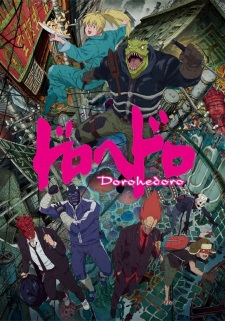
Fujita and Ebisu: The Underdogs Who Prove the System Works
Fujita is the character everyone underestimates including himself. He's weak, he's nervous, he wears a crappy mask, and his magic isn't particularly impressive. But he's the perfect example of how the En Family hierarchy protects its own. When he fails to kill Kaiman multiple times, En doesn't execute him. Instead, En keeps giving him chances or assigns him to work with Ebisu where the stakes are lower. This patience isn't weakness on En's part. It's calculated. He knows that loyalty built through forgiveness is stronger than loyalty built through fear alone. Fujita is so devoted to the family because they kept him when anyone else would have thrown him away.
Ebisu is even more interesting because she shouldn't be alive. She's a kid with severe brain damage who can barely control her magic. In the Cross-eyes, she'd be dead in a ditch. In the En Family, she's the mascot. Everyone protects her. Noi dotes on her. En pays for her treatment. This creates a weird dynamic where the weakest members of the family are actually the most protected, which is the opposite of how survival of the fittest usually works in these kinds of stories. The fact that the family keeps these two around and cares for them proves that the hierarchy isn't purely utilitarian. If it were, Fujita would have been fired and Ebisu would have been abandoned at a hospital. Instead, they're integrated into the daily life of the mansion. They eat meals with everyone else. They have their own rooms. They're family members with full status even though they contribute the least to the bottom line.
Kikurage and the Non-Human Family Members
People forget that the En Family includes beings that aren't human or even magic users. Kikurage is the obvious example, this weird little creature that En keeps as a pet and that helps with surveillance and reconnaissance. But Kikurage isn't just a tool. The family treats it like a member, feeding it and caring for it and worrying about it when it's in danger. This extends the definition of family beyond species and utility. When you're willing to risk your life for a pet, you're showing that your loyalty isn't based on what someone can do for you. It's based on love.
There are also various demons and modified humans that drift in and out of the family's orbit. The En Family doesn't discriminate based on origin. If you're loyal, you're in. This open door policy is risky because it lets potential spies or weak links into the organization, but it also creates a diverse support network that other groups lack. The Cross-eyes are all pure magic users with a specific aesthetic. The En Family takes all comers, which makes them harder to predict and harder to infiltrate because there's no standard mold to imitate.
Life Inside the En Mansion
Domestic Rituals and Hierarchy
The phrase "found family" gets thrown around a lot in anime discussions, but the En Family actually earns it. They aren't just coworkers who get along. They live together in En's massive mansion. They eat breakfast together. They celebrate birthdays and mourn deaths together. When one of them is hurt, the others drop everything to help. That's not a job. That's a family. You see this most clearly in the domestic scenes between major battles. There are whole chapters where nobody is fighting and they're just cooking or shopping or fixing up the house. These quiet moments show that the hierarchy isn't just about who can kill who faster. It's about who washes the dishes and who walks Kikurage and who makes sure Ebisu takes her medicine. The mundane daily life is what cements the loyalty.
The mansion itself reflects the hierarchy. En has his private quarters at the top, obviously, but the Cleaners have their own space that's separate from the grunts, and everyone has their own room rather than barracks or shared quarters. This physical space shows respect for individual identity within the group structure. You're not just a soldier. You're a person with a bedroom and probably some weird posters on the wall. That privacy within the collective is important for maintaining sanity in a job that involves dismembering people.
The Economic Foundation
You can't talk about the En Family without talking about the mushroom business. En's magic turns everything it touches into fungi, which sounds gross but is actually the foundation of their economic power. The family runs a legitimate business selling exotic mushrooms to the rest of the Magic Users' world, and that money funds everything else. The hit jobs and cleaner work are side gigs. The real business is agriculture. This economic base is important because it explains why the family is so stable. They aren't just criminals living heist to heist. They have property. They have investments. They have a mansion and employees and a brand. En is basically a CEO who happens to also be the most powerful sorcerer in the room, and that dual role means he can provide for his family in ways that pure crime lords can't.
The mushroom business also gives lower-ranked members like Fujita something to do when they aren't on assassination duty. They can work in the greenhouses or handle distribution or manage the books. It creates legitimate pathways for contribution that don't require combat ability, which is perfect for keeping people like Ebisu useful and engaged even if they can't fight. This economic diversity makes the family resilient. If the assassination market dries up, they still have food on the table. Other groups don't have that safety net.
Why They Survive When Others Fall
This is why the family stays together even when things get bad. When En is seemingly killed by the Cross-eyes, the family doesn't disband. They don't fight over the inheritance. They immediately start working to resurrect him because he's their dad basically. Even Shin, who is the most independent of the group, doesn't consider taking over or leaving. He just focuses on getting En back because that's his family. Compare that to the Cross-eyes, who fall apart the second their leader is gone. The Cross-eyes have a hierarchy based on power and drugs. The En Family has a hierarchy based on love and mushrooms. One of those is sustainable. The other isn't. It's that simple.
The character relationships in this group prove that structure matters less than emotional connection. You can have the most efficient command structure in the world, like the devils have, but if nobody cares about each other, it falls apart under pressure. The En Family is messy and inefficient and they keep useless people like Fujita around out of sentiment, but that mess is what makes them strong. They're not a machine. They're an organism that heals itself.
The En Family shouldn't work as well as it does. On paper, they're a bunch of murderers led by a guy with a mushroom fetish who employs children and incompetents. But in practice, they're the most functional and loyal group in Dorohedoro because they figured out that blood doesn't make family, loyalty does. The dorohedoro en family dynamics and character hierarchy prove that you can build something stable on a foundation of violence as long as everyone agrees to care about each other at the end of the day.
When you look at how they handle crisis versus how every other group in the series falls apart, it becomes clear that Hayashida was making a specific point. The Cross-eyes have power but no bonds. The devils have hierarchy but no warmth. Only the En Family has both structure and genuine affection, and that's why they survive everything the plot throws at them. They aren't just the villains or the antagonists. They're the proof that even in a world as brutal as the Hole, found family can thrive if you water it with enough loyalty and maybe some mushroom spores.
If you're going to remember anything about this series, remember that the lizard head guy isn't the point. The point is that a bunch of killers can sit around a dinner table and actually mean it when they say they love each other. That's the real magic of Dorohedoro. That's why fans keep talking about the found family aspects years after the manga ended. Because in a story full of body horror and violence, the most unrealistic thing is that people actually care about each other, and that's what makes it work.