
Tsukimonogatari arc analysis usually gets stuck arguing whether it's filler or not, and honestly that's missing the point. You get four episodes where Araragi looks in the mirror and sees nothing staring back, which is about as subtle as a brick to the face but somehow people still miss what it's saying. This isn't just about vampires or saving his sisters again. It's about a guy who's been playing hero for so long that his body is finally catching up to his self-destructive habits. The snow's falling, his reflection's gone, and he's still trying to bathe with his little sister while pretending everything's fine. If that sounds like a mess, good. It is. But it's the kind of mess that shows you exactly why Araragi is broken and why he can't fix himself.
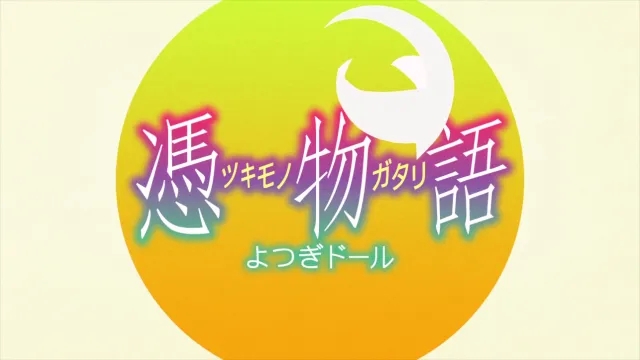
The arc kicks off twelve days after Hitagi End wrapped up, placing Araragi in that weird limbo where college entrance exams are coming but he's still dealing with the fallout from Nadeko's whole snake god breakdown. He's brushing his teeth or whatever and notices he can't see himself in the mirror. Not a glitch. Not a trick. His body is finally committing to being a vampire because he's used his regeneration powers one too many times. Shinobu explains it like he's got a terminal case of being too self-sacrificing, which sounds funny but isn't. Every time he tore his body apart to save someone else, he was voting to stop being human. The mirror just tallied the votes.
Apparently some people noticed this setup feels like filler at first glance, just Araragi worrying about his physical form while preparing for exams. But the lack of reflection hits different when you realize it's permanent this time. Not a temporary power-up. Not a cool vampire mode he can switch off. He's losing his humanity inch by inch and the bathroom tile is where he finds out. The show wants you to understand that Araragi's hero complex isn't noble anymore, it's just selfish destruction wearing a white knight costume.
Tsukimonogatari Arc Analysis and the Vampire Problem
Araragi's condition isn't a curse from an enemy. It's depreciation. He's been treating his body like a rental car, crashing it into walls and expecting the vampire warranty to cover the damage. Kagenui shows up and breaks his fingers just to test how fast he heals, and he does heal, but the cost is steeper now. His nail splits and regenerates wrong. His shadow stops working like it should. These aren't battle scars, they're receipts. Every time he regenerated for Hanekawa, for Senjougahara, for Kanbaru, he was cashing checks his humanity couldn't cover.
Shinobu knows what's happening but she's weirdly calm about it. She offers to turn him full vampire if he gets close to dying, which is like offering to burn down your house because you left the stove on. Their dynamic shifts here because Shinobu stops being the dependent one. She holds the power to make him immortal completely, and she makes it clear she's waiting for him to ask. The tension isn't about external threats anymore. It's about whether Araragi can stop himself from taking the easy way out. He can't. That's the answer. He never could.
Ononoki Yotsugi and the Snow That Never Melts
Then there's Ononoki. The deadpan doll with the orange hat who says "yay" like she's reading from a script she doesn't believe. She shows up in a crane game at first because this show loves being weird, but she's actually there to serve as Araragi's mirror in a way the glass can't. She's already what he's becoming. A fake human. A construct that moves and talks and wears cute outfits but isn't actually alive. The snow covers everything in this arc, blanketing the ruins of the cram school and turning the whole world white, and people have pointed out that this visual coldness matches Yotsugi's personality perfectly. She's cold because she has to be. Araragi's getting there by choice.

Yotsugi isn't lying about being human like some fans initially thought. She's imitating. There's this whole thing with the shoe analogy that some blogger broke down where she explains that apparitions take forms humans can understand because otherwise they can't interact. Yotsugi acts like a little sister or a weird friend because that's the costume that fits. She's performing humanity with the same enthusiasm as a vending machine dispensing soda. Araragi watches her kill Tadatsuru later and realizes she's a monster, but the scary part is she's a monster who knows exactly what she is. Araragi's still pretending he's just a regular guy who happens to heal fast.
The Visual Style Got Too Loud
Studio Shaft usually knows how to keep you glued to the screen during long conversations. They've got those head tilts, the weird architecture, the sudden cuts to patterns or text. But Tsukimonogatari cranks the saturation knob until it hurts. The cram school ruins turn into a neon yellow and purple nightmare that looks like someone spilled highlighter ink everywhere. Then it becomes a snow field. Then an ice palace. Characters teleport between locations without walking because the backgrounds are just suggestions now.

Some viewers complained that the color palette feels wrong compared to the warm, nostalgic filter of Bakemonogatari. Instead of cozy nights that feel like summer, you get this harsh, artificial brightness. The scrapbook text overlays they use for internal monologue look like ripped notebook paper from a middle school diary, bright orange and impossible to miss. It's distracting. The show wants you to read Araragi's thoughts but the paper looks like it belongs in a different anime entirely. Even the underwater scene with Yotsugi surrounded by tropical fish, which should look cool, feels like Shaft showing off new equipment rather than serving the story.
When Ninety Percent Talking Becomes Ninety Percent Stalling
This arc is basically a podcast with pictures. Araragi talks to Shinobu about being a vampire. Then he talks to Yotsugi about being a doll. Then he talks to Kagenui about being cursed. Then he talks to Tadatsuru about being dead. The conversations circle the same drain for episodes at a time. Kagenui explains that Araragi has to stop using his powers or he'll turn full vampire, which takes roughly forty minutes of screen time to establish when it could've taken five. The problem isn't that it's talky. Monogatari is always talky. The problem is that it's repetitive and doesn't go anywhere new.
Kagenui herself is annoying in this arc. She's supposed to be this badass immortal oddity specialist who can't touch the ground, which is a cool visual trick where she stands on lampposts and signs, but she mostly just lectures Araragi while breaking his fingers to test his healing. The scene where she snaps his digits and he heals them by thinking about Hanekawa's chest is supposed to be funny but lands weird. It feels like the show is stalling, killing time before the actual plot kicks in during the next season. One reviewer called it the embodiment of everything critics hate about Monogatari's circular dialogue, and they're not wrong. It goes in circles.
Tadatsuru Teori Dies So Araragi Can Stay Boring
The villain shows up at the end having kidnapped Karen, Tsukihi, and Kanbaru, which should raise the stakes but doesn't because you know Araragi will save them. Tadatsuru's whole deal is that he's an oddity specialist who deals with the dead, cursed so he can never touch the ground just like Kagenui but with a different specialty. He makes origami cranes as timers and talks about how beautiful apparitions are. He's got this laid-back energy that makes him seem like he knows more than he's saying, and he does. He straight up tells Araragi that someone is manipulating events behind the scenes, probably Ougi, but then he asks Yotsugi to kill him.
This is where the arc gets its only real punch. Yotsugi murders him without hesitating. She kills him because he asks, and because she's a monster, and Araragi has to watch what his future looks like. If he keeps using his vampire powers, he becomes something that can kill without feeling anything. Yotsugi says she's a monster afterwards and Araragi looks at her different. He realizes that all this time he's been treating her like a cute doll, lifting her skirt and making jokes, she's been a weapon that could end him. The snow keeps falling while this happens, cold and silent.
The Bath Scene and Why It's Gross
We need to talk about the first episode because it almost ruins the whole arc before it starts. Araragi takes a bath with Tsukihi. His sister. There's extended shots of him staring at her, commentary about her body, and this whole undercurrent of incestuous tension that the show plays for laughs but isn't funny. It's just uncomfortable. Then later he spends what feels like ten minutes looking up Yotsugi's dress while they're climbing the mountain, even after she tells him to stop and shows shame. The show treats her embarrassment like a punchline.
Some people defend this as Araragi being immature and the arc is about him not growing up, but that doesn't make it enjoyable to watch. It feels like a regression to Nisemonogatari's worst habits right after Second Season gave us actual character growth from Hanekawa and Senjougahara. One reviewer put it bluntly that watching Araragi stare at panties for extended periods after seeing such heavy emotional arcs previously feels like getting whiplash. It's boring too. We've seen Araragi be a pervert. We don't need four episodes reminding us he can't control himself around women and girls.
Orange Mint Is Good At Least
The opening theme "Orange Mint" sung by Saori Hayami saves this arc from being completely visually obnoxious. It's catchy, the animation is fluid, and it captures Yotsugi's weird energy better than the actual episodes do. The ending "Border" by ClariS has that whole sequence where Yotsugi turns into a spaceship which is bonkers in the best way. If you're going to watch Tsukimonogatari, don't skip the OP and ED because they're honestly the best parts. The music inside the episodes is fine but nothing special, just the usual Kei Haneoka stuff that sounds like someone dropped a piano down the stairs in a good way.
Why This Arc Is Actually Just a Warning Sign
Here's the thing most people miss when they call this filler. It isn't supposed to stand alone. It's a setup. A warning. Araragi spends four episodes learning he has to stop being a hero or he'll lose his humanity, and then immediately he's put in a situation where his sisters are kidnapped. He can't win. If he uses his powers to save them, he becomes a vampire. If he doesn't, they die. The arc ends with him not choosing either really, just getting bailed out by Yotsugi killing Tadatsuru, and then he goes on a date with Senjougahara for Valentine's Day.
That date scene is actually important. Senjougahara feeds him chocolate and tells him she loves him, and he starts rambling about his problems and she shuts him up. She says they can talk later. She recognizes he's spiraling and grounds him in the physical world for a minute. But the arc ends with Ononoki moving into his house as a doll won from a crane game, assigned by Gaen to watch him. He's being monitored now because he can't trust himself. The arc doesn't resolve his vampire issue. It just establishes that it's serious, that Ougi is manipulating things, and that Araragi is out of time to grow up.
This breakdown hits the nail on the head explaining how the arc traps Araragi in a loop where his refusal to mature is literally destroying his body. He's stuck being a high school hero even though high school is ending.
So yeah, Tsukimonogatari arc analysis often calls this the weakest link in Final Season, and maybe it is. The pacing drags, the colors hurt your eyes, and the fanservice feels like it belongs in a different decade. But it serves a function. It shows you exactly how trapped Araragi is in his own patterns. He can't stop sacrificing himself. He can't stop looking at women as objects. He can't stop using powers that cost him his reflection. The snow covers everything but it doesn't hide anything. It just makes the cold more obvious.
If you're watching for plot, this arc gives you almost nothing. Tadatsuru dies, Ougi smirks, and Araragi stays human by technicality. But if you're watching to understand why Araragi fails to change, this is essential. It's four episodes of a guy breaking his own promise not to break himself, and it's frustrating because he's doing it to himself. That's the point. Tsukimonogatari isn't a story about saving people. It's a story about how saving people can turn you into something that isn't people anymore. And that's worth watching, even if you have to sit through some really annoying dialogue to get there.