
Usagi Drop anime analysis why the ending is controversial starts with one hard truth. The show stopped at exactly the right moment while the manga kept going straight off a cliff into a mess that retroactively poisons everything good about the first half.
If you watched the anime, you saw a beautiful, quiet story about a 30-year-old guy named Daikichi who adopts his grandfather's illegitimate six-year-old daughter Rin. It's all about him learning to be a dad, sacrificing his bachelor lifestyle, and building a family bond that has nothing to do with blood. The anime ends with him taking her to elementary school, holding her hand, and it's perfect. That's where it should end. That's where most people wish it ended. Because if you pick up the manga after that point, you find out the author decided to skip ahead ten years and turn this heartwarming father-daughter story into a romance between Daikichi and a 16-year-old Rin. Yeah, really.
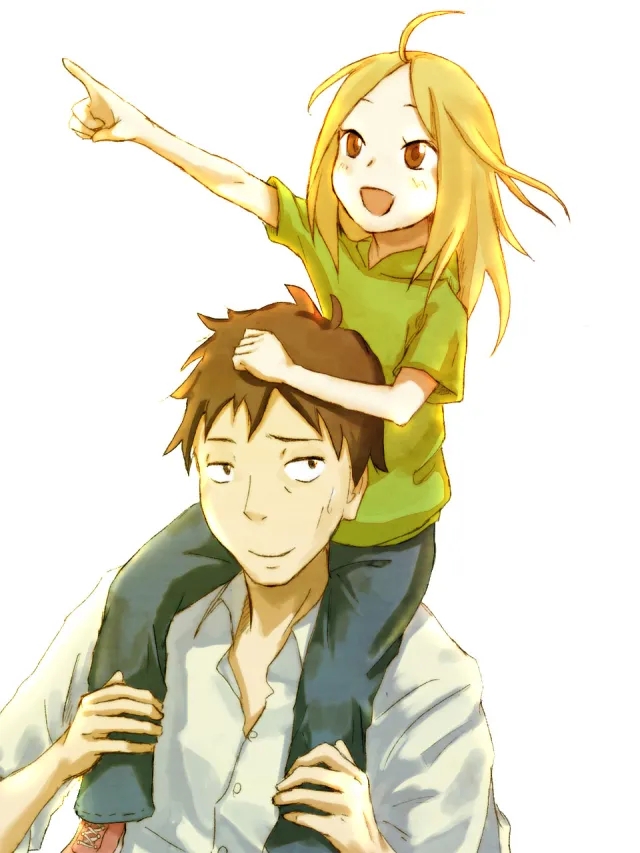
Where the Anime Got Off
The anime only covers the first four volumes of the manga. That's it. Eleven episodes covering roughly one year of Daikichi raising Rin from age six to seven. We see him figuring out daycare, dealing with her getting sick, meeting other parents like Yukari and her son Kouki, and slowly transforming from a self-centered salaryman into a devoted father. It's slice of life at its best. No huge drama, just the small, real moments of raising a kid who isn't yours but becomes yours through effort and love.
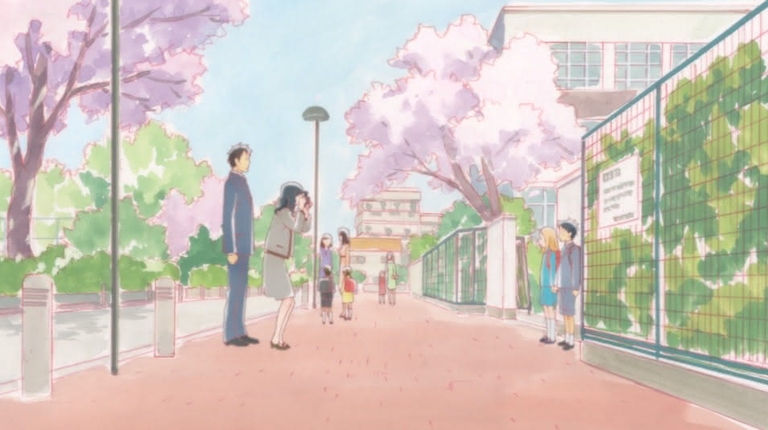
The final scene shows Rin losing her front teeth and Daikichi taking a picture. It's innocent. It's pure. It cements their relationship as firmly paternal. This is why the anime is still recommended constantly on threads asking for wholesome shows about parenting. It captures something real about how found family works. Daikichi never signed up to be a dad, he just couldn't stand seeing his relatives treat Rin like garbage at the funeral, so he stepped up. That choice, that moment of humanity, drives the whole show.
But here's the thing. The manga has ten volumes total. The anime stops at volume four. The production team made a choice to end it there, and looking back, it was probably the smartest move in anime adaptation history. Because volumes five through ten jump forward a decade and change everything.
Usagi Drop Anime Analysis Why the Ending is Controversial
The manga's second half starts with Rin as a high schooler. She's 16, Daikichi is 40, and suddenly she's not looking at him like a father anymore. She's looking at him like a potential boyfriend. The story shifts from being about parenting to being about Rin's romantic feelings and Daikichi trying to figure out how to handle his adopted daughter confessing her love to him.
It gets worse. There's a reveal that Rin isn't actually biologically related to Daikichi's grandfather, meaning she isn't blood related to Daikichi either. The manga treats this like a green light for romance. Like finding out they aren't technically related by blood makes it totally fine that he raised her from age six and now she's in love with him. The ending has them essentially agreeing to get married, with Rin thinking about having his kids.
This is why people hate it. It's not just that the age gap is 24 years. It's not just that he changed her diapers and now she's his bride. It's that the entire first half of the story was built on this beautiful theme that family is about choice and sacrifice, not biology. The ending betrays that completely by saying oh wait, they aren't actually related, so the romance is okay. It implies that if they were blood related, it would be wrong, which completely undermines the found family message that made the beginning so powerful. The show knew when to stop, and that's why the anime ending is the only one most fans acknowledge.
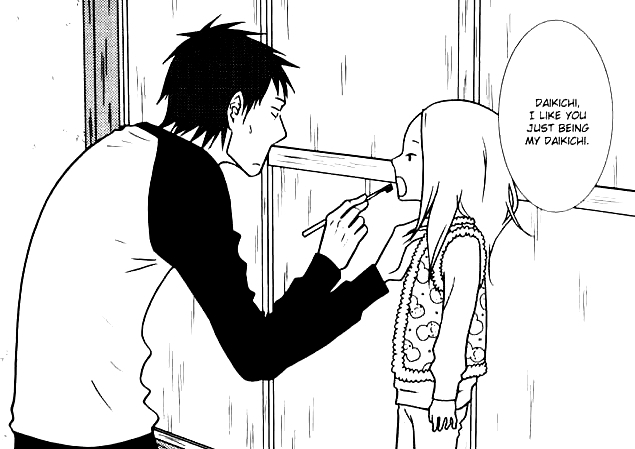
The Grooming Problem and Power Dynamics
Look, you can argue that Rin is the one who initiates everything. She confesses first. She pursues him. She never called him dad, she always called him Daikichi. Some fans point this out like it makes everything consensual and fine. But that's missing the huge power imbalance that exists when you raise a child from kindergarten through high school.
Daikichi controlled her entire environment. He chose where she lived, what she ate, her school, her friends, everything. That's not a relationship between equals. That's a parent and child. Even if she isn't his biological daughter, he is functionally her father in every way that matters. The manga tries to handwave this by having Daikichi say he never saw her that way, but come on. He acted exactly like a father for ten years. He went to parent-teacher conferences. He packed her lunches. He worried about her like a parent does.
When a 40-year-old man agrees to consider a romantic relationship with a girl he raised from age six, that's creepy regardless of whether she says it's what she wants. The grooming allegations stick because the manga shows him essentially waiting for her to graduate high school like that's some kind of moral high ground. He tells her he'll think about it if she still feels the same way after graduation, which is just... weird. It sexualizes a relationship that was previously entirely about unconditional parental love.
What the Director Thought
Kanta Kamei, the anime director, gave an interview where he admitted he had mixed feelings about the manga's direction. He said he was proud of the anime but uncomfortable with where the manga went. Apparently the anime only covered the first four volumes because the manga wasn't finished yet when they were producing the show, but there's a strong implication that even if it had been finished, they might not have adapted the rest.
The director admitted he thought it was great that Daikichi and Rin could live happily together, but he still had reservations about the romantic turn. That says a lot. When the guy who directed the adaptation says he's not sure about the source material's choices, you know something went wrong in the original. The anime team essentially protected viewers from the manga's ending by stopping where they did, whether that was their intention or just a lucky break from production schedules.
Wasted Potential and Better Alternatives
The manga wastes so much good setup. It introduces Kouki, Rin's childhood friend, who has a crush on her. It sets up Yukari, Kouki's mom, as a potential love interest for Daikichi. There's a whole subplot about Daikichi proposing to Yukari and getting rejected because she's worried about blending families. That's interesting drama about single parents trying to make it work. That's real life stuff.
Instead of exploring how Daikichi and Rin navigate him dating someone else, or Rin dealing with her first boyfriend, or how they maintain their family bond while she grows up and leaves the nest, the manga just... has her fall for him. It's lazy writing. It takes the easiest, most soap opera twist possible and ruins the grounded, realistic tone that made the series special.
If you want a show that actually handles this premise correctly, watch Sweetness and Lightning. It's about a single dad raising a young girl with help from one of his students, and it never goes weird places. It keeps the relationship firmly familial and wholesome. It proves you can tell stories about men raising girls without making it romantic.
The Author's Intent vs Reader Reception
Yumi Unita, the manga author, claimed she planned the ending from the beginning. She said it was always meant to be a josei romance about age gaps and raising children, not just a parenting story. But here's the problem. The first four volumes are so good at being a parenting story that they attracted a completely different audience than the one that wants to read about a 16-year-old marrying her guardian.
Josei manga often does explore complicated age gap relationships and taboo subjects, and that's fine for that demographic. But Usagi Drop got popular because the anime brought it to mainstream audiences who wanted wholesome family content. The manga's ending feels like a bait and switch. It lures you in with this beautiful father-daughter dynamic, then slaps you with romance in the final volumes.
Some defenders say Western audiences are just too prudish or don't understand Japanese cultural context. But Japanese fans hated it too. The ending is infamous in Japan as well. It's not a cultural misunderstanding. It's a story that betrayed its own themes. The slogan "there is no manga" exists for a reason. Fans pretend the manga past volume four doesn't exist because accepting it ruins the anime.
Legal vs Ethical Distinctions
Technically, when Rin turns 20 and they aren't blood related, they can legally marry in Japan. The manga makes a big deal about this technicality. But legal doesn't mean ethical. Just because something isn't incest on paper doesn't mean it isn't creepy in practice.
The story tries to use the "not blood related" twist as a get out of jail free card for all the moral questions it raises. But it doesn't work. Daikichi still raised her. He was still her father figure for her entire remembered life. The biological technicality doesn't erase the psychological reality of their relationship. It actually makes it worse because it suggests the author knew the blood relation would make it too taboo, so she manufactured a loophole to make it technically okay while keeping all the gross power dynamics intact.
Why This Still Matters
Usagi Drop stands as a warning about adaptation and creator intent. It shows how a perfect anime can exist alongside a terrible manga conclusion. It proves that sometimes stopping a story early is an act of mercy. The anime is only 11 episodes but it's complete. It has an arc. It has a satisfying conclusion. The manga drags on for ten volumes and destroys its own legacy in the final two.
For anyone looking to get into the series, the advice is always the same. Watch the anime. Love the anime. Then stop. Don't read the manga unless you want to ruin the characters for yourself. The anime ending isn't controversial at all. It's the manga that's the problem, and the anime's existence is controversial only because it reminds people that the story could have stayed good but chose not to.
Usagi Drop anime analysis why the ending is controversial comes down to this fundamental betrayal. The show gave us a masterpiece about fatherhood. The manga gave us a cautionary tale about why some stories should stay focused on family instead of forcing romance where it doesn't belong. Stick with the anime. Hold onto that image of Daikichi holding Rin's hand at the elementary school gates. That's the real ending. Everything else is just a bad dream that fans rightfully ignore.