
People keep calling the ending of Weathering With You selfish like that's a bad thing. They see Hodaka choose Hina over Tokyo and think he threw the world away for a crush, but that's missing the whole point of this weathering with you anime movie analysis. The film isn't about climate change or teenage recklessness. It's about refusing to let the world grind you down until you disappear.
Makoto Shinkai made something messy and honest here. After Your Name blew up and broke every box office record in Japan, everyone expected another clean save-the-world romance with perfect timing and fate fixing everything. Instead he gave us rain. Three years of it. And a girl who can stop it but only if she stops existing.
You need to understand what this movie is actually doing before you judge those final twenty minutes.
The Rain Looks Better Than Real Life
Let's talk about the obvious thing first because it's impossible to ignore. The water in this movie doesn't look like other anime. It looks like someone spent years staring at storm drains and puddles until they understood how light breaks through raindrops.
Every frame of this weathering with you anime movie analysis has to mention the animation because it's ridiculous. Shinkai's team at CoMix Wave Films didn't just draw rain. They gave it weight and personality. When Hodaka runs through Tokyo getting soaked, you feel the heaviness of his clothes. When Hina prays and the clouds split open, the sunshine doesn't just appear. It punches through.
They used a mix of hand-drawn stuff and CGI but blended it so well you can't tell where one ends and the other starts. The cityscapes are packed with detail too. You can see specific neighborhoods like Yoyogi and Shinjuku rendered with this obsessive precision that makes Tokyo feel like a character that's drowning.
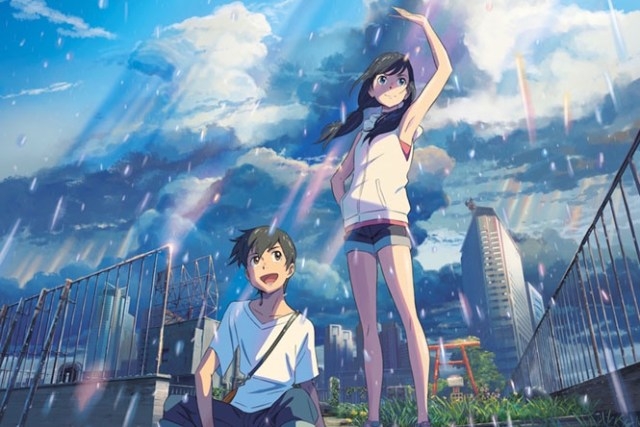
I've seen people say the rain is "pretty" which is selling it short. It's oppressive. It never stops. By the time you reach the third act you're so tired of seeing gray skies that when the sun finally hits, it's like physical relief. That's the point. The weather isn't just background. It's the antagonist.
They render every surface differently when it's wet. Concrete gets that dark sheen. Metal railings reflect the gray sky. Puddles don't just sit there, they ripple with every footstep and breath of wind. I've watched this thing three times and I still notice new details in the background. A vending machine's reflection in a puddle. The way neon signs blur through rain on glass.
The character designs pop against this realism. Hodaka's bright jacket stands out against the gray. Hina's hoodie becomes this visual anchor. When she puts on the traditional weather maiden outfit at the shrine, it looks almost alien against the modern Tokyo backdrop. That's intentional. She's becoming something ancient and separate from the world she knows.
Why The Ending Isnt What You Think
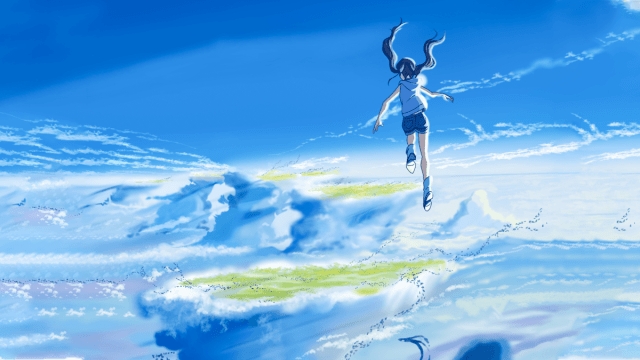
Okay so here's where everyone gets loud and wrong. Hina learns she's the "weather maiden" which means she can control the sky but the price is she has to vanish into some cloud dimension to fix the messed up climate. The movie presents this like it's destiny. She goes up to that weird torii gate in the sky to sacrifice herself because that's what the world demands.
Then Hodaka shoots through the gate with a gun he found earlier and pulls her back down. Tokyo keeps raining for three more years and eventually floods. People call him selfish. They say he doomed the city for a girl he barely knows.
But here's what I keep coming back to in this weathering with you anime movie analysis. Hina is fifteen years old. She's already lost her mom. She's working illegal jobs to feed her little brother. The world already took everything from her and now it wants her life too? And we're supposed to cheer for that?
some folks argue that the film rejects forced martyrdom. I buy that completely. The "external forces" in the sky aren't gods with a moral plan. They're just the status quo demanding blood to fix problems adults created. Hodaka choosing Hina isn't about prioritizing romance over civilization. It's about saying one person's existence matters more than abstract concepts of balance.
People bring up The Matrix or other sci-fi where one person dies to save everyone. They think Hina is Neo and she's supposed to plug herself in to balance the equation. But the movie keeps showing you that the weather system isn't moral. It doesn't care about Tokyo. It just wants a toll paid.
There's this interpretation floating around that the "external forces" are actually aliens or future tech or gods. I don't think it matters what they are. What matters is they want a teenage girl to cease existing so the sky stops crying. And the movie asks you to look at that demand and say that's messed up.
Hina makes the choice to go up initially because she's been conditioned to be useful. She takes care of Nagi. She works jobs she shouldn't have to work. She feeds stray cats. She's the "good kid" who always sacrifices. The movie breaks her out of that pattern by having someone value her existence more than her utility.
Suga gets this. He starts the movie as this washed up dad trying to get his daughter back and worrying about looking respectable. By the end he's helping Hodaka break the law because he realizes respectability is worthless if you lose the people you care about. The film keeps asking who gets to decide who suffers for the greater good. The answer is nobody.
It Is Not Your Name 2
I get why people do it. Same director. Same composer. Same "teenagers save each other while the world goes weird" setup. But treating this like Your Name with rain misses why Shinkai made this one different.
In Your Name Taki and Mitsuha spend most of the movie not meeting. They share a body or swap places but they're separated by time and distance. The tension comes from them trying to find each other across impossible gaps. It's about fate and red strings and perfect timing fixing everything.
Weathering With You puts its leads together immediately. Hodaka meets Hina in that trashy alleyway and they build a weird little business together. They sell sunshine to people who need it for weddings and festivals. You see them eat together and laugh and fight. The romance builds through shared labor and survival rather than mystical connection.
That makes the ending hit harder. When Hodaka loses her, he isn't losing some cosmic soulmate he met twice. He's losing the person he shares a cramped apartment with. The girl who made him feel safe when Tokyo was trying to kill him. The movie earns its emotional beats through proximity rather than destiny.
others have noticed that this approach makes it more divisive. Your Name gives you a neat bow at the end. Weathering With You gives you a flooded city and two kids holding hands. Some viewers hate that ambiguity. I think it's braver.
Your Name has this ticking clock where they're racing through time to save a town from a comet. It's about preventing disaster. Weathering With You accepts that the disaster is already happening. The rain won't stop. The world is already broken. So the stakes become personal instead of cosmic.
Taki and Mitsuha are trying to change fate. Hodaka and Hina are trying to survive it. That's a huge difference in tone. One is about the triumph of love over physics. The other is about finding a dry spot to stand while the storm keeps raging.
Also the comedy hits different. Your Name had body swap humor and gender jokes. Weathering With You has Nagi being a weird little freak and the cat Rain judging everyone. It feels more grounded even when it's about magic sky girls.
The Side Cast Carries The Weight
People focus on the leads but Keisuke Suga and Natsumi are doing heavy lifting here. Suga isn't just a weird uncle figure who gives Hodaka a job. He's the mirror showing what Hodaka becomes if he doesn't choose Hina.
Suga lost his wife. He's barely scraping by with his publishing gig. He's so scared of looking unstable to the courts that he pushes Hodaka away when the cops come asking. But in that final chase sequence when he helps Hodaka get to the rooftop, he chooses connection over safety. He'd rather be a criminal dad with his daughter than a respectable lonely man.
Nagi is weird and funny and keeps the movie from drowning in its own melancholy. He's a little kid who understands more than he lets on. When he helps Hodaka break into the shrine, he's not just being a cute sidekick. He's actively choosing his sister over the weather.
Natsumi doesn't get enough credit either. She's the assistant to Suga and she drives the investigation into weather maidens. She's also the one who finds the folklore about girls disappearing to fix the weather. Without her, Hodaka wouldn't know where to look when Hina vanishes.
She represents the adult who still believes in magic but has the resources to act on it. She has a bike. She knows the city. She doesn't treat Hodaka like a child. When she shows up during the chase scene on that motorcycle, it's not just cool action. It's an adult choosing the kids' side over the system.
Even the detective chasing them has a point. The law says Hodaka has to go home. The law says Hina can't raise her brother alone. The movie keeps showing systems that don't care about individual pain. The adults aren't evil. They're just stuck in procedures that grind kids down.
The Sunshine Business Is Darker Than It Looks
They start this website where people pay them to stop the rain for events. Weddings, festivals, photo shoots. It's cute for a while. They make money. Hodaka gets to feel useful. Hina gets to feel special.
But watch Hina's face during the montage. Every time she prays, she gets weaker. Her body starts becoming translucent. They're literally monetizing her life force and nobody stops to ask if they should. The clients don't care. They just want their sunny days.
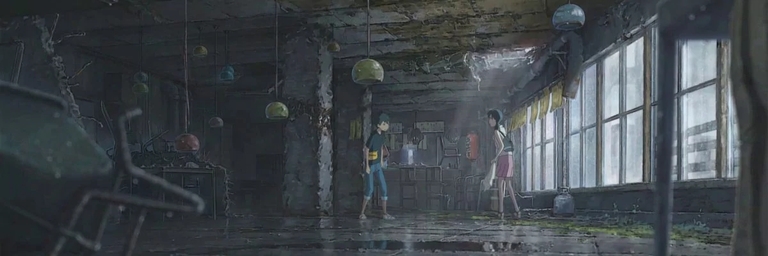
This is where the movie gets subtle about economics. Hina's labor is draining her dry but it's providing happiness for others. The economy of Tokyo demands her body. Whether it's McDonalds taking her time or the sky taking her atoms, she's being consumed. Hodaka doesn't see it at first because he's just happy to be part of something.
The scene at the festival is the breaking point. She clears the sky for a massive crowd and almost vanishes right there. That's when you realize this isn't a superhero origin. It's a horror story about a girl being eaten by the city she lives in.
That McDonalds Product Placement
Can we talk about how weird it is that McDonalds is so prominent in this movie? Hina works there. They eat there constantly. The logo is everywhere.
It pulls me out every time. I know Shinkai wanted to ground the film in real Tokyo locations but having the golden arches glow behind these kids during emotional moments feels like a commercial break. Some anime hides its sponsors better. This one doesn't even try.
There was apparently a whole marketing campaign where you could buy Weathering With You themed burgers. That's just capitalism doing its thing but in a movie about rejecting systemic demands for sacrifice, seeing corporate branding everywhere feels accidentally ironic.
The Music Makes The Rain Bearable
RADWIMPS came back after Your Name and somehow made a soundtrack that matches the visuals. "Grand Escape" plays during that final sequence where Hodaka climbs into the sky and it shouldn't work. It's too big and orchestral for a teenager with a borrowed gun.
But that's the point. The music doesn't care about realism. It cares about how it feels to be sixteen and desperate. The way the vocals cut in when the sun breaks through, or how the piano stays quiet during the sad scenes, it manipulates you perfectly.
I saw some complaints that the songs are too poppy or that they interrupt the flow. Fair enough. But when Hina starts floating and the choir kicks in, it creates this sensation of rising that animation alone couldn't manage. The sound and the picture need each other here.
Real Places That Feel Unreal
Shinkai loves mapping real Tokyo geography into his films. The building with the shrine on top exists. The alley where Hodaka nearly gets run over is a real spot in Shinjuku. You can visit the McDonalds where Hina works though I don't know why you'd want to.
This isn't just tourism bait. It grounds the fantasy. When Hina prays and the rain stops over specific neighborhoods, you recognize the skylines. It makes the impossible feel local. The weather maiden legends get tied to actual Shinto shrines like Kishou Jinja which apparently has real weather-related history.
The flooding at the end uses real projections of what would happen if Tokyo Bay rose. Shinkai isn't just drawing water over streets. He's showing you climate change with the handbrake off. The fact that it looks beautiful while destroying the city is messed up but intentional.
What The Climate Change Angle Actually Means
Some critics think this is an environmental movie. They see the endless rain and the flooded Tokyo and think Shinkai is lecturing about global warming. I don't buy that reading at all.
If this was about saving the planet, Hina would have stayed in the sky. The movie would punish Hodaka for being selfish. Instead it rewards him with three years of rain and a happy reunion. The climate doesn't get fixed. The adults don't learn anything. The world keeps getting wetter.
That's because the weather isn't a metaphor for carbon emissions. It's a metaphor for entropy. Things fall apart. Systems collapse. Adults fail to fix problems and expect kids to pay the price. Hina's power doesn't come from her virtue. It comes from her willingness to disappear. The movie asks why we keep demanding young people sacrifice their futures to maintain broken status quos.
The movie came out when Japan was dealing with massive flooding and typhoons. Shinkai said in interviews that he didn't want to make a preachy environmental film. He wanted to show what it feels like to live in a world where the weather is broken and nobody knows how to fix it.
That's exactly what he delivered. The adults in Weathering With You don't have solutions. They build bigger drainage systems. They move to higher ground. They adapt to the new normal. They don't stop the rain because they can't.
This isn't defeatist. It's realistic. The film suggests that we're past the point of preventing climate disaster and into the phase of managing it. And in that world, the only thing that matters is who you choose to stand next to while the water rises.
The Gun And The Law
Hodaka finds a gun in the trash early on and carries it the whole movie. It goes off accidentally and causes problems. By the end he's pointing it at the sky itself.
Critics call this chekhovs gun done lazy. I think it's weirdly perfect. He's not a violent kid. He's scared and small and the gun makes him feel like he has agency in a city that keeps knocking him down. When he fires it into the clouds to break Hina free, he's not solving violence with violence. He's rejecting the rules entirely.
The police treat him like a terrorist. The news calls him a delinquent. But without that gun, he couldn't have reached her. Sometimes you need to break the law to break the cycle.
The detective who keeps showing up isn't a villain either. He's just doing his job. But his job is to return runaways to abusive homes and separate families for paperwork reasons. The movie doesn't make him evil. It makes him an instrument of the order that demands sacrifice.
Why You Should Skip The Dub
I tried watching the English dub once and had to turn it off twenty minutes in. The voices were wrong. Not just different, but wrong. Hodaka sounded too old. Hina sounded like she was reading a textbook. The emotional beats didn't land.
the English dub is terrible according to plenty of viewers, and I agree completely. Apparently the translation also softens some of the rougher edges. The Japanese version has Hodaka using specific rough language that shows he's country trash trying to sound tough. The English makes him sound like a standard anime protagonist.
If you're going to watch this, use subtitles. Not because dubs are always bad, but because this specific dub loses the texture of Tokyo's dialects and the specific rhythm of the rain sounds against the voice acting.
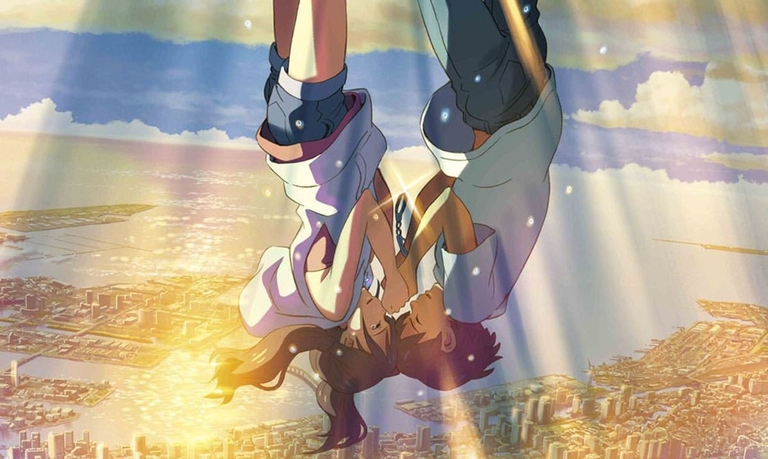
Weathering With You isn't a comfortable movie. It doesn't give you the satisfaction of seeing the sun return permanently. It doesn't show Hina and Hodaka fixing the weather or becoming heroes. They're just two kids who chose each other over the world and have to live with wet shoes forever.
That's why this weathering with you anime movie analysis keeps circling back to choice. Shinkai made a film about refusing to be a martyr for systems that don't care about you. The animation is gorgeous sure. The rain looks better than reality. But the guts of the movie are in that final shot of them holding hands while Tokyo drowns.
The final scene where Hodaka returns to Tokyo after three years and finds Hina praying on that overpass hits me every time. The city is half underwater. People are using boats on the streets. But they're smiling. Life didn't end. It just changed.
He doesn't apologize for flooding Tokyo. She doesn't apologize for not being a martyr. They just stand there in the rain that will never stop and recognize that they made the right choice. Not the easy choice. Not the good choice. But the right one for them.
You can call it selfish if you want. But maybe we need more stories where teenagers look at the demands being placed on them and say no. Where they decide their lives matter more than abstract stability. The city survived. The rain didn't kill anyone. Hina got to grow up.
That's not a tragedy. That's a victory.