

Everyone wants to know why great teacher onizuka anime ended so abruptly after just 43 episodes. You watch Onizuka pull that insane German Suplex on the vice principal, you see him actually get through to Class 3-4, and then boom, he's riding off into the sunset on a bike while the ending theme plays. That's it. No Season 2. No proper finish. Just an open ending that left fans hanging for over two decades now.
The truth is messier than most people realize. It wasn't just low ratings or lack of source material. The anime adapted roughly the first 13 volumes of Tohru Fujisawa's manga, stopping right after the Okinawa arc. But Fujisawa kept drawing for years after that. The manga had entire storylines left on the table, including the wild Teshigawara arc and more development for Urumi Kanzaki that the anime barely touched. So why didn't they keep going? That's the question that keeps coming up on forums, and the answer involves production schedules, the insane popularity of the live action version, and the weird economics of late 90s anime broadcasting.
Why The Anime Stopped At Episode 43
Studio Pierrot produced GTO during the 1999-2000 broadcast season. That's the same era that gave us Hunter x Hunter and Initial D, so competition was brutal. The show ran for 43 episodes, which sounds like a lot until you realize the manga ran for 25 volumes and had enough content for at least another 50 episodes.
The anime ends with Onizuka taking the fall for a student's crime, then fleeing before the police can grab him. The final shot shows him riding toward another school full of delinquents, with Fuyutsuki waiting on the rooftop back at Holy Forest. It's an open ending that works emotionally, you get the sense that Onizuka's journey continues forever, but it's not an ending at all. It's a stop sign.
Production sources from that era suggest the anime caught up to the manga's ongoing publication schedule. Fujisawa was still drawing monthly chapters in Weekly Shonen Magazine, and filler arcs weren't really the style back then the way they were for Dragon Ball Z or Naruto. Studio Pierrot could have invented original stories, they certainly did it for other shows, but GTO relied heavily on the specific character writing and social commentary that made the manga work. Making up new stories risked breaking the formula that made the show click.
There's also the matter of the 1998 live action drama. That show starred Takashi Sorimachi as Onizuka and it was a massive hit, ranking as the 8th most watched broadcast in the Kanto region that year. When the anime started a year later, a huge chunk of the potential audience had already seen a version of these stories played by real actors. The market was saturated with GTO content, which might explain why the anime never got the green light for a continuation even when the manga kept selling millions of copies.
What The Manga Did That The Anime Skipped
If you think the anime told the whole story, you're missing about half the plot. After the Okinawa arc where the anime stops, Fujisawa wrote some of the heaviest material in the entire series. I'm talking about the true resolution to Urumi Kanzaki's suicide attempt, the full backstory of why Class 3-4 hated teachers so much, and the introduction of the creepy teacher Teshigawara who makes Vice Principal Uchiyamada look like a saint.
The manga also deals with Onizuka's brain aneurysm, which gets mentioned in the anime but never really explored. In the printed version, this health issue becomes a ticking clock that adds real stakes to his teaching methods. He isn't just a reckless guy doing crazy stunts, he's a man who thinks he might die any day and wants to make his remaining time count. That changes the whole reading of his character.
There's also way more development between Onizuka and Azusa Fuyutsuki. The anime hints at romance but never commits. The manga pushes this further, though Fujisawa always keeps Onizuka's virginity status as a running gag that never quite resolves. Speaking of which, the sequel manga GTO Paradise Lost eventually has him sleeping with a character named Nana, which pissed off a lot of longtime fans because it felt like it broke the established character logic. But that's a problem for later.
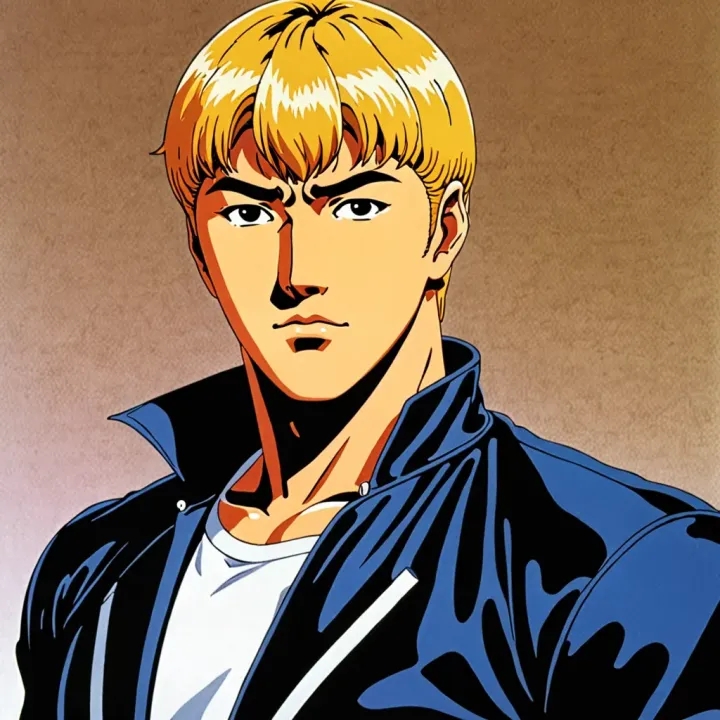
The Live Action Shadow
You can't talk about why the anime ended without acknowledging the 1998 live action series. This thing was everywhere in Japan. It made Takashi Sorimachi a superstar and it covered many of the same arcs as the anime, just condensed into 12 episodes plus specials. The drama took huge liberties with the source material, Onizuka lives with his biker friends instead of at the school, and it skips some of the more dangerous stunts for obvious safety reasons, but it captured the heart of the story.
Because the drama hit so hard and ended with a definitive conclusion, the anime became redundant for casual viewers. Why watch 43 episodes of animation when you got the gist in 12 live action episodes? This split the fanbase and probably killed any momentum for a second anime season. By the time the manga had enough new material to adapt, the anime production window had closed. Studios had moved on to the next seasonal hits.
Why We Never Got Season 2
People keep asking about a Season 2. There's a Reddit thread where fans theorize about a GTO Revive adaptation, maybe with a filler movie first to test the waters. But the reality is bleak. Fujisawa is older now, drawing at a slower pace, and the anime industry has changed completely.
Modern anime runs on committee decisions and international streaming rights. GTO is a tough sell to new viewers because it looks old, the 4:3 aspect ratio and cel animation mark it as a 90s product, and the humor is politically incorrect by today's standards. Onizuka ogles his students, threatens violence regularly, and does things that would get a real teacher arrested immediately. The show frames these as flaws he gets punished for, but modern localization teams get nervous about that stuff.
There's also the problem of Paradise Lost. This sequel manga updates the setting to modern times with smartphones and PlayStation 4s, but it keeps the same characters who should be in their 30s by now. Fans pointed out that this creates a messy timeline where the original GTO is supposedly set in 1999 but Paradise Lost acts like it's 2015. If they ever did adapt more GTO, they'd have to choose between the classic continuity or this weird modern hybrid that doesn't quite fit.
The Legacy That Actually Matters
Despite the messy ending, GTO left a solid mark on the industry. You can draw a straight line from Onizuka to Korosensei in Assassination Classroom. Both are teachers who deal with problem students using unconventional methods. Both hide tragic backstories behind goofy exteriors. Both face down corrupt administrations. The DNA is obvious.
GTO also paved the way for school dramas that take teaching seriously as a subject. Before this, most school anime were either pure comedy or fighting shows. Onizuka actually talked about the education system, about how broken it is when teachers care more about reputation than students. He called out parents who neglect their kids while demanding perfect grades. That was heavy stuff for a shonen magazine in 1997.
The character writing holds up too. Urumi Kanzaki remains one of the best written problem students in anime history. Her arc about craving attention because of parental neglect hits harder now than it did then. The way Onizuka breaks through her defenses isn't with a speech about friendship, it's by making her realize her own self-destructive patterns. That's real psychology, not just anime tropes.
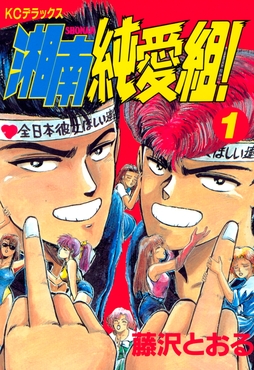
Where Onizuka Came From
If you want to understand why the anime ended the way it did, you need to look at Shonan Junai Gumi. This is the prequel manga that follows teenage Onizuka and his best friend Ryuji Danma as biker gang leaders. The GTO anime references this history constantly, showing flashbacks to Onizuka's mentor Kyosuke Masaki, but it never fully explains the weight of that backstory.
Shonan Junai Gumi ran for 31 volumes and got a 5-episode OVA adaptation. It ends with Onizuka faking his death to escape the delinquent life, which leads directly into him becoming a teacher in Tokyo. The anime assumes you know this context, or at least that you accept Onizuka has this wild past without questioning it. When the GTO anime stopped at episode 43, it was essentially saying "go read Shonan Junai Gumi if you want the beginning, and read the GTO manga if you want the end." It was never meant to be the whole story.
Why Modern Fans Miss It
There's a Quora discussion about why GTO isn't popular with new viewers, and the answers boil down to visibility and pacing. The show isn't streaming on the major platforms consistently. You can't just open Crunchyroll and find it easily. When new fans do find it, the episodic structure feels slow compared to modern binge-watchable series.
But the real issue is cultural translation. GTO is deeply specific to 1990s Japanese school culture. The bullying dynamics, the cram school pressure, the way teachers are expected to behave, all of this requires context that overseas viewers might not have. Onizuka's solutions often involve physical comedy that looks like abuse out of context. You've got to understand Japanese educational hierarchies to see why his rebellion matters.
The Open Ending That Worked
Honestly? The ending we got might be better than a forced conclusion. Onizuka rides off to help more kids, Fuyutsuki waits for him, and the cycle continues. It captures the whole point of the series, that teaching isn't a job you finish, it's a permanent state of being. The guy is a Great Teacher, not a Temporary Teacher.
The manga eventually gives more closure, showing him still teaching years later in the 14 Days in Shonan side story, and dealing with adult students in Paradise Lost. But that continuation has problems. The magic of the original was watching this former biker reach kids that society had given up on. When you make him a college professor or whatever in the sequels, you lose that specific magic.
What We Lost When It Ended
When the anime stopped, we lost the animation of some of the best manga chapters ever drawn. The Teshigawara arc in particular would have been incredible on screen, dealing with a teacher who actually tries to kill a student, and Onizuka having to stop him while hiding his own brain damage. That's cinema right there. We also missed the full resolution of Miyabi Aizawa's character arc, which gets way more complex in the later volumes.
But we gained something too. The anime we have is a time capsule of late 90s aesthetics, with that grainy film look and the punk rock soundtrack. A modern continuation would be shiny and digital and probably lose that rough edge. The voice cast, with Wataru Takagi screaming his lungs out as Onizuka, defined that character forever. Trying to recast that in 2024 would feel wrong.
The Teaching Philosophy That Survives
There's a whole academic breakdown of why Onizuka's teaching methods work despite being illegal half the time. The core idea is that he meets students where they are instead of demanding they conform to the system. When Urumi cheats on tests, he doesn't punish her, he figures out she's bored because she's a genius. When students act out, he looks for the trauma behind the behavior.
That approach influenced real educators, not just anime characters. Forums are full of teachers saying they got into the profession because of GTO. That's a weird legacy for a show about a guy who suplexes school administrators, but it's real. The anime ending might have been frustrating, but the message got through. Be the adult who actually cares, even when it's hard, even when the system fights you.
So yeah, the anime ended too soon. It left money on the table and stories untold. But in a way, that incomplete feeling keeps people coming back. You're always left wanting more Onizuka, more of that chaotic energy, more proof that one weirdo with a heart can change a kid's life. Maybe that's better than a neat little bow.