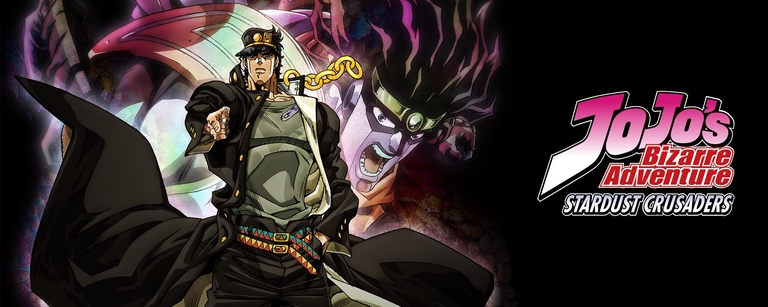
JoJo's Bizarre Adventure: Stardust Crusaders anime analysis usually misses the point by treating this 48-episode road trip like a traditional shonen arc. People keep calling it filler-heavy or poorly paced without understanding that the messiness is the whole point. This isn't a tight military operation, it's a chaotic globetrotting scramble to stop a vampire from killing a mom while destroying seventeen vehicles along the way.
The series ditched Hamon for Stands and literally invented modern battle anime mechanics. Yeah, it's uneven. Yeah, some episodes drag. But this is the part that defined what JoJo actually is for the next thirty years of the franchise. You can't understand Diamond is Unbreakable or Golden Wind without getting why Part Three matters, warts and all. The influence is everywhere from Persona games to Hunter x Hunter's Nen system.
How Stands Killed the Power Level System
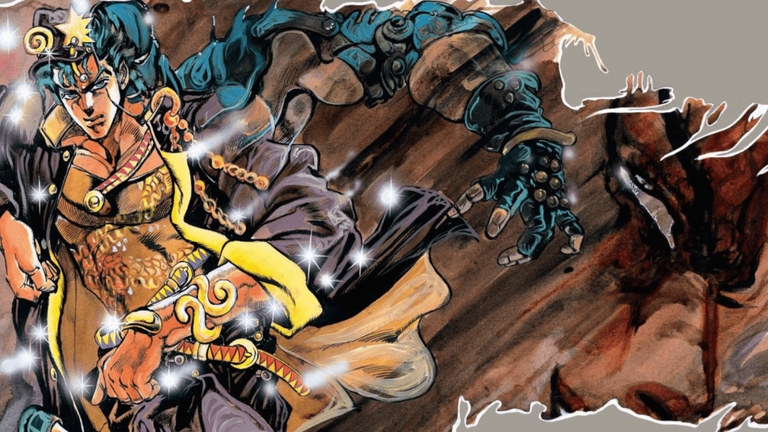
Araki threw out the power level nonsense from Battle Tendency and replaced it with psychic projections that range from punch ghosts to actual gods. This changed everything about how shonen fights work. Stands aren't about who's stronger, they're about who figures out the rules first. Star Platinum hits hard, yeah, but the good fights are the ones where Jotaro can't punch his way out and has to think.
Take the D'Arby episodes. No punching at all, just gambling and psychological warfare. That's the genius of the Stand system. It lets Araki write battles about video games, stolen wallets, or a bird flying too fast instead of just "my number is bigger than yours." The OVA animation analysis shows how even the older adaptation understood that Stands need fluid, weird animation to work rather than static power-up sequences.
The rules are simple enough. Stands reflect damage back to users. They're invisible to normals. Some have range, some don't. But within those limits, Araki goes absolutely crazy with concepts. You've got a Stand that's just a boat. You've got one that's a gun that shoots through shadows. You've got a dog with sand powers and a Stand named after a tarot card. The variety means every fight needs new strategies, not just bigger explosions or louder screaming.
The shift from Hamon to Stands wasn't just cosmetic. Hamon required breathing and physical training, which limited who could use it and how fights worked. Stands manifest from mental energy and fighting spirit, which means anyone can get one if their life force is weird enough. This opened the door for crippled assassins, evil babies, and sentient orangutans to be legitimate threats. It broke the ceiling on what kinds of characters could participate in combat.
The 48-Episode Road Trip Problem
Let's address the elephant in the room. This show is long. Like, unnecessarily long sometimes. The group travels from Japan to Egypt over the course of 48 episodes and they destroy vehicles constantly. Some fans argue that you could cut ten episodes and lose nothing but filler.
But here's the thing. That slowness builds dread in a way that fast-paced anime can't replicate. Dio isn't rushing. He's sitting in his mansion drinking wine while sending weirdos with knives to attack the heroes. The pacing mirrors the actual journey. You're stuck in this car, or this plane, or this submarine, with these people who barely know each other, and danger keeps finding you in the middle of nowhere with no backup.
The first half moves through Asia and the second half hits Egypt, and you feel the shift immediately. The enemies get stranger and more powerful. The environment gets harsher. By the time they reach Cairo, you've spent so much time with these characters that the finale hits different. This review gets it right about how the scale feels personal until it suddenly doesn't, and that's intentional design rather than poor planning.
The vehicle destruction running gag serves a purpose too. Every time they get a new car or plane or camel, you know it's going to explode within three episodes. That predictability becomes comforting. It grounds the absurdity in a weird way. You start wondering how Joseph is going to explain this to his insurance company rather than worrying about the Stand user of the week.
Why Jotaro Works Despite Being Boring
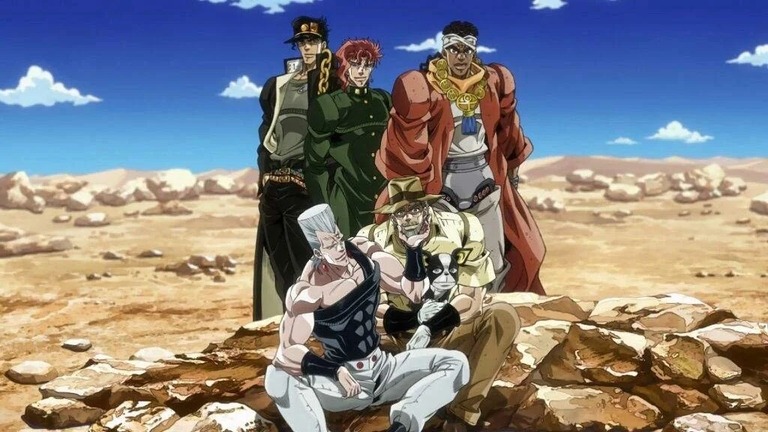
Jotaro Kujo is a brick wall of a protagonist. He doesn't talk much. He frowns constantly. His catchphrase is basically "good grief" and he wears a hat that blends into his hair. On paper, he shouldn't work as a lead character. But he does, because everyone else around him won't shut up and he provides the anchor they revolve around.
Joseph is screaming "Oh my God" every five minutes. Polnareff is making toilet jokes and getting into trouble. Kakyoin is explaining strategy in long monologues. Avdol is being dignified and correct about everything. Jotaro just stands there, points at people, and lets his punch ghost solve problems. He's the straight man in a circus of weirdos and the contrast makes both sides work better.
His Stand, Star Platinum, starts as just "punches really fast and hard" but slowly reveals tricks like star finger or the time stop that come out of nowhere but make sense in retrospect. The anime takes its time showing you that Jotaro isn't just tough, he's calculating. He waits. He watches. Then he breaks bones. It's satisfying specifically because he doesn't waste words warning people first.
The delinquent aesthetic is important too. He looks like a bully. He smokes (though they censor it weirdly in the anime). He gets into fights at school. But underneath he's fiercely protective of his mother and loyal to his grandfather. That contradiction, the scary exterior hiding the heroic interior, became the template for countless shonen protagonists after him.
Joseph Joestar Carries the Emotional Weight
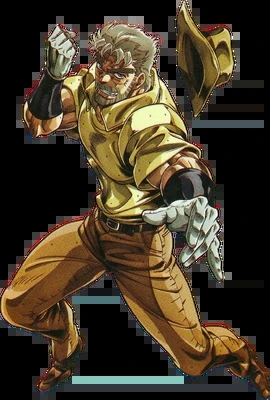
Old Joseph is the secret hero of this part. Yeah, Jotaro gets the final hit on Dio, but Joseph is the one who connects everything back to Part One and Two. He watched his grandfather Jonathan die. He fought the Pillar Men in his youth. Now he's gotta do it again with a Stand that basically just lets him swing on vines and take spirit photos while his body is falling apart.
Hermit Purple is a garbage Stand for direct fighting. Everyone knows it including Joseph. He can't win confrontations anymore, so he has to be clever. The Bastet fight where he fights the magnet lady by crossing the street wrong on purpose and letting traffic almost kill him? That's peak Joseph. He uses his brain because his body can't keep up with these younger Stand users.
And he carries the tragedy. When he talks about Jonathan, or when he realizes what Dio did to his body by stealing it, you feel the history weighing on him. This analysis nails how Joseph bridges the old Hamon system with the new Stand era. He's the legacy character who won't quit even when he should probably be retired and drinking tea somewhere safe.
His relationship with Jotaro is the heart of the show. The grandfather who won't stop meddling and the grandson who acts like he hates it but secretly respects the old man's experience. When Joseph "dies" in the final battle and Jotaro has to restart his heart with blood, that's the emotional climax of the series, not just another fight won.
The Villain-of-the-Week Format Actually Works
People complain about the monster-of-the-week structure like it's automatically bad writing. They want one long arc or a connected conspiracy. But Stardust Crusaders works because Dio's assassins are all weird freelancers with no connection to each other. You get a new puzzle every few episodes and the variety keeps you from getting bored.
Some of them are forgettable, sure. The guy with the tiny Stand that shrinks people is whatever. But you also get stuff like the D'Arby brothers, which are two of the best episodes in anime history. You get the ape with the ship Stand that reads porn magazines. You get the guy who hides in mirrors. The variety keeps you guessing because there's no pattern to exploit.
The Tarot card naming helps too. It gives you a vague theme for each Stand without locking Araki into anything specific. The Hanged Man fight is still one of the best animated sequences in the series because it's pure tactical problem-solving. Polnareff has to figure out how to hit light itself. That's cool. That's memorable in a way that "villain has bigger power level" isn't.
This format also lets side characters shine. Without the episodic structure, Polnareff never gets his revenge arc against J. Geil. Kakyoin never gets to show off his intelligence by figuring out Death Thirteen. Avdol never gets to be cool with Magician's Red. The road trip structure forces the group to encounter different challenges that require different solutions from different people.
DIO's Return and the Final Battle
Dio sitting in his mansion for forty episodes builds him up as this impossible obstacle. When he finally moves, it's terrifying because you've seen what his influence does to people secondhand. You've seen the flesh buds controlling Kakyoin and Polnareff, forcing them to be enemies. You've seen the desperation in Enya the Hag who worships him. By the time Jotaro faces him in Cairo, you understand exactly what beating Dio means for the world.
The World isn't just strong, it stops time. That's such a ridiculous power spike that Jotaro has to literally rewrite the rules to win. The road trip structure pays off here because the slow journey makes the final confrontation feel earned rather than rushed. You feel the weight of every mile traveled when they finally kick down his door.
The final fight is messy and weird and involves a lot of road rollers and steamrollers. Some people prefer the OVA version for animation quality, and yeah, the OVA has better shading in certain shots and more fluid movement in specific sequences. But the David Production anime captures the colors and the poses better. It captures the manga spirit even when the frames get wobbly, and it doesn't cut the character moments that make the victory matter.
Dio's character work in this part is subtle. He isn't just evil for evil's sake. He's arrogant because he fused with Jonathan's body and absorbed some of his nobility, which makes him conflicted about the Joestars. He respects Jonathan but hates that he respects him. That complexity makes him more than just a vampire monster to punch.
Why the Side Characters Matter More Than You Think
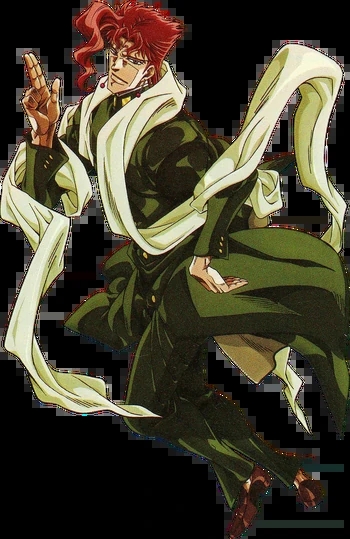
Kakyoin gets memed for being the "milf hunter" but his arc is genuinely sad and well-written. He's a lonely kid who got possessed by Dio, then finds real friends for the first time in his life, then dies protecting them. He dies alone, knowing he won't get to go home, but he doesn't regret it. That's heavy stuff for a character some people dismiss as just the green guy.
Polnareff starts as pure comic relief but carries the revenge plot for his sister that gives the Egypt arc its emotional center. His fight against Vanilla Ice is brutal and personal in a way that Jotaro's fights aren't. Avdol supposedly dies twice and still feels underdeveloped, which is the part's biggest flaw honestly, but his presence keeps the group grounded when Joseph gets too crazy.
And then there's Iggy. Everyone hates Iggy when he shows up because he's a farting dog who acts like a jerk and only cares about coffee gum. But his fight against Pet Shop the falcon is legendary, and his sacrifice against Vanilla Ice hits hard specifically because he didn't start as a hero. He was selfish, then he chose to be brave. That's solid writing for a dog character in a battle anime.
The pacing issues everyone complains about actually serve these characters. You need those slow episodes where they're just eating bad hotel food or getting lost in the desert or fighting over bathroom usage. That's when the relationships form. Without that downtime, Kakyoin's death doesn't hurt. Without Polnareff's goofiness, his final moments with his sister's killer don't land with impact.
The Music and Openings Define the Vibe
"Stand Proud" is a banger. Everyone knows it. But "End of the World" might be better because it includes all the previous JoJos and builds the hype for the final confrontation. The music in this part knows exactly what it is. It's dramatic, it's synth-heavy, and it leans into the absurdity rather than fighting it.
The sound design for the Stands matters too. Star Platinum has this specific grunt noise that became iconic. The World has that time-stop sound effect that still gives chills to fans. When you hear those sound cues, you know stuff is about to get broken and someone is about to get hospitalized.
The ending theme "Last Train Home" is perfect for the road trip vibe. It's melancholy but hopeful. It plays over scenes of the characters traveling and it hits different after you know who doesn't make it home. The music direction understands that this is a tragedy wrapped in a comedy wrapped in a fighting tournament.
Is It Worth Watching Today
Yeah, but go in with the right mindset. This isn't a tight 12-episode seasonal anime with perfect pacing. This is a commitment of nearly fifty episodes. You have to accept that some Stand users are just obstacles with no character depth beyond "Dio sent me." You have to accept that the animation gets wobbly sometimes because it's 48 episodes of constant action and David Production did their best with the budget.
But if you want to see where modern battle anime got its DNA, this is ground zero. No Stands means no Nen from Hunter x Hunter. No Persona games look the same after this. The entire concept of "punch ghosts with specific rules" started here and changed everything about how supernatural fights work in Japanese media.
JoJo's Bizarre Adventure: Stardust Crusaders anime analysis often focuses too much on the flaws and misses the innovation. The filler isn't filler, it's texture that builds character relationships. The pacing isn't broken, it's patient and lets dread accumulate. And Jotaro might be quiet, but he's talking loud enough for the entire genre to hear. Watch it, love it, and don't skip the D'Arby episodes because those are perfect television.