
The Wonder Egg Priority anime review you've been looking for isn't going to coddle you. This show starts like a masterpiece and ends like a middle schooler ran out of time on a creative writing assignment. CloverWorks threw everything they had at the first nine episodes, creating something that looked like it would define anime for the next decade, then they tripped over their own shoelaces and faceplanted into one of the most insulting finales in recent memory. If you're here wondering whether to waste your time on this pretty disaster, I'll give you the straight truth about what works, what breaks, and why people are still fighting about it years later.
The Visuals That Lied to You
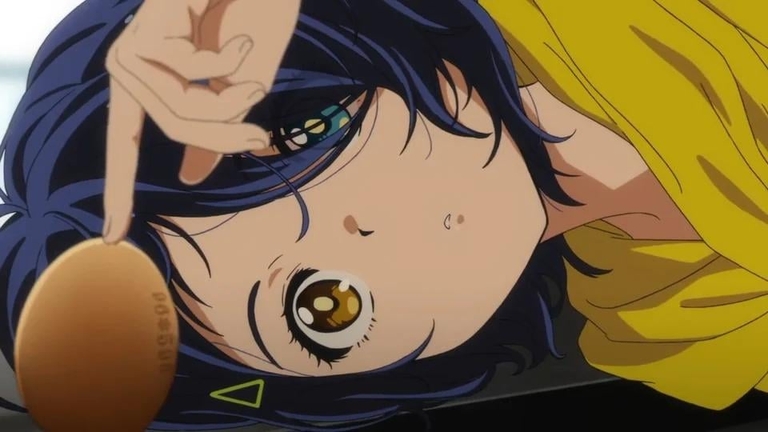
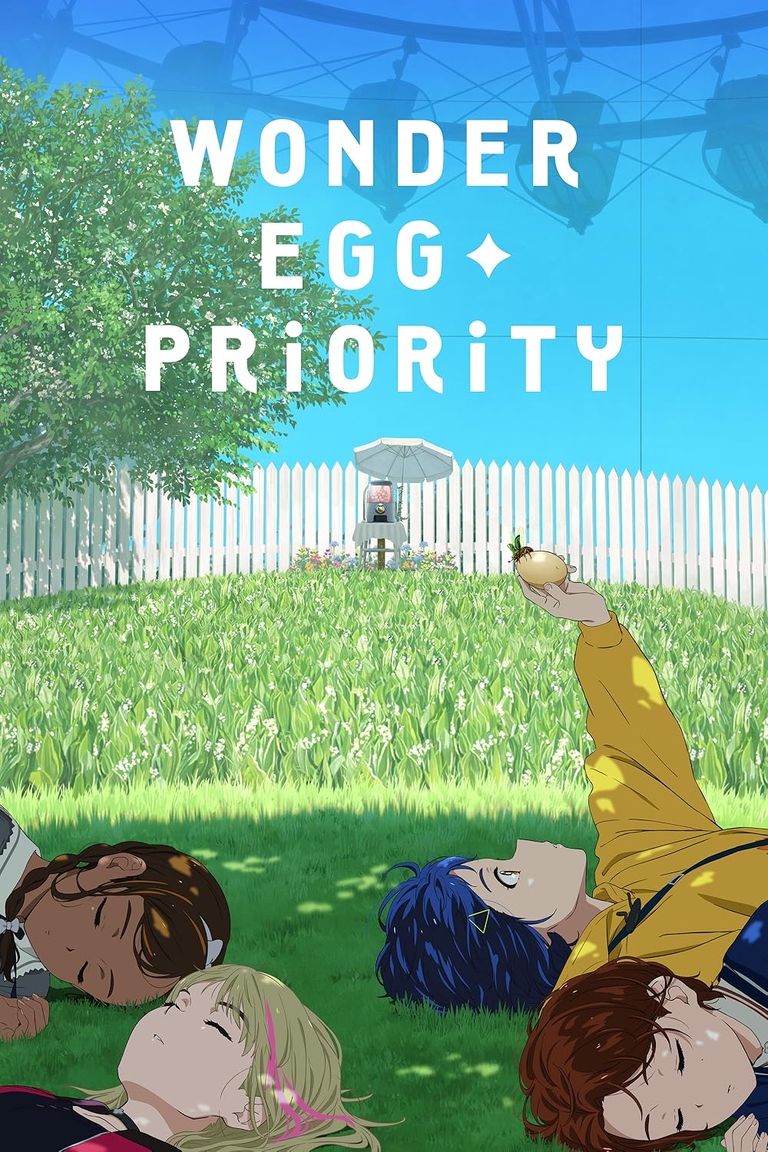
Let's get one thing straight. This anime looks incredible. Like, unfairly good. The kind of animation that makes you angry other shows don't try this hard. Every frame of Wonder Egg Priority oozes with detail, from the way Ai Ohto's hair moves in the wind to the surreal dream logic of the Egg World where she fights monsters born from dead girls' trauma. The color palette shifts between hyper-realistic Tokyo streets and these fever-dream sequences that look like someone fed Studio Ghibli and David Lynch into a blender. It's gorgeous stuff.
But here's the thing. Pretty animation is a trap. It tricks you into thinking the story underneath has substance. The show uses these beautiful visuals to distract you from the fact that the writers were making up the plot as they went along. You get so hypnotized by the fluid fight scenes and the way light hits water that you don't notice the plot holes forming right in front of your eyes. It's like putting chrome rims on a car with no engine.
The Soundtrack Hits Different
The music in this show is unfairly good. Anemoneria, which is just the four voice actors singing together, creates this haunting sound that sticks in your head for weeks. The opening song "Sudachi no Uta" plays over these shots of real Tokyo locations mixed with the animated characters, and it creates this weird liminal space feeling that the show never quite manages to maintain in the actual plot. The ending song "Life is Cider" is bubbly and sad at the same time, which fits the tone they were going for before they lost the plot completely. The background music during the fight scenes uses these distorted piano sounds and breathing noises that make your skin crawl. It's effective stuff that builds tension the writing can't sustain.
The Premise That Hooked Everyone
Ai Ohto is a hikikomori with heterochromia, which means her eyes are different colors, and she's been hiding in her room since her only friend Koito killed herself. One night she buys a Wonder Egg from a vending machine run by two creepy mannequin guys named Acca and Ura-Acca. When she cracks the egg open in a dream world, out pops a girl who committed suicide, and Ai has to protect her from monsters called Seeno Evils and Wonder Killers that represent whatever trauma drove the girl to die. If she saves enough of these dead girls, supposedly she can bring Koito back to life.
It's a solid hook. Dark, moody, dealing with real issues like bullying and assault and the kind of social pressure that makes Japanese teenagers kill themselves at alarming rates. The show introduces three other girls doing the same thing. Rika is a former junior idol who drove a fan to suicide by being cruel to her. Momoe is a tall girl who looks like a pretty boy and struggles with her gender identity after a female friend confessed feelings and then died. Neiru is this weird corporate genius who got stabbed by her sister before the sister jumped off a roof.
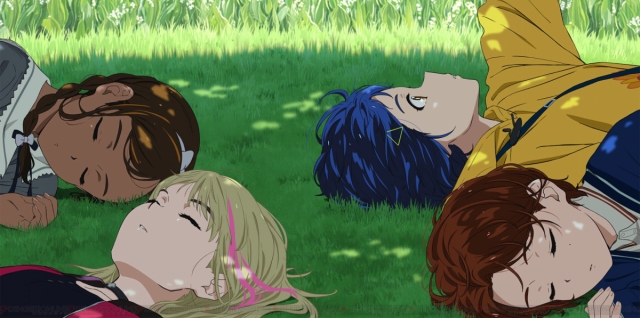
Each episode follows one of them fighting through these personalized nightmares, and for a while it feels like the show really cares about these dead girls. It doesn't shy away from showing the ugly parts of being a teenage girl in Japan. The sexual harassment, the bullying, the way adults fail kids constantly. It hits hard. Or at least it seems to.
What the Show Gets Right About Being a Girl
Before it falls apart, Wonder Egg Priority understands something a lot of anime misses. It gets that being a fourteen-year-old girl is terrifying. The world is constantly trying to crush you into a shape that fits what men want, and if you resist, they find ways to punish you. The dead girls in the eggs all died from different flavors of this poison. One girl dies because her gymnastics coach molested her and nobody believed her. Another dies because her boyfriend shared private photos of her online and her classmates bullied her until she broke. Another dies because she was trans and couldn't handle the pressure anymore.
The show doesn't treat these like cheap plot points to make you sad. It sits with them. It shows the aftermath, the way the living girls carry guilt that isn't theirs to carry, the way society looks away from dead girls because it's easier than fixing the problems that killed them. For a while it feels like the show is genuinely angry about this, like it wants to yell at the adults who failed these kids. Then it chickens out and blames a robot.
Episode Four Is Perfect
Episode four, which focuses on Rika and this dead girl who was an artist, is the high point of the series. The Wonder Killer in this episode is this huge distorted figure made of teeth and eyes that represents the girl's abusive mother who forced her to be perfect. The fight scene happens in this museum of broken statues and the animation is so fluid it looks like a movie. Rika has to confront the fact that she was mean to this girl when she was alive, that she dismissed her art and her pain because Rika was jealous of her talent.
It's brutal and honest and doesn't pull punches. The girl dies anyway, because they all die, but Rika learns something about herself. That's what the show should have been. Girls trying to save other girls and learning that they can't undo the past but they can change themselves. Instead it got distracted by AI conspiracies and forgot that the emotional core was supposed to be about human connection.
Where the Writing Fell Apart
Around episode nine everything starts smelling funny. The mysteries that felt intriguing suddenly feel like the writers forgot to write answers for them. Then episode ten hits and they introduce Frill, this AI character created by Acca and Ura-Acca back when they were human scientists, and suddenly this grounded psychological drama about trauma turns into a sci-fi mess about artificial intelligence and parallel universes.
The show tries to frame female suicide as this irrational thing caused by female emotions being too big and too scary. Acca literally says that girls kill themselves on impulse because they're too emotional. This is after we watched eight episodes of girls killing themselves because of systemic abuse and rape and bullying. The show contradicts its own evidence. It builds a case against society then blames the victims for being too sensitive.
And the multiverse stuff they throw in at the last second, where the eggs are really parallel universes and the girls are saving alternate versions of the dead girls, it just makes everything meaningless. If they're not saving the real girls who died, if they're just playing a video game with parallel universe copies, then why do we care? The stakes evaporate.
The Frill Problem
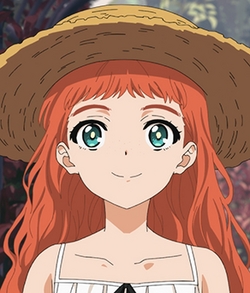
Frill is the villain they introduce in the last three episodes, and she breaks the show completely. She's an AI created by Acca and Ura-Acca when they were young scientists trying to create a daughter. She lives in a tank and wears a sunhat and apparently sends psychic emails to teenage girls convincing them to kill themselves because she's jealous that they're older than her or something. It's gibberish.
Then there's the special episode that aired months later because they couldn't finish the finale on time. People on Reddit still argue about whether it counts as an ending or just extra content. It doesn't matter because it's awful. They reveal that Koito, Ai's dead best friend who was the entire motivation for the whole series, was really a manipulative liar who faked being assaulted by a teacher. The show frames her as a villain. It spits in the face of every viewer who related to Ai's grief. After building up this beautiful friendship and this tragic loss, they decide nah, she was really terrible and her suicide was her own fault for being a bad person.
The Queerbaiting Accusations
A lot of fans were hoping this would be a yuri show, or at least a show that took queer relationships seriously. There's definitely subtext between the girls, and Momoe's episodes deal with sapphic themes directly. But the show chickens out. It introduces these intense emotional bonds between the girls but frames them as friendship, while simultaneously making the villain a girl who is evil because she loves her father figures too much or something.
The special episode especially screws this up by making Koito's feelings for Ai seem manipulative and fake. It plays into the "predatory lesbian" trope in a way that feels gross and regressive. If you're watching this for queer representation, you're going to be disappointed. It uses gay themes for aesthetic and shock value but doesn't commit to them as real, valid relationships.
The Characters Deserved Better
Ai starts off as a genuinely compelling protagonist. She's quiet but not passive, hurt but not broken, and her crush on her teacher Mr. Sawaki feels like real confused teenage emotion rather than anime trope nonsense. Rika is abrasive and mean but in a way that makes sense for a fourteen-year-old who's been through hell in the entertainment industry. Momoe's arc about gender and identity is handled with surprising care for a while. Neiru is... well, Neiru is a mess from the start but at least she's interesting.
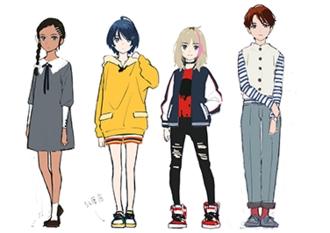
These girls carry the show. Their interactions feel real, like actual teenagers talking over each other and making bad decisions and supporting each other in clumsy ways. The scene where they all sleep over at Ai's house and just exist together without fighting monsters is probably the best episode because it lets them be people instead of plot devices.
But the writers didn't know what to do with them. Rika's backstory gets revealed in a way that feels like shock value rather than character development. Momoe's story just sort of stops. And Neiru turns out to be a robot or an AI or maybe just weird, the show can't decide, and it adds absolutely nothing to her character. It just makes her special in a way that doesn't resonate with the themes of the show at all.
Momoe's Story Deserved an Ending
Momoe Sawaki is the tall girl who looks like a handsome boy, and her episodes are some of the best because they handle gender and sexuality with a gentleness the rest of the show lacks. She attracts attention from girls who like her because she looks like a boy, and from boys who can't tell she's a girl, and she navigates this confusion with a kind of grace that feels real. Her dead friend Haruka confessed her love to Momoe, got rejected because Momoe doesn't see herself that way, and then killed herself.
The show explores Momoe's guilt over this, the way she wonders if she could have saved Haruka by being different, by being what Haruka needed. It's poignant stuff about identity and the pressure to be someone else for other people. But then Momoe just... stops having episodes. Her arc never resolves. She doesn't get to save Haruka or move on or anything. She's just there in the background by the end, wearing the same confused expression as the audience.
Rika gets a bit more closure but it's rushed and weird. Her fan Chiemi killed herself after Rika said cruel things to her, and Rika's arc is about learning that her meanness was a defense mechanism because she hated herself. That's fine, but then they introduce her estranged father who she's supposedly searching for, and that's just a dangling thread that goes nowhere. Neiru's sister stabbed her and then jumped, and Neiru runs a company at age fourteen, which is already ridiculous, but then they reveal she's really an android or a clone or maybe just mentally ill, the show can't decide, and it ruins her character completely.
Fan Theories That Were Better
While the show was airing, the fan communities were coming up with better explanations for the mystery than what we got. People thought Acca and Ura-Acca were really the girls from the future, trying to save themselves. People thought the Egg World was a purgatory created by the collective trauma of all the dead girls. People thought Koito was really one of the egg girls and the real world was the dream. These theories all had more emotional weight and thematic resonance than "evil AI did it because she's jealous."
The show invites these theories by being vague and mysterious in the early episodes. It drops clues that feel like they lead somewhere. The heterochromia, the specific traumas, the way the Wonder Killers look like distorted versions of abusers. It all feels like it's building to a point about cycles of abuse or the way trauma replicates itself. But no, it's just a sci-fi villain with unclear motivations and a grudge against puberty.
The Production Disaster Nobody Talks About
Everyone likes to blame the writer Shinji Nojima for improvising the plot, and yeah, that's part of it. Apparently he was writing episodes while they were already animating them, which is a disaster waiting to happen. But the real villain here is the schedule. CloverWorks bit off more than they could chew with this production. They had to air a recap episode in the middle of a twelve episode series because they were so far behind. That's not a creative choice, that's a studio in full panic mode.
The young animators they hired did incredible work, but they burned them out completely. You can see the quality drop in the last few episodes. The MAL reviews from people who watched it weekly tell the story of a fandom slowly realizing they were being strung along. The special episode that came three months later wasn't some bonus gift to fans, it was damage control because they couldn't meet the deadline for the real finale.
This matters because you can feel the rush in the storytelling. Threads get dropped. The rules of the Egg World change depending on what the plot needs that week. Characters make decisions that don't fit who they are because the script needs them to move to the next scene. It's frustrating because the first half moves with such confidence and the second half feels like it's running from a deadline.
The Recap Episode Red Flag
When a twelve-episode anime has to air a recap episode as episode eight, you know the production is on fire. They called it a "special episode" but everyone knew what it was. They were out of time and money and needed to buy a week. The fact that they then still couldn't finish the actual finale and had to delay it for three months should tell you everything about how mismanaged this production was.
Interviews with staff later revealed that the writer was making up the story episode by episode. He didn't have an ending planned when they started airing. That's not how you write a mystery box show. You can't just throw weird imagery at the wall and hope you figure out what it means later. The director Shin Wakabayashi had creative disagreements with Nojima throughout, and you can see the tug-of-war in the final product. Some episodes feel like psychological horror, others feel like bad sci-fi, and they don't mesh.
The Ending That Insulted Its Audience
So here's what happens in the end, and why it makes people so angry. After nine episodes of building up this emotional connection between Ai and the ghost of Koito, after making us care about all these dead girls and their tragedies, the show reveals that the entire Egg system is just an experiment by two scientists who made an AI daughter who got jealous and started making girls kill themselves. That's it. That's the big mystery. Not a metaphor for mental health or a commentary on society, just a robot girl being evil because she can.
Then the special episode adds insult to injury by retconning Koito into a false accuser who got her teacher fired with lies and then killed herself when she got caught. This isn't just bad writing, it's actively harmful. It plays into disgusting stereotypes about women lying about assault and it treats suicide as a punishment for being a bad person rather than a tragedy. The show spends its entire runtime telling us that these girls died because of societal pressures and abuse, then turns around and says really some of them were just terrible people who deserved it.
Ai forgives Koito or something, it's not really clear, and then the show ends without really saving anyone. The dead girls are still dead. The living girls are still traumatized. Nothing got resolved. They just stopped telling the story. It's the anime equivalent of a shrug emoji.
Is It Worth Watching Anyway
Here's the annoying part. I still think you should watch it. Just stop at episode nine. Pretend it ends there, with the girls becoming friends and the mystery still open. Because those first nine episodes are genuinely some of the best anime from that year. The animation alone is worth the price of admission, and the characters are so good that even though they don't get proper endings, spending time with them is still rewarding.
If you watch the whole thing you're going to be mad. There's no way around it. The ending ruins the rewatch value because you know all the mystery boxes are empty. But if you go in knowing it falls apart, and you treat it as a fascinating failure rather than a complete story, there's still value there. It's a case study in how great animation and a strong premise can't save a production that was doomed from the start.
Wonder Egg Priority is a beautiful disappointment. It could have been a masterpiece about girlhood and trauma and friendship. Instead it's a cautionary tale about what happens when you start a story without knowing how it ends. Watch it for the pretty colors and the good cries, but don't expect it to respect your intelligence by the time the credits roll on that disastrous special episode.